



Those You Don’t Know About History Of Lapel Pins

Ethan Carter
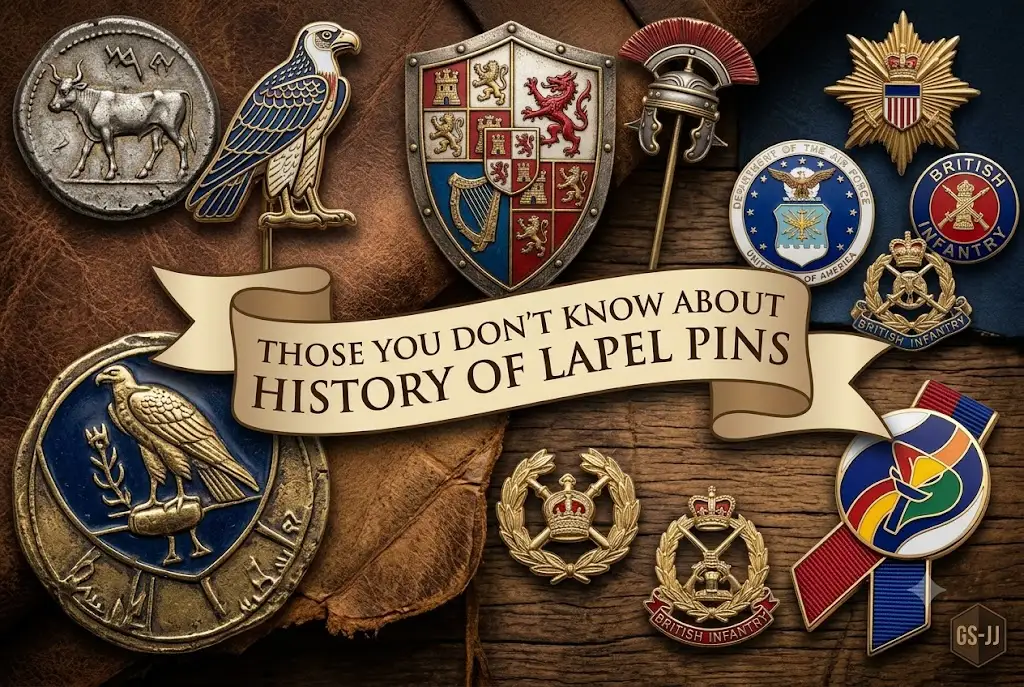
Lapel pins, in short, is a sign used to indicate identity and occupation. It is a testimony to historical events and a mark of an era. Today, although the authority of badges is still applied to various government departments and corporate associations, the trend of some decorative badges is gradually emerging.
The origin of lapel pins has a long history and is even older than the country. No one is entirely sure where the first lapel pins came from or why it was made, but we do know about the development of the artistic process. It is said that it first originated from the totem symbol of the primitive clan tribe.
A lapel pin, a story; a lapel pins, a history
Lapel pins were used on coins:
The lapel pins evolved from totems are ubiquitous throughout the world. For example, the earliest countries in the world, Upper Egypt and Lower Egypt, used vulture and cobra as totems. Among the remains of these two civilizations, You can also find many artifacts and drawings with these two logos. It’s true that the Egyptians didn’t actually make lapel pins, However, the Egyptians did begin the process of inlay and enameling that gives the lapel pin its unique look.
The famous commercial people of the ancient Mediterranean – Phoenicians’ totems are cows, and the Cow pattern appears not only in the Phoenician’s artifacts and drawings, but also in the coins they cast. The habit of using the lapel pins of a founder on a coin was created and it’s been passed on to the present. Use representative animal, duty, a symbol to mark country,Such as “Maple Leaf” on Canadian coins, “Chrysanthemum” on Japanese coins, etc.
The first “national emblem” in Chinese history is the “Dragon ” logo of the Qing Dynasty. It is both a symbol of the emblem of the Qing royal family and a national symbol of the Qing Dynasty.
What is more special is the European Union Coin. Since the Euro represents Europe as a whole, it also represents different countries. So from the point of view of the lapel pins, the Euro is an authentic “two-faced faction”: The front of the coin with a uniform EU badge design, the back of the coin with each country’s own design lapel pins and logos.
The army started using custom lapel pins:
In the West, it is generally believed that this kind of lapel pins used to Identification was used explicitly from the Legion of the Roman era. At that time, the Roman Empire established a large-scale army that was completely supplied by the state. In order for them to recognize the enemy and allies on the battlefield, each legion has its own badge. Into the Middle Ages, aristocrats and knights of various levels designed complex badges for their own identity on their own shields. The composition of such badges generally has a specific program, including the symbol, the owner of the badge of special glory and history, mascots, auspicious colors, and maxims. There are also some old city and school badges, and the structure is very complicated. For example, at the historic Oxford University, the school badge is not only designed in a British style, but also has a deep meaning.
Lapel pins have become a national culture:
 In modern times, the lapel pins first became the national symbol, Such as:Royal coat of arms of the United Kingdom; Seal of the President of the United States; After the army became nationalized, it soon became a symbol of the army. In some countries in Europe and America, different army has different Military Pins. Such as US Air Force Lapel Pins, US Army Lapel Pins, US Marine Corps Lapel Pins, US Navy Lapel Pins, British Army Infantry Regimental Pins, and more….
Lapel pin manufacturing processes today
The Enamel pins have exploded into the fashion and the commercialization of lapel pins has also become very common. Our well-known ribbon lapel pins are a good example.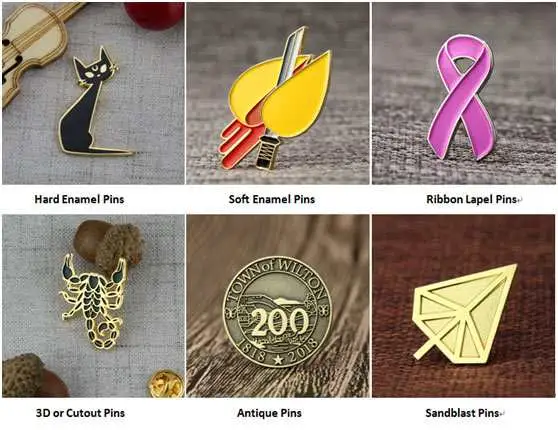
Using a combination of traditional and modern techniques, These tiny metal pins are highly customizable and can feature any design. These include:
Hard enamel pins
soft enamel pins
offset-printed pins
Sandblast Pins
3D or Cutout Pins
Antique Pins
We’ve mastered a variety of these techniques so that we can make lapel pins that meet the highest aesthetic demands.
To order your own lapel pins, Contact GS-JJ with your request for a no-obligation, by emailing Info@GS-JJ.com, or by calling 1-888-864-4755 toll-free. And you can also see our Custom pins system to get your quote.
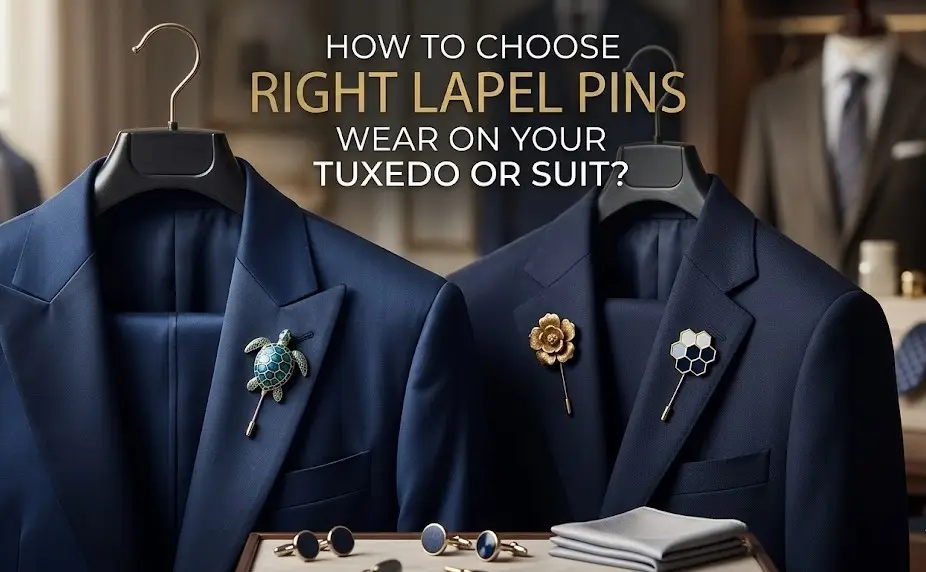
How To Choose Right Lapel Pins Wear On Your Tuxedo Or Suit?
Lapel pins, in short, are symbols worn on people’s garments to indicate identity, occupation, and honor. Nowadays, lapel pins are not only used to indicate the affiliation of the wearer but also able to be something that is ornamental.
Before contemporary lapel pins became popular, as the embryonic form of lapel pins, Boutonnières (the floscular decorations) were first put on the wearer’s lapel of their tuxedo.
Following the bespoke fashion, the traditional accessory – lapel pins have become more and more ubiquitous. If you choose the right lapel pins, they can make an already dapper tuxedo or suit look even more polished and elegant.

How to wear a lapel pin correctly?
A lapel pin is a tiny accent piece that can complete any attire. Whether you are in a suit, shirt, or jacket, if styled correctly, it can complete a full outfit.
Most individuals opt for lapel pins for their visual appeal as well as for their ability to declare a certain attitude. Whether it is a symbol for status or merely a visual selection, both make a person distinctive as a wearer while making him or her feel more assured.
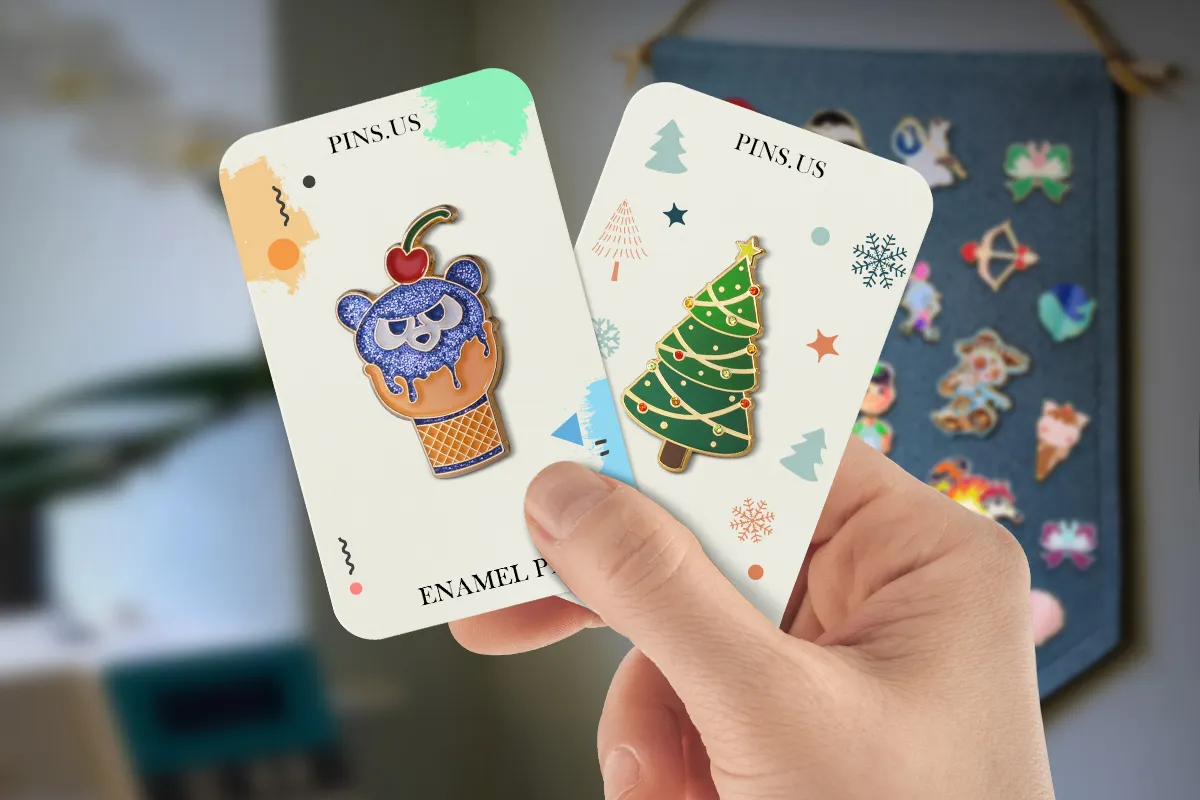
15 Creative Ways to Use Enamel Pins
What began as whimsical decorative pins has transformed into objects for self-expression, branding, and creative illustration. With their small size, variety of styles, and durability, they are utilized in fashion, marketing, and daily life in abundance.
Enamel pins are used for more than collecting - they can enhance your personal style, communicate identity, and be used as promotional pins! So here it is: 15 creative and practical uses for enamel pins to inspire you to get the most out of these small and utilitarian little things