


How to Choose the Right Backing for Your Custom Patches

Ethan Carter
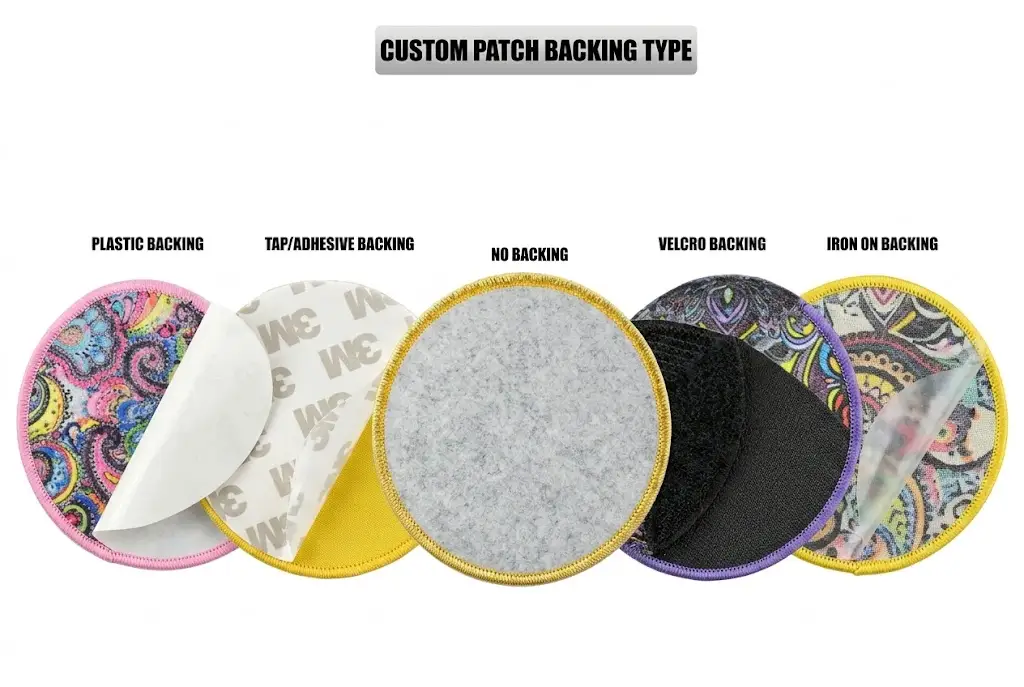
Iron-On, Velcro, Adhesive, oh my! There are too many backing options when you are customizing your custom patches. We want to make sure you can fully understand each of the backing options we offer. Each backing represents a different purpose, and you will need to determine if you want a permanent backing or a temporary backing. Here at GS-JJ, we will tell you how to choose the right backing. You can also click here to see more about custom patches and get your quote.
Iron on backing
Iron-on backing for patches –It’s a fast and easy way to attach. Just put the patch on the clothing and cover it with a thin wet towel to prevent scalding. Then take the iron on the patch for 15-30 seconds until it is fully seated. Iron-on backing provides an easy way to attach patches to almost any type of material. A standard home iron with a temperature of 302oF can be used to connect iron blocks for 5-8 seconds. When you use ironing support on a patch, you only receive temporary security because it does not last long, and we do not recommend using a hot press to apply the hot stamp. Iron On backings are perfect for ceremonial and casual wear, but never use it for any type of practice or training. As you know, Iron on backings are mainly used to safely place the patch during the sewing process, so iron on backing is not the best choice if you want to use it for active lifestyle purposes.
Advantages
﹒More Durable
﹒Fast operation, suitable for mass production.
Disadvantage:
﹒Need to use tools – an ironing machine
Velcro backing
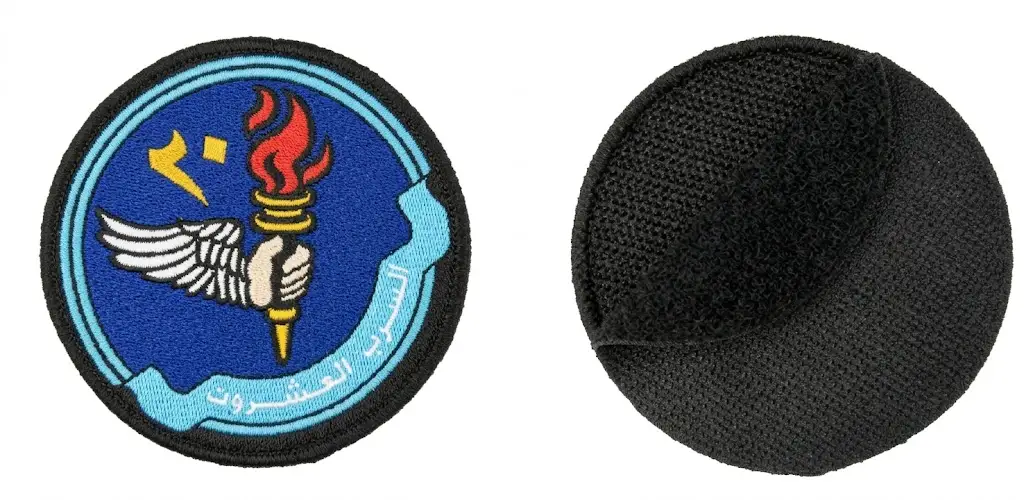
Velcro Backing for patches –Our Velcro backing with high-quality hook & loop design. Velcro backings come with a hook-and-sew seam to your patch and a soft side ready to sew to your clothes. Size up to 4.5″. If you need to change patches frequently or make other minor adjustments (such as military and police uniforms), hooks are the best option. But if there are no connectors on the clothes, we can use double-sided Velcro in this process.
Advantages
﹒Paste and remove at any time
Disadvantage:
﹒Compared with the iron-on and sew-on backing, Velcro patches are attached a bit loosely
No backing
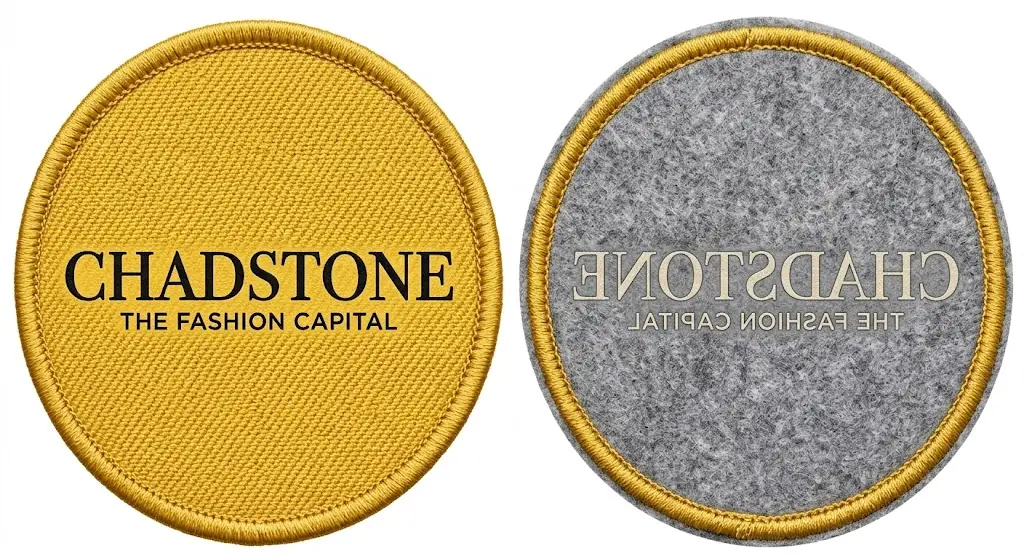
No Backing for patches –Patches without backings do not have the same thickness or stiffness as patches with backings; therefore, the best time to order No Backing patches is to sew them to clothing or other types of fabrics. The back of your patch will be exposed, and no backing will be applied during splicing. Patches with no backing are very flexible and lightweight.
Advantages:
﹒flexible
﹒lightweight.
Disadvantages:
﹒not have the same thickness or stiffness as patches with backings
Plastic backing
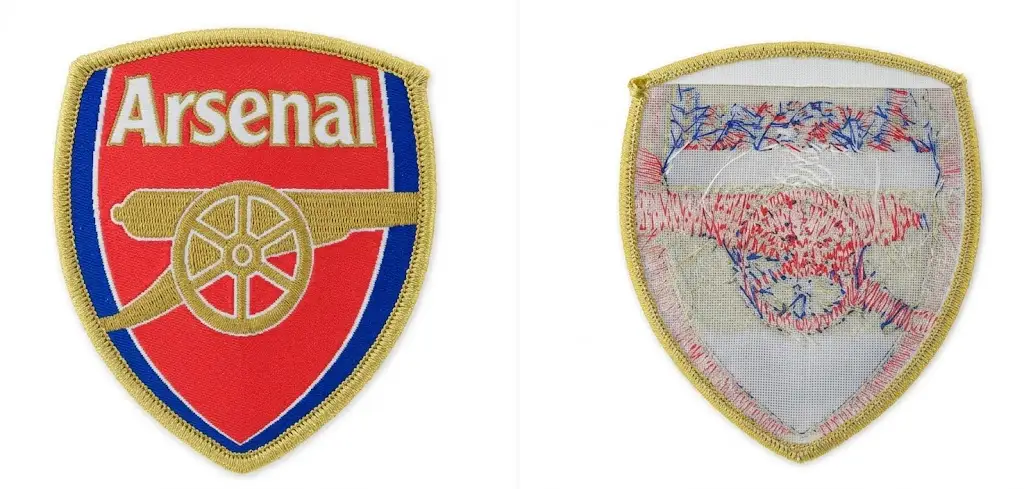
Plastic Backing for patches–A rigid plastic backing is added to your patches. This provides additional support for your patch, which means that even after continuous use, it will maintain its shape. Plastic backing adds stiffness and support to the patch, allowing it to remain flat over time.
Advantages:
﹒Extra Support to Patch
﹒Stays flat over time
Disadvantages:
Needs hand sewing or sewing on clothes, bags, or hats
Tap/adhesive backing
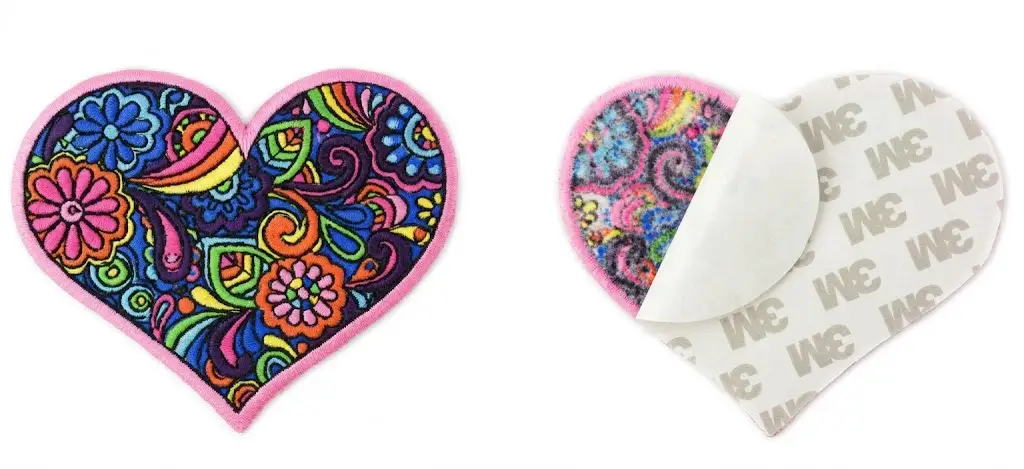
Tap/Adhesive Backing for patches–Easily removable, versatile, and less permanent than other backings, tape backing is great for when you need a quick option for a costume or outfit. As the Adhesive backing is very Convenient, it is the most popular and familiar backing for embroidered patches. And the background process is very simple. Although Adhesive backing is the best choice for you, it has a disadvantage if you want to use it for a long time.
Advantages:
﹒Easy to use on any Clothing
﹒Ideal patch backing for a short period.
Disadvantages:
﹒Stay away if the patchwork is required to remain permanent.
Which backing is suited for cotton materials?
Cotton material is a versatile material. It can be used for almost all custom patch backings. You can choose an iron-on backing if you want a permanent embroidered backing; they will be more usable! You can choose adhesive backing if you only want one-off backing on cotton material.
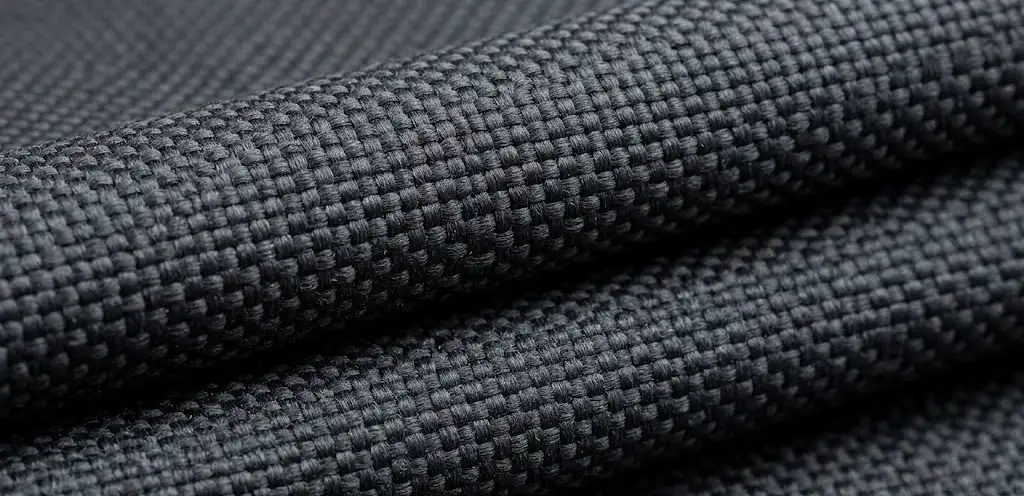
Which backing is suited for polyester, Nylon and spandex?
Iron-on backing is not suitable for this material. Because iron-on backing requires high temperature, it may damage the material of the clothes. We would recommend Velcro and iron-on backing for your polyester, Nylon, and spandex.
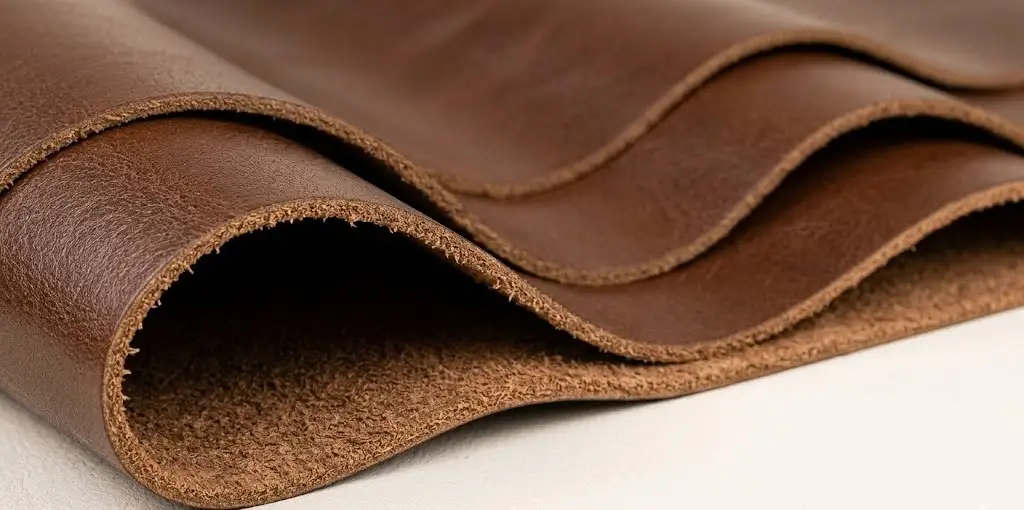
Which backing is suited for Leather Material?
The leather material is also sensitive, so iron-on backing is not suitable. The best backing option is adhesive backing.
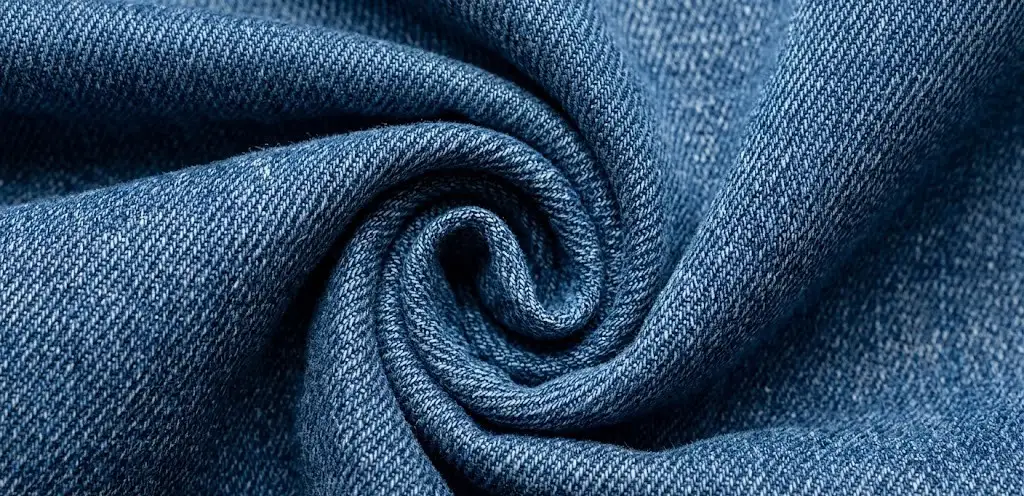
Which backing is suited for denim material?
Iron-on, Velcro, Adhesive, Plastic, and the no-backing we provided are suitable for denim. But iron-on backing is the most durable of these backings.
10 Creative Ways to Show Custom Patches
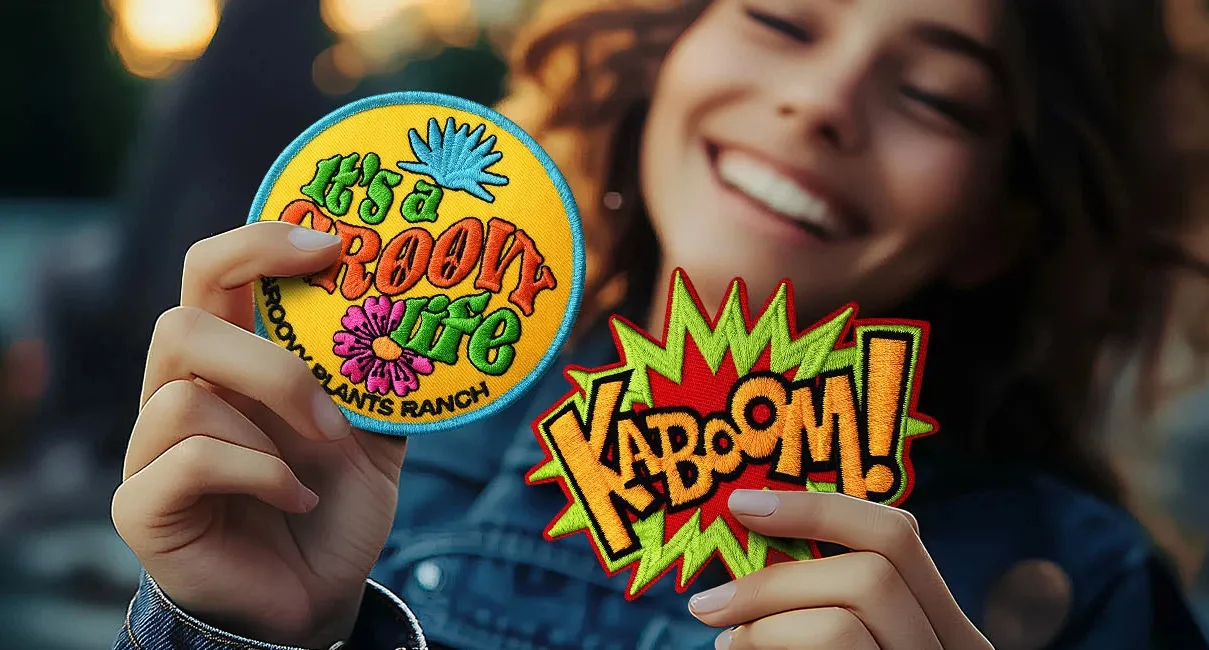
Custom patches have gone beyond the traditional boundaries of uniforms and workwear. They have now become a valuable tool for culture, branding, and identity. Patches can make fashion statements, allow people and businesses to demonstrate branding. Patches can be made of embroidered, woven, PVC, and chenille, to name a few. A custom patch is a great addition and personalized touch to apparel, bags, and personal items.
This article will review 10 creative ways to display custom patches and hopefully inspire you with new ideas to apply them in the world of fashion, accessories, decoration, and marketing.
Looking for the best place to create high-quality custom patches for jackets, hats, or event merchandise? GS-JJ provide 100% free artwork design, and fast free shipping to bring all your creative patch display ideas to life.

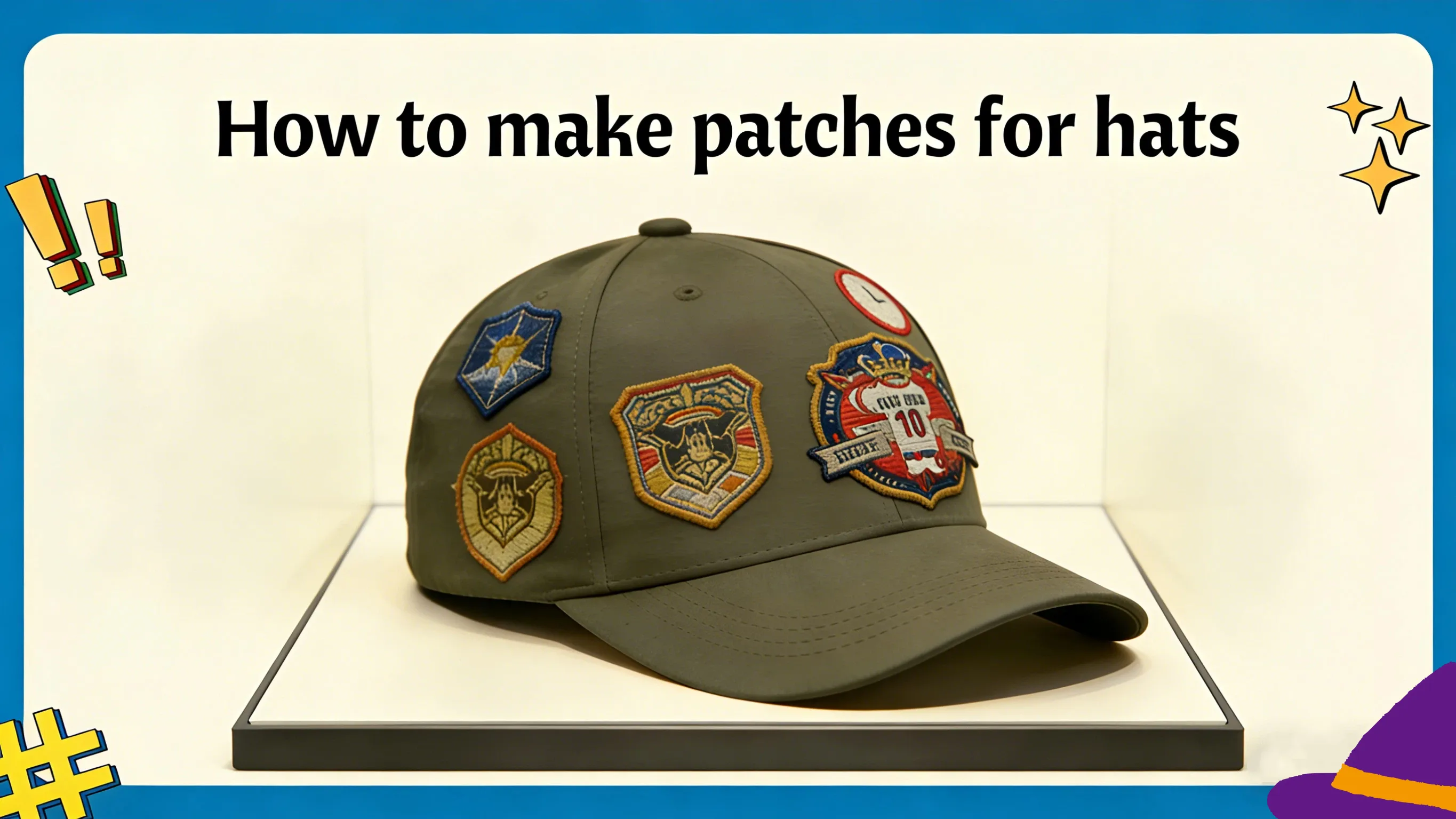
How to Make Patches for Hats
With the ongoing transformation in trends and the shift to individualistic consumption, personalized hat patches have emerged as one of the most sought-after hat accoutrements.
And, the explanation is straightforward: through patches, one can either instantly tailor the hat's look, or more importantly, reveal one's identity, share team spirit, and even adopt a challenge in the form of fashion.