



Patch Care Guide: How to Clean and Maintain Patches?

Lea Alber
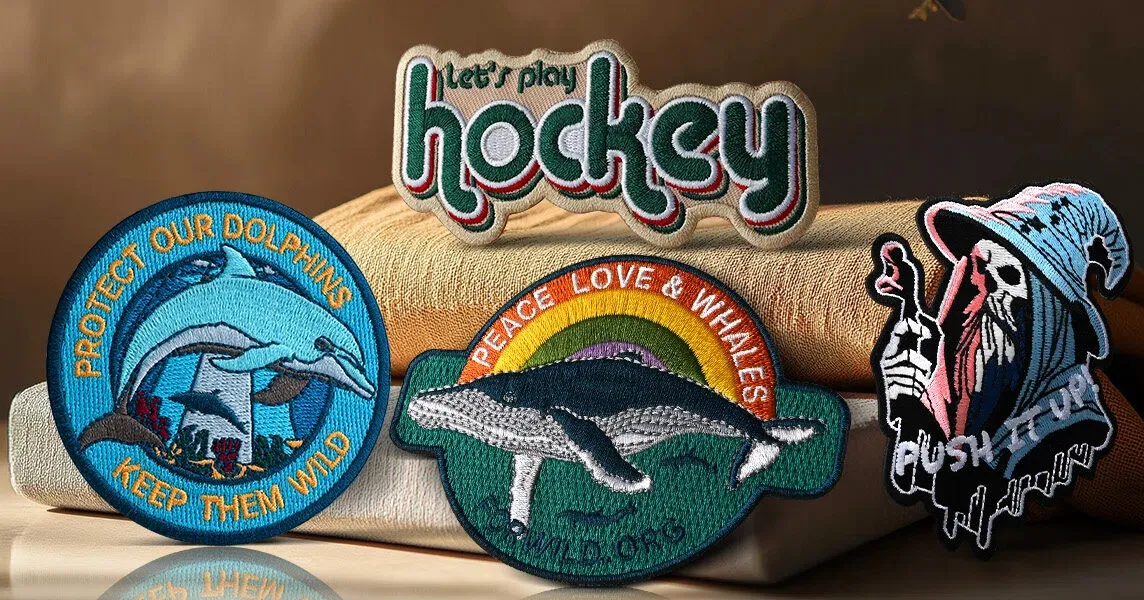
Numerous styles provide the availability of patches. Among the options are embroidered, PVC, woven, and iron-on patches. The differences in style also extend to appearance, feel, and durability, which are accordingly the same for the patches' attachment methods, plus the different uses for the patches' varieties.
All patches require proper care if we want them not only to look good, but also to keep their colors bright, and ultimately. If you know how to care for them, your patches will maintain a fresh and professional look for a longer time.
I. What are the materials used for custom patches?
Custom patches can be made using various options, and each of them will have its considerations for care.
●Embroidered Patches: These patches are made with threads of only the highest quality and are then stitched onto a fabric base. There are three backing options that you may choose from: heat-seal, adhesive which can be sewn.
●PVC Patches: The product is a combination of a very flexible, durable, and at the same time, waterproof material.
●Woven Patches: The thinner threads are woven very close to each other, which results in a higher level of intricacy.
●Iron-On Patches: These patches are attached to the fabric through the heat activation of the tape backing that facilitates the adhesive backing process. Although they are simple to apply, special care is needed during washing to prevent the patch from coming off.
II. How to Clean Different Patches?
Taking care of custom patches will keep them looking good for years and enable them to stay looking fresh and bright. Depending on the type of patch you have determines how to care for it.
1. Embroidered Patches
It is advised to wash by hand. Cold water, along with a gentle detergent, should be used. Do not vigorously rub the parts that are embroidered in order to avoid fraying or color loss.
2. PVC Patches
Simply wipe it gently with a damp cloth or sponge; It's easy to clean.
3. Woven Patches
Take care to wash by hand only. Do not wring your woven patch. Slightly pat dry and reshape gently so it resembles its original form.
4. Ironing the Patches
Avoid letting water accumulate around the adhesive. If the ironing sticker comes off, carefully reheat following the manufacturer’s instructions.
III. What are the tips for drying and storing custom patches?
1. Let Air Dry Correctly
● Please ensure to always allow your patches to air dry after washing.
● Avoid keeping fragile colors and threads in direct sunlight.
● Instead of hanging it, lay the patch flat on a clean towel to minimize stretching.
2. Never Put in the Dryer
● High heat can cause shrinkage, warping, or the adhesive backing may be damaged (for iron-on patches).
● Heat can even warp PVC.
3. Store Flat to Retain Shape
● To store your patch, keep it flat in a drawer or organizer.
● For preservation, use a protective sleeve, zip bag or x-pocket in a binder, if you can.
● Keep patches moisture-free to avoid mildew or discoloration.
IV. How to maintain and repair custom patches?
1. Repair Loose Edges or Threads
● Repair Immediately: If you have any loose edges or broken stitches or if there is fraying anywhere, keep the patch tight, and get these repairs out of your way.
● Select a thread equally colored or matched to the patch fabric and use small, close stitches while being careful not to further disturb the patch by pulling too tightly.
2. Repairing Peeling Edges
● Apply a Thin Layer of Iron-On Adhesive: When there is some peeling or lifting at the edges of the patch, apply a thin layer of iron-on adhesive webbing or fusible webbing layer to the patch layer and the base fabric layer.
● Press with Gentle Heat: Place a warm iron on the patch with a cloth on top to avoid scorching.
● Do not use high heat if the patch is PVC or rubber: Dry quickly and consider applying a small amount of fabric glue around the edges of the patch!
3. How do I keep colors and textures looking their best?
● No Heat: Air dry only. High heat will warp PVC, shrink fabric backings, and make embroidery thread less bright.
● Use a Soft Brush: Some patches are made of easily damaged materials. Washable chenille or textures patches should be very lightly brushed in a pattern on the surface from time to time to maintain the fluffiness of the fibers for effective cleaning.
V. What are some mistakes to make when cleaning custom patches?
1. The Use of Bleach and Strong Chemicals
Bleach and strong detergents will not only affect the colors of the threads but also create a weak spot at the place where the backing was glued, and even the area of PVC that was the surface could be damaged.
The texture of the embroidery might get distorted, and the graphics that were printed might get peeled off as well.
2. Machine Drying or Applying High Heat
Tumble drying can do more than just warp PVC patches; it can also shrink the fabric, or it can even melt the adhesive layer in the case of iron-on patches.
The best way is to air-dry the patches always so that they patches retain their shape and color.
3. Storing in Moisture-Rich
Moisture leads to mold, odors, and even adhesive breakdown—most especially with embroidered and woven patches.
Direct sunlight is another cause of fading and discoloration, the effects of which will be seen over a long period.
4. Very Hard Scrubbing During Cleaning
Rough cleaning technique can lead to embroidery threads being roughened, causing fuzzing, fading of printed surfaces, or distortion of chenille textures.
VI. Conclusion
Caring for unique patches doesn’t take a lot of work but not making a few usual errors can have a great impact on their lifespan. The application of proper care will ensure that your unique patches maintain their freshness and performance on any clothing or accessory.

The Ultimate Guide to Choose Custom Patch Makers
Custom patches are items imbued with personal style. From adorning clothing to becoming a symbol of a team, they are a medium for showcasing a person's unique personality and style.
This guide will introduce you to the world of custom patches, exploring different types, common challenges encountered during the customization process, and introducing you to reliable custom patch manufacturers. Let custom patches open up endless possibilities for your fashion journey.


How to Design a Patch?
Patches are not only decorative accessories; they are potent symbols of identity, belonging, and creativity. Patches (whether incorporated by military units, sports teams, businesses, or people) can tell a story, represent beliefs, or express trends of style.
Patch design involves weighing creativity against function to ensure the final product is simultaneously attractive and functional. Patches are highly customizable and are more than just a few clever colors, shapes, and materials. To set you on a better footing before getting into the nuts and bolts of colors, shapes, and materials, it is important to know a few aspects of patch design and also the essential elements that will impact the outcome of your patch design.

How to Remove Iron-On Patches?
Iron-on patches are wonderful to customize or adorn your apparel with, but when the patch has expired or is broken, or you wish not to have the patch set in your garment, you must have it removed. Iron-on patches need utmost caution for removal, or they will spoil the garment, or the custom patches will adhere to the garment.
In this tutorial, we will discuss what to check before iron-on patch removal, removal of the iron-on patch, how to deal with residue glue, and preparation of the garment for removal.