



How Are Enamel Pins Made?

Adeel Qayum
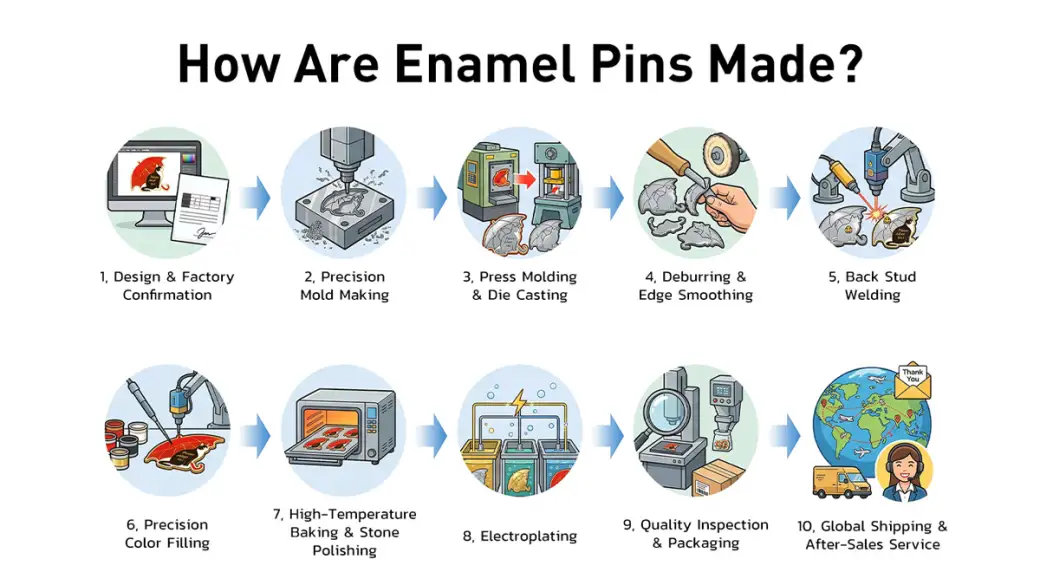
Clients often ask us early in the design phase: "Can you explain the pin manufacturing process?" Understanding these 10 key custom pin production stages helps you eliminate design risks early, ensure product precision, stay on schedule, and protect your budget. Here is a complete look at how custom enamel pins are made from start to finish.
I. A Breakdown of the 10 Key Steps in Pin Production
Step 1: Design & Factory Confirmation
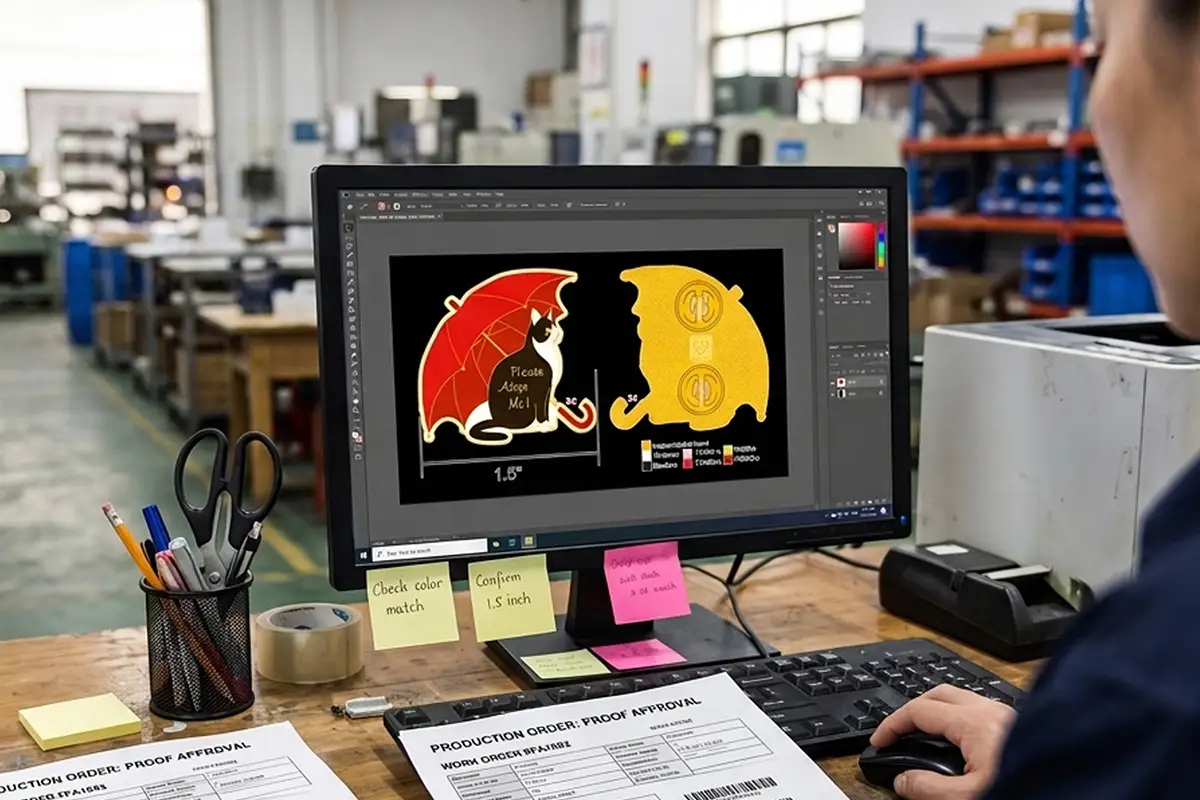
The production process for pins begins with finalizing design specifications. Customers can provide design files in the following formats: AI, EPS, PDF, SVG, PNG, JPG, WEBP, Word, and Excel.
At this stage, all core parameters of the pin, including its final size, pin shape, thickness, metallic outline, background color, and Pantone color scheme, will be confirmed. To meet the design needs of different clients, GS-JJ provides both automated design tools and professional artist support, helping you easily transform your ideas into production design drafts.
Step 2: Precision Mold Making
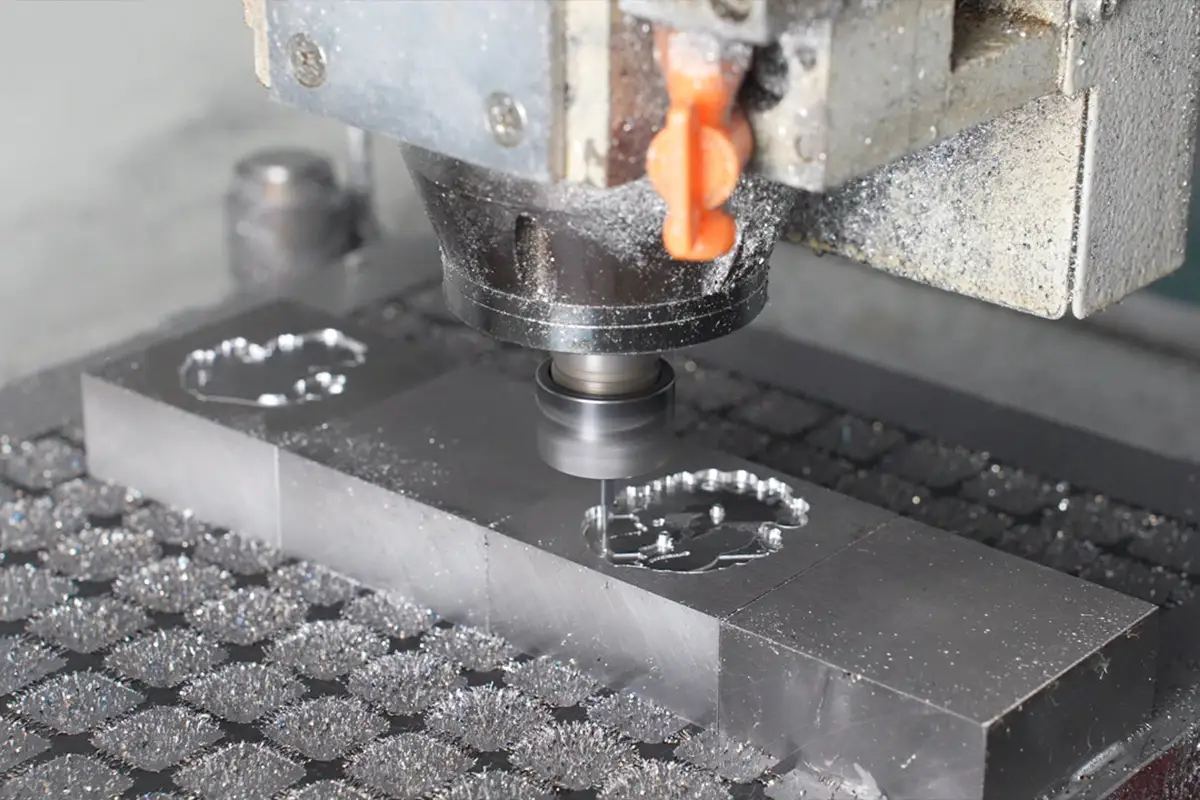
Once artwork is approved, we create a high-precision steel enamel pin mold to bring your 2D design into the physical world.
- Precision-carved steel mold: The programmer inputs the 3D model into the CNC milling machine, and the pin pattern is engraved layer by layer on a high-hardness black steel sheet (mold steel). For intricate details, master craftsmen use precision gravers to manually refine the mold.
- Wire-cut cutting die: Before heat treatment, the precise profile of the pin must be traced using a high-precision projector, and the cutting die is then cut using a wire-cut EDM machine.
- High-temperature heat treatment: The sculpted pattern mold and the wire-cut die need to be processed together in a high-temperature furnace to optimize the carbon content, followed by rapid oil quenching to ensure they can withstand the continuous impact of heavy-duty hydraulic presses (typically applying 50 to 500 tons of force).
- Steel ring assembly: A protective steel ring is fitted around the cooled mold to prevent cracking or deformation during the subsequent high-pressure stamping process.
Differences in mold types:
|
Category |
Die Stamping | Die Casting |
|
Working Principle |
A solid sheet of metal (such as brass, copper, or iron) is placed between two steel molds; a hydraulic press then applies massive pressure (typically 50–500 tons) to stamp a textured, relief pattern into the metal | Molten zinc alloy is injected under high pressure into a sealed steel cavity. Once cooled, the mold opens to release the solid component |
| Product Features | Features a solid metal base without cutouts or hollow areas, and its back is typically smooth | Features complex structures, allows for openwork (cut-through) designs, and possesses a strong three-dimensional quality |
Step 3: Press Molding & Die Casting
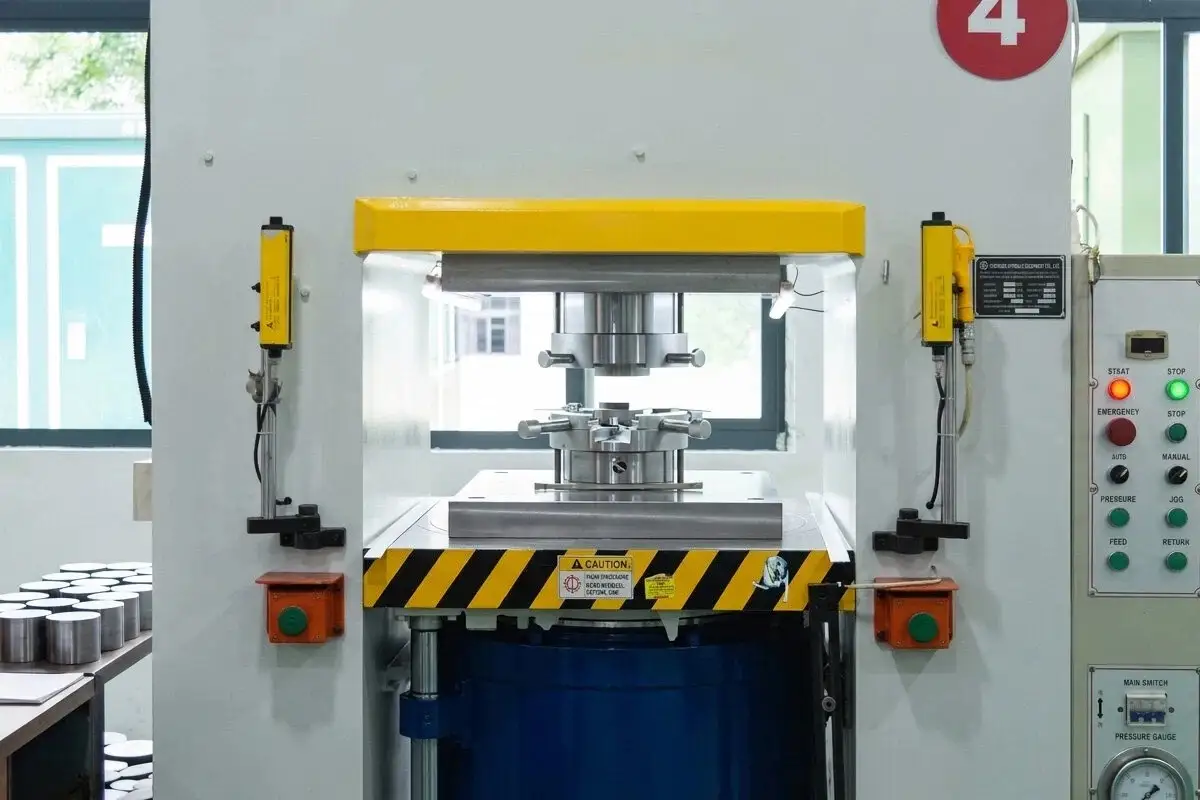
Once the mold engraving and hardening processes are complete, the next step is to mount the mold onto the machine to shape the raw material.
- Die Stamping / Casting: A mold is mounted onto a large hydraulic press, and a metal substrate—such as copper, iron, zinc alloy, or aluminum—is selected based on design specifications. The machine applies immense pressure to precisely imprint the mold's relief patterns onto the metal sheet.
- First-Piece Inspection: After the first batch of blank parts is produced, the staff will carefully check every detail against the drawings. Even minor cosmetic defects require modification or adjustment. Mass production can only begin after all parts have passed verification.
Step 4: Deburring & Edge Smoothing
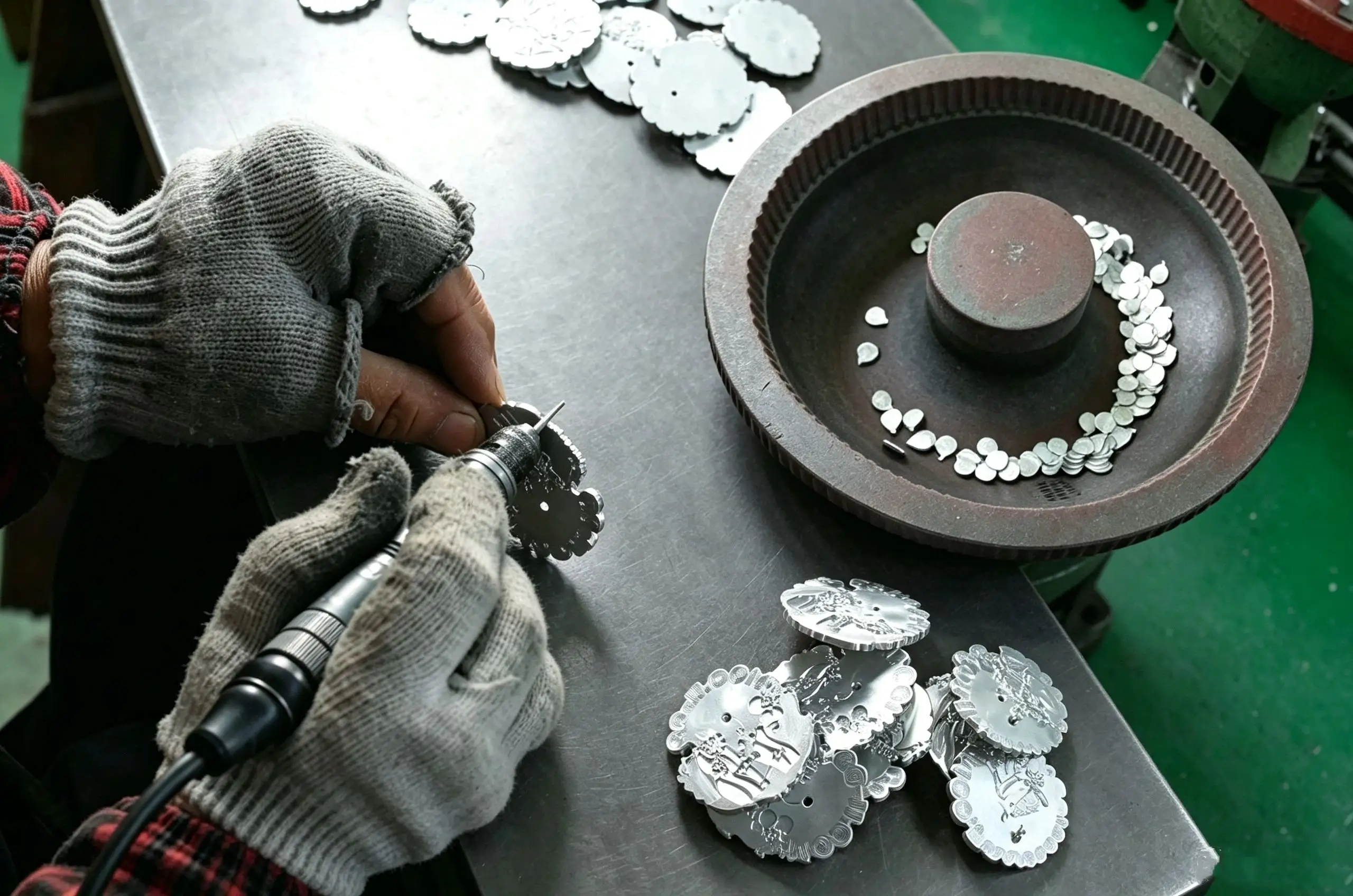
After stamping, excess metal scraps and burrs are trimmed and polished.
- Trimming: A custom-made die is used on a small punch press to trim away excess metal from the formed blank, thereby defining the pin's final outline.
- Vibratory Polishing & Deburring: Freshly trimmed blanks often have sharp burrs along their edges. The blanks are placed in a bowl-shaped vibratory finishing machine; high-speed vibration causes the metal parts to collide and rub against one another, automatically smoothing away sharp edges for a clean finish.
Step 5: Back Stud Welding
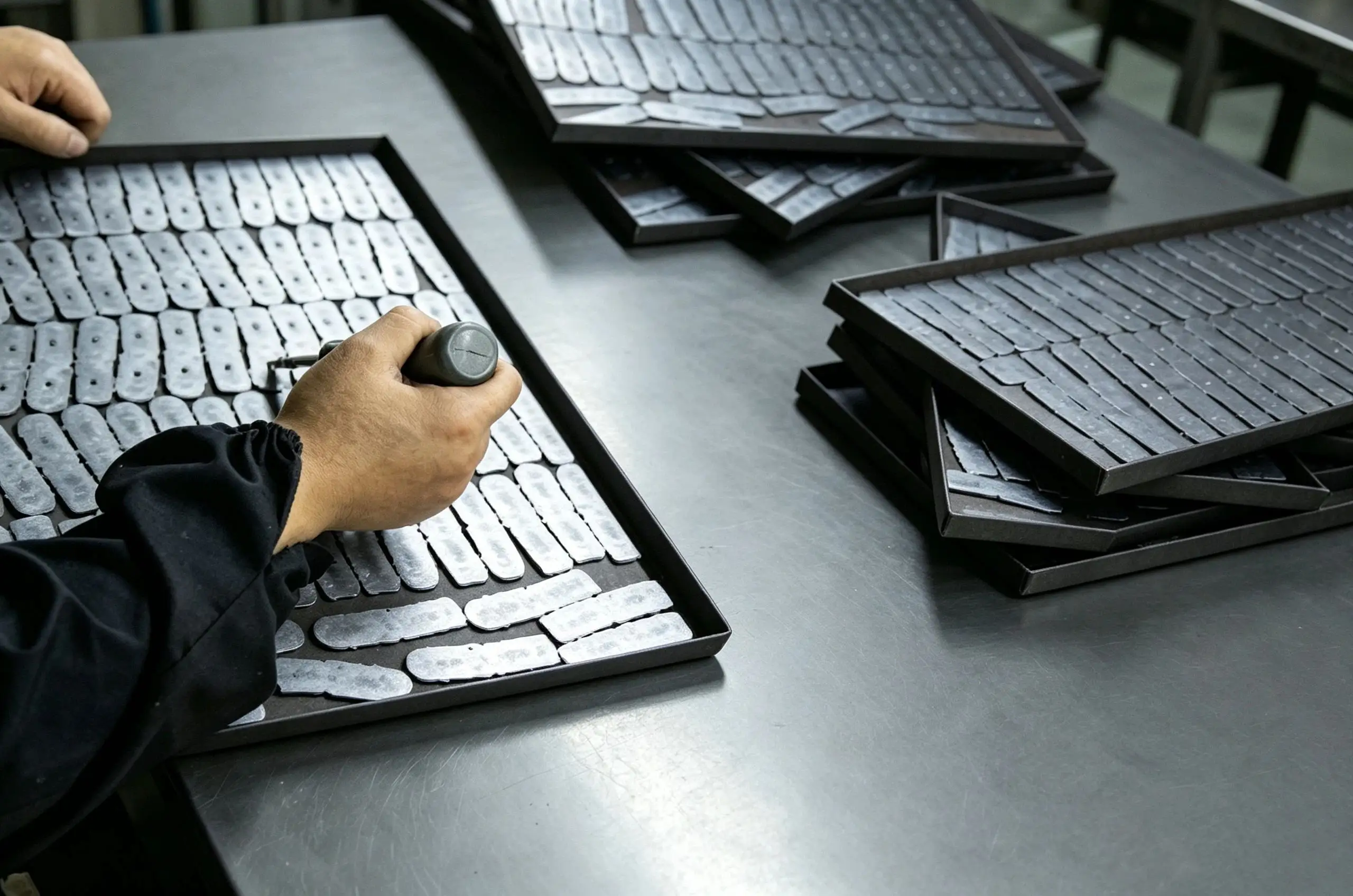
After deburring—and prior to polishing and electroplating—pin posts are welded onto the back of the metal blanks. The workshop typically uses a high-frequency resistance welding machine or a special positioning spot welding machine to firmly weld the metal pins to the back of the enamel pin.
Step 6: Precision Color Filling
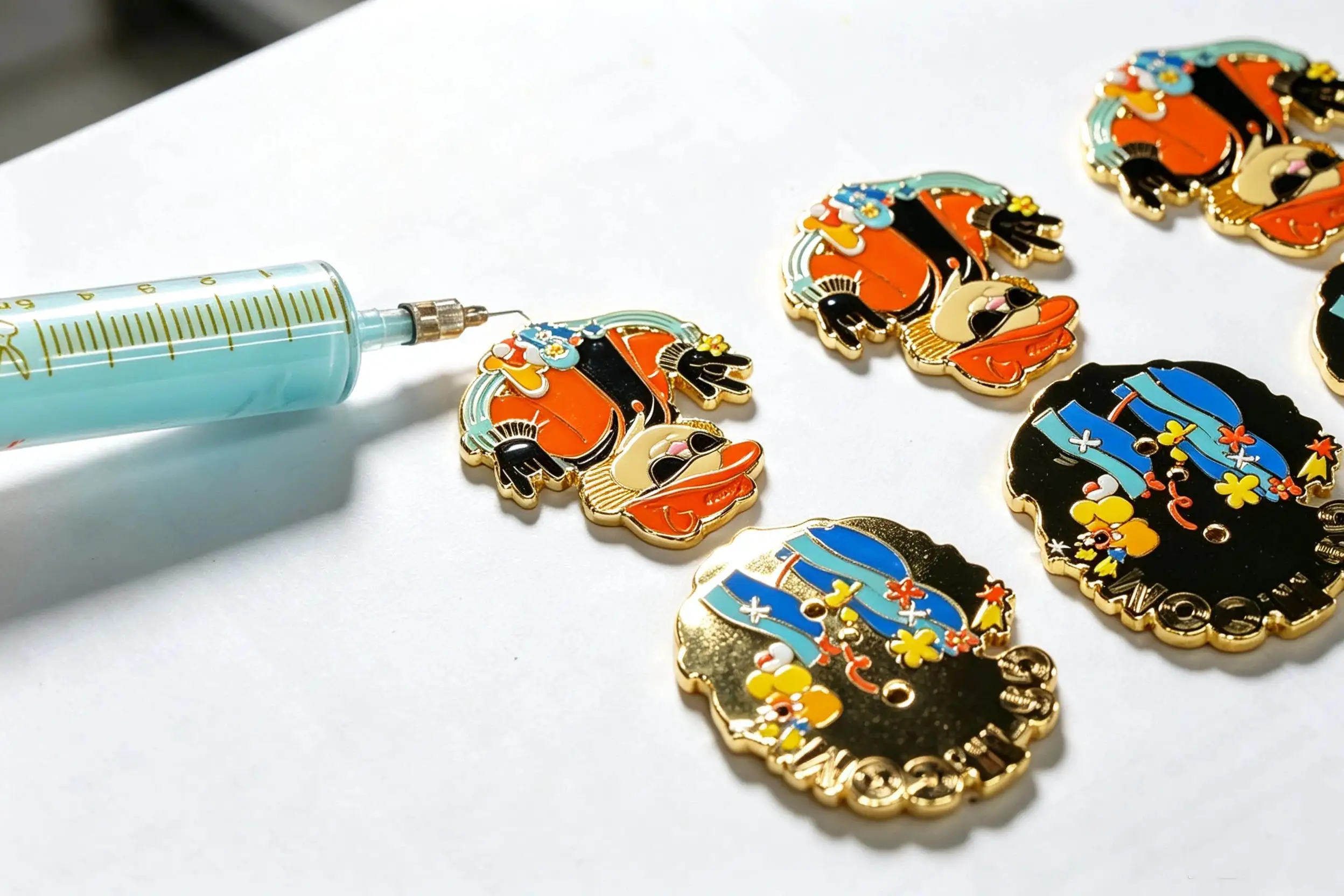
Next comes the precise coloring process, which is the step that changes the most significantly in terms of the pin's appearance. There are considerable differences in the coloring process between soft enamel and hard enamel:
- Soft Enamel: The base undergoes polishing and plating before this step, creating a brilliant, raised metal outline; Subsequently, the coloring material is injected into the electroplated recesses; this process can be performed manually by artisans or automatically using high-precision UV printing equipment.
- Hard Enamel: The bare metal base is filled with enamel paste prior to plating. Artisans use a handheld micro-dispenser to inject pigment precisely into the recessed areas separated by raised metal lines.
- Pantone Spot Color Matching: Colors are tested and compared against the specific Pantone C codes designated in the design to ensure zero color deviation in the finished product.
- Optional Value-Added Special Effects: GS-JJ offers a wide range of custom finishes and special effects, including glitter, glow-in-the-dark powder, rhinestones, 360° spinning or sliding mechanics, embedded NFC tags, and Epoxy Coating(used for custom epoxy pins, where a clear protective resin dome is applied after high-temperature baking for a smooth, glossy finish).
Step 7: High-Temperature Baking & Stone Polishing
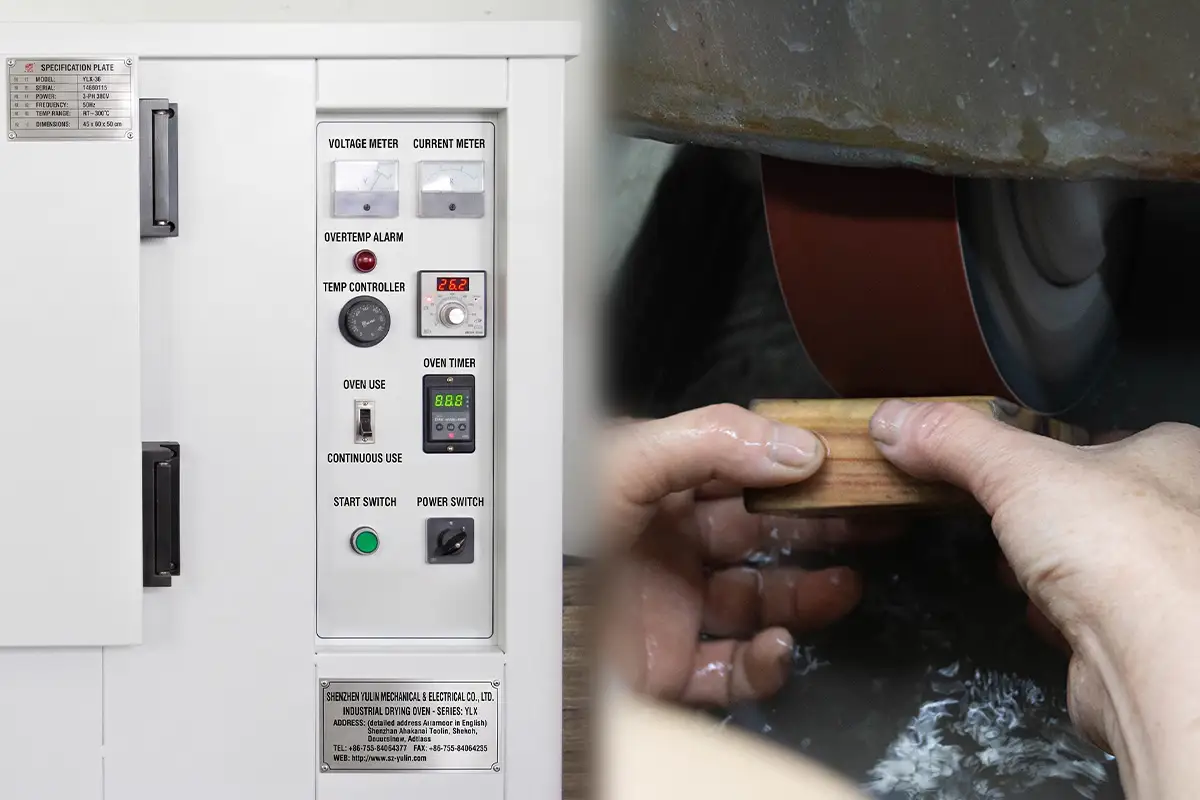
After all the coloring is completed, the pins need to be put into the oven for high-temperature curing. It is important to note that the choice between soft enamel and hard enamel entails significant differences in the corresponding baking and surface polishing processes.
1. High-Temperature Baking & Curing
- Soft Enamel: The pigment is cured by baking at a moderately high temperature. Once dry, the pigment sits slightly below the raised metal lines, creating a distinct visual and tactile contrast between the recessed color areas and the raised metal.
- Hard Enamel: Uses a resin enamel paste cured in baking ovens at 150°C - 200°C (300°F - 400°F) to fully solidify the colors into a hard, wear-resistant surface. The paste melts and expands to fill the entire mold cavity; upon cooling, it becomes extremely hard and highly resistant to wear and damage.
2. Precision Stone Grinding & Lapping (Exclusive to Hard Enamel)
After baking and curing hard enamel, the pigment typically rises above and covers the metal lines. To achieve a perfectly flat surface, a specialized stone polishing process is required:
- Precision Surface Grinding: The fired pins are placed in a water-fed stone grinding machine. Using fine-grit stones and micro-abrasive paper—combined with a continuous water flow for cooling—excess hard enamel is ground away layer by layer until the pigment surface is perfectly flush with the raised metal lines.
- Ultimate Mirror-Like Finish: After being stone-ground flat, it undergoes a high-polishing process, which integrates the metal lines with the pigment, delivering aseamless, jewelry-grade polish that is completely flush with the metal lines.
Step 8: Pre-Plating Cleaning & Electroplating
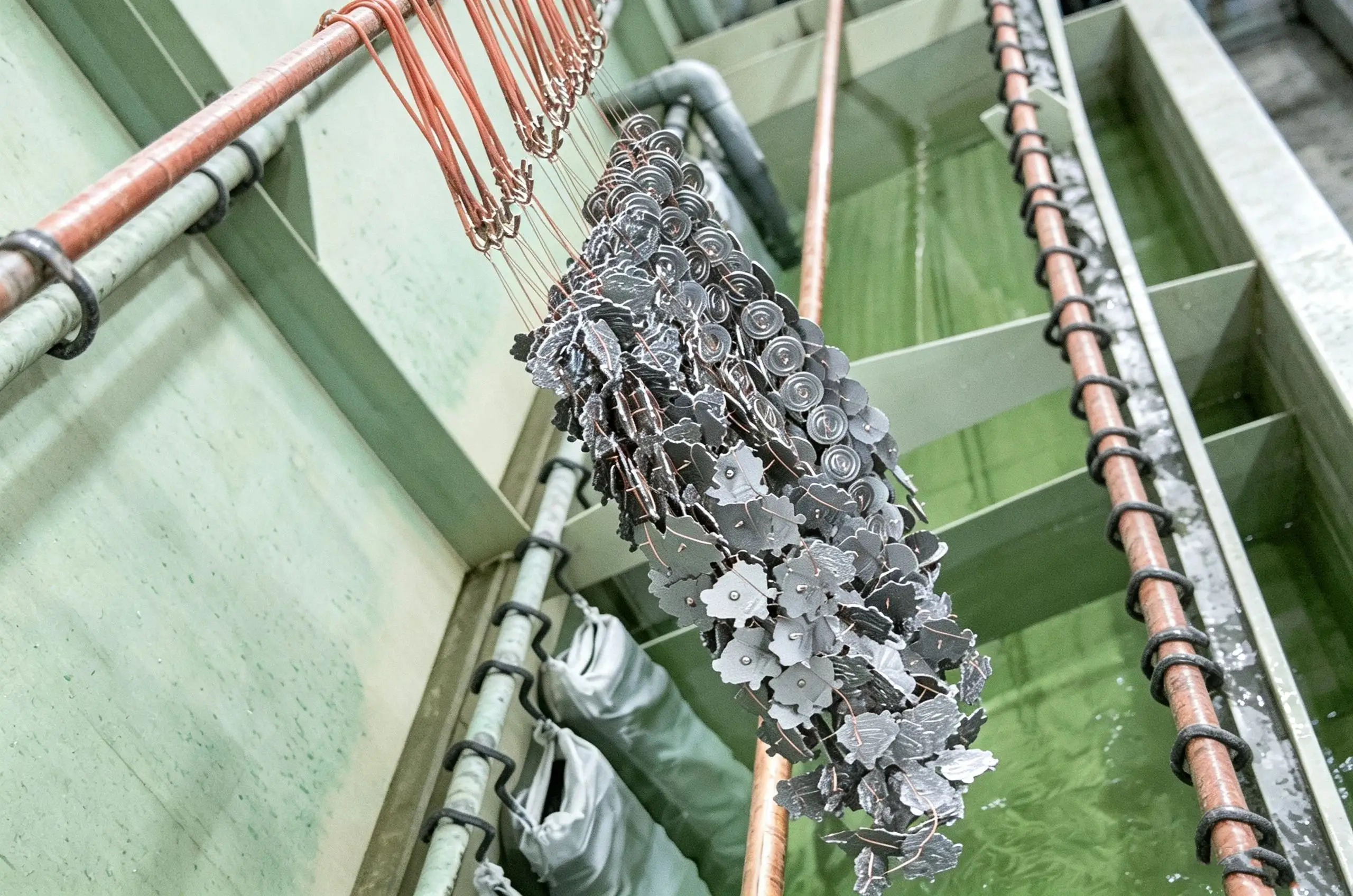
The electroplating process utilizes the principle of electrolysis to deposit coatings—such as gold, nickel, or silver—onto the pin's surface, establishing the final metallic base color and outline:
- Pre-plating high-gloss polishing and cleaning: Before the workpieces are placed into the electroplating bath, workers manually fine-polish all the metal blanks using high-speed soft cloth wheels to remove surface imperfections; this is followed by acid pickling and ultrasonic cleaning to ensure the plating adheres firmly to the metal surface.
- Hard Enamel: Hard enamel pins—having just been leveled by grinding and then polished and cleaned—proceed to the electroplating bath. The coating is deposited onto the exposed metal borders, completely eliminating the risk of plating wear associated with earlier grinding steps.
- Soft Enamel: For soft enamel pins, all polishing and electroplating processes are completed prior to the color-filling stage (Step 6); therefore, this step is bypassed, proceeding directly to quality inspection and packaging.
Step 9: Quality Inspection & Custom Packaging
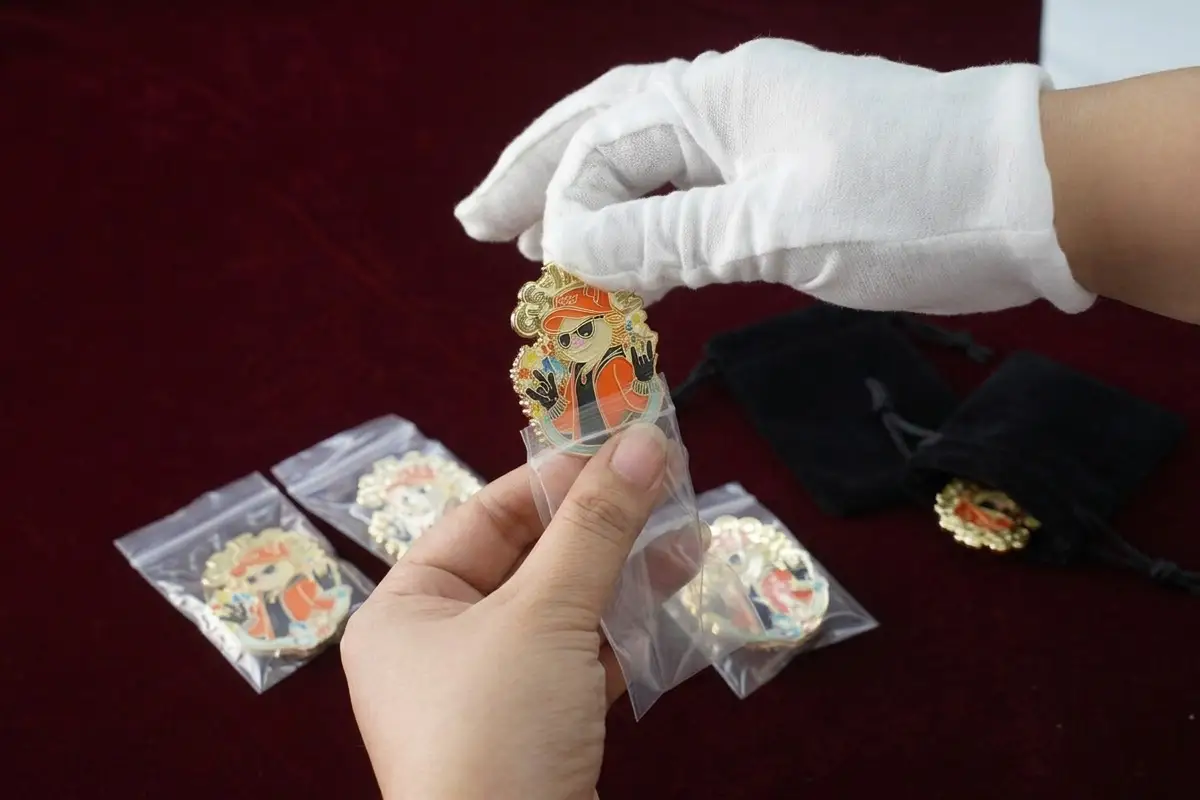
1. Accessory Attachment Options
GS-JJ supports a variety of back attachments—such as rubber clutches, metal butterfly clutches, and pinless backings—and offers upgrades to premium locking clasps, strong magnetic non-piercing fasteners, safety pins, and keychain attachments to suit diverse wearing and display needs. Not sure which pin back suits your design? Read our guide to pin backing options to find the perfect match.
2. Visual Quality Inspection
GS-JJ conducts a comprehensive, item-by-item quality inspection on every finished product prior to shipment. Key inspection points include the following:
- Surface Defect Inspection: The focus is on inspecting the enamel and painted surfaces, checking for scratches, bubbles, color bleeding, discoloration, and color leakage to ensure that the pattern outlines are clear and crisp and the colors are accurately reproduced.
- Plating and Gloss Inspection: Verify that the plating on the metal frame and back is uniform and smooth; oxidation, blemishes, peeling, or plating defects are strictly prohibited.
- Attachment Security and Pull Testing: Test the solder strength of each pin pin individually; repeatedly open and close the butterfly, rubber, or magnetic backings to ensure a secure fit and prevent accidental detachment during wear.
3. Packaging
GS-JJ offers a variety of flexible packaging solutions. In addition to providing dustproof and scratch-resistant individual OPP bags/poly bags by default free of charge, it also supports upgrades to exquisite velvet bags, transparent plastic boxes, premium velvet gift boxes, and custom cardstock printing that can be double-sided color-printed with the brand logo, comprehensively enhancing the brand value and commercial display quality of products. In addition, all orders are uniformly packed in thickened outer cartons to ensure the goods remain undamaged during transit.
Step 10: Global Shipping & After-Sales Service

- Global Direct Express Shipping: GS-JJ ships via FedEx, DHL, and UPS; shipping is free for most countries and regions, though additional fees may apply for remote or hard-to-reach locations. If you need to know the specific delivery time, production cycle and shipping arrangements, please refer to our "Custom Lapel Pin Lead Times & Shipping Guide" to help you plan your order smoothly.
- GS-JJ After-Sales Guarantee: If any quality defects or quantity discrepancies caused by manufacturing or workmanship are found after receiving the goods, the GS-JJ professional customer service team will intervene immediately to provide a remake, a refund, or appropriate compensation, ensuring a worry-free customization experience throughout the entire process.
II. Why Custom Enamel Pins Can’t Be Made at Home
Making custom pins at home sounds like a fun experiment, but learning how to make pins outside a professional setting is extremely difficult for the following reasons:
- Machinery requirements
The pin manufacturing process relies on heavy industrial machinery, such as CNC mold-engraving machines, hundred-ton hydraulic presses, and electroplating tanks. Such equipment is not only massive in size but also entails extremely high acquisition and maintenance costs—far beyond the capabilities of a home-based workshop. - Chemical hazards
Pickling and electroplating processes involve the use of highly corrosive industrial chemicals. In addition, enamel firing equipment generates significant heat during operation and is not suitable for home use, as it can pose safety hazards. - Precision and accuracy
The production of finished enamel pins demands meticulous attention to detail. Whether it's the weight of the die casting, the temperature control curve for baking, or precise volumetric control during manual color injection, all of these require precise control. Even a deviation of just a few seconds in the electroplating duration can result in the entire batch being scrapped. - Huge upfront costs
Custom pins require custom steel molds, and the cost of a set of molds can range from tens to hundreds of dollars. If it's an individual handmade or small-batch family production, the order volume is too small to recoup the initial mold-making costs. - Specialized technical expertise
The GS-JJ production team comprises seasoned technicians who bring decades of industry experience and mastery of core techniques such as manual buffing with cloth wheels, precision electroplating control in recessed areas, and micro-needle color filling. These skills and the intuitive "feel" for the craft—honed through years of hands-on practice—are difficult for beginners to replicate.
III. Why Choose GS-JJ for Your Custom Pins?
- Factory-Direct Sales: GS-JJ offers professional-grade quality at factory-direct prices. Trusted by customers worldwide, with over 75% of clients choosing to establish long-term partnerships with us.
- No Minimum Order Quantity (MOQ): GS-JJ accepts orders of any size, with flexible quantities to suit your needs.
- Practical and Cost-Effective Solutions: Based on your specific pin design ideas, GS-JJ provides free recommendations regarding materials, plating, fittings, and packaging to strike the ideal balance between aesthetics, durability, and budget.
- Secure and Reliable Custom Services: We will not use your designs for commercial purposes without your permission; for highly confidential projects, we are happy to sign non-disclosure agreements (NDAs).
IV. FAQs
Q1: Are there any color limitations for custom enamel pins?
GS-JJ offers unlimited colors at no extra charge. It is important to note that the traditional liquid enamel filling process relies on raised metal borders to separate colors; consequently, the enamel itself cannot directly produce gradient transitions. If your design incorporates gradient details, GS-JJ can apply silk screen printing or UV/offset printing over the metal or enamel surface to perfectly reproduce smooth color transitions.
Note: We use Pantone color standards for precise matching; you may select your own color codes, or our designers can match them for you free of charge.
Q2: What sizes are recommended for custom pins?
Based on our standard pin size chart, here are the most common pin sizes:
- 0.5–0.75 inches: Minimalist designs (logos, simple icons). Best suited for small areas like collars or hats. Low cost; ideal for mass production.
- 1–1.25 inches (Most popular): Logos combined with small icons or short text. Offers the best balance of clarity and practicality. Suitable for everyday wear (jackets, shirts).
- 1.5–2+ inches: Suitable for intricate patterns, figures, and bold designs. Delivers strong visual impact. Best suited for bags, displays, and collectibles.
Still not sure which size fits your design best? Check out our complete guide: How to Choose the Right Custom Pin Size to find the perfect match for your project.
Q3: Can I customize a logo or text on the back of the pin? What options are available?
Yes. GS-JJ offers three common options for the back of the pin to suit various budget and aesthetic requirements:
- Standard Back: A plain, smooth matte metal finish requiring no additional processing; completely free of charge and ideal for simple pins or large-volume orders.
- Laser Engraving: This technique uses lasers to etch fine brand logos, text, or serial numbers, creating a recessed matte finish. It is low-cost and highly customizable, making it suitable for adding brand logos or unique serial numbers.
- Raised Logo / Text: Features 3D metal lettering created via mold stamping, offering a premium tactile feel and high-end look; requires mold creation (at a higher cost) and is perfect for high-quality commemorative medallions, awards, or premium brand pins.
V. Conclusion
With over 20 years of manufacturing experience, GS-JJ is equipped to meet a wide range of needs — offering everything from classic custom pins made of metal, enamel, acrylic, or wood to expedited printing and smart NFC pins. Whether you require a single custom pin or a bulk order, we provide the same high-quality products and attentive service.
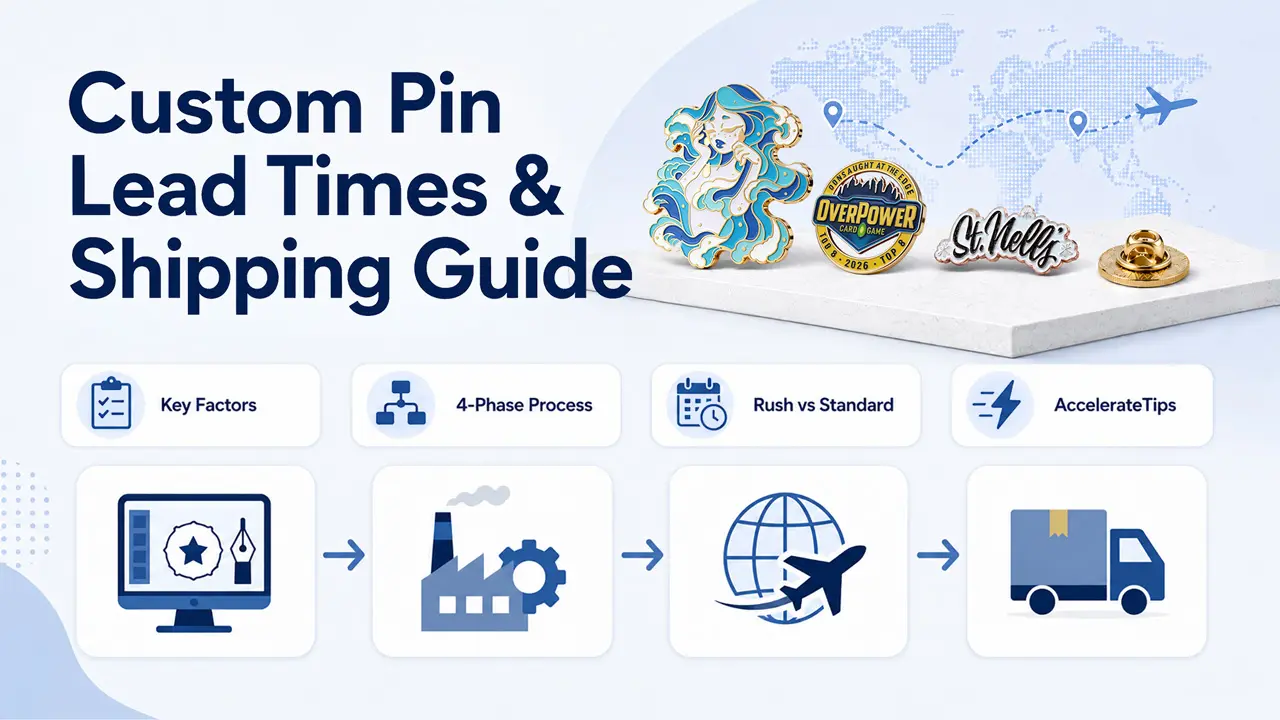
Custom Merchandise Lead Times & Shipping Guide
If you are wondering how do you get challenge coins, custom pins, and medals on a strict deadline, the turnaround time is dictated by artwork confirmation, manufacturing processes, factory scheduling, and shipping choices. This guide specifically covers custom metallic recognition items, including lapel pins, challenge coins, and event medals—helping you calculate your precise cutoff date so these custom items arrive on time and within budget.
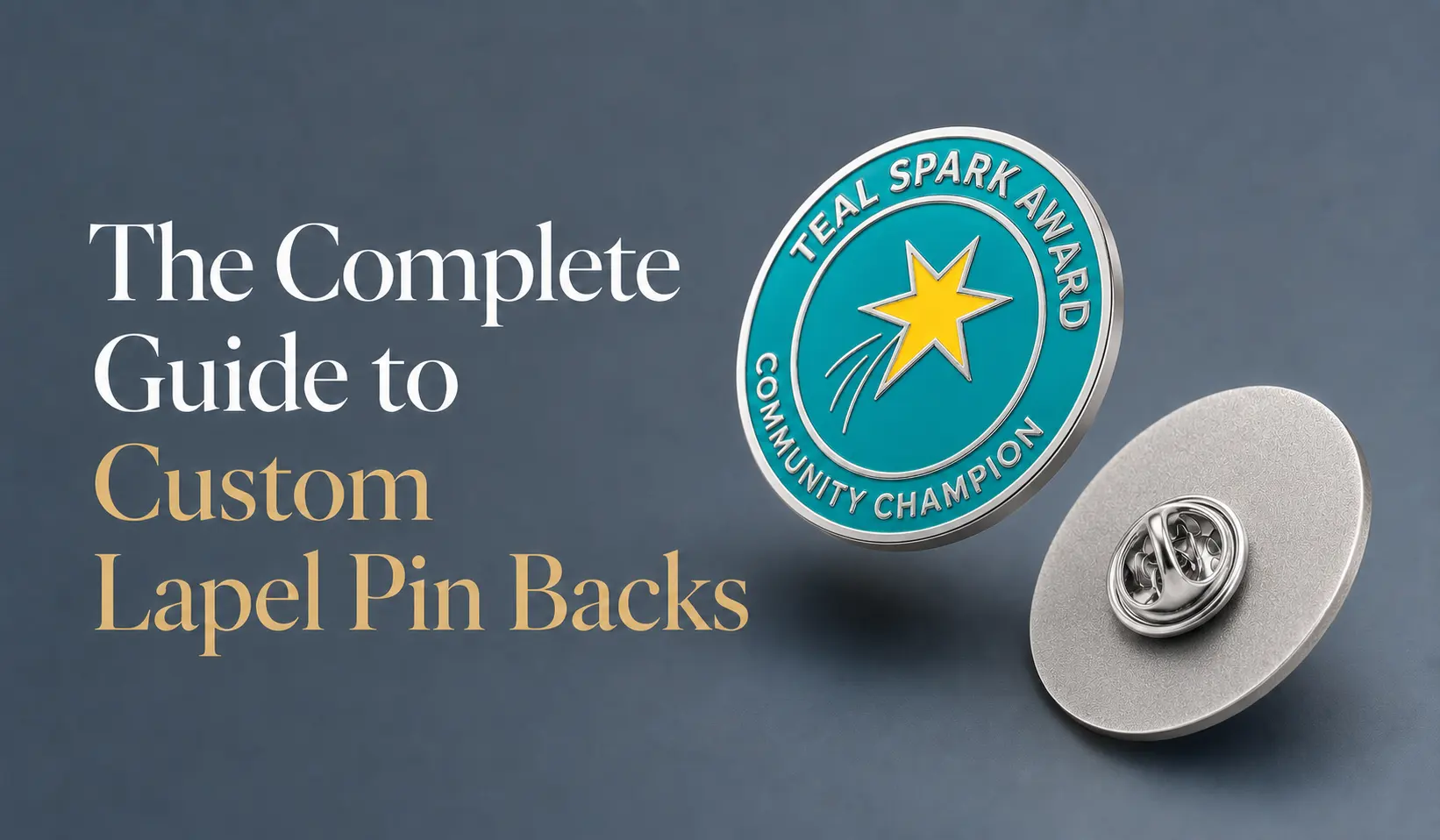
The Complete Guide to Custom Lapel Pin Backs
When creating a custom lapel pin, the choice and design of the pin backs and locking pins are equally important. A suitable pin back makes the lapel pin more secure, reduces the chance of it falling off, and protects clothing. While some display pieces use unbacked (flat-backed) lapel pins for easy attachment to display boxes or crafts, a sturdy and suitable backing is usually essential for everyday wear.
To help you choose the right backing for your needs, GS-JJ has compiled this guide, introducing 14 types of lapel pin backings, their characteristics, and suitable applications.
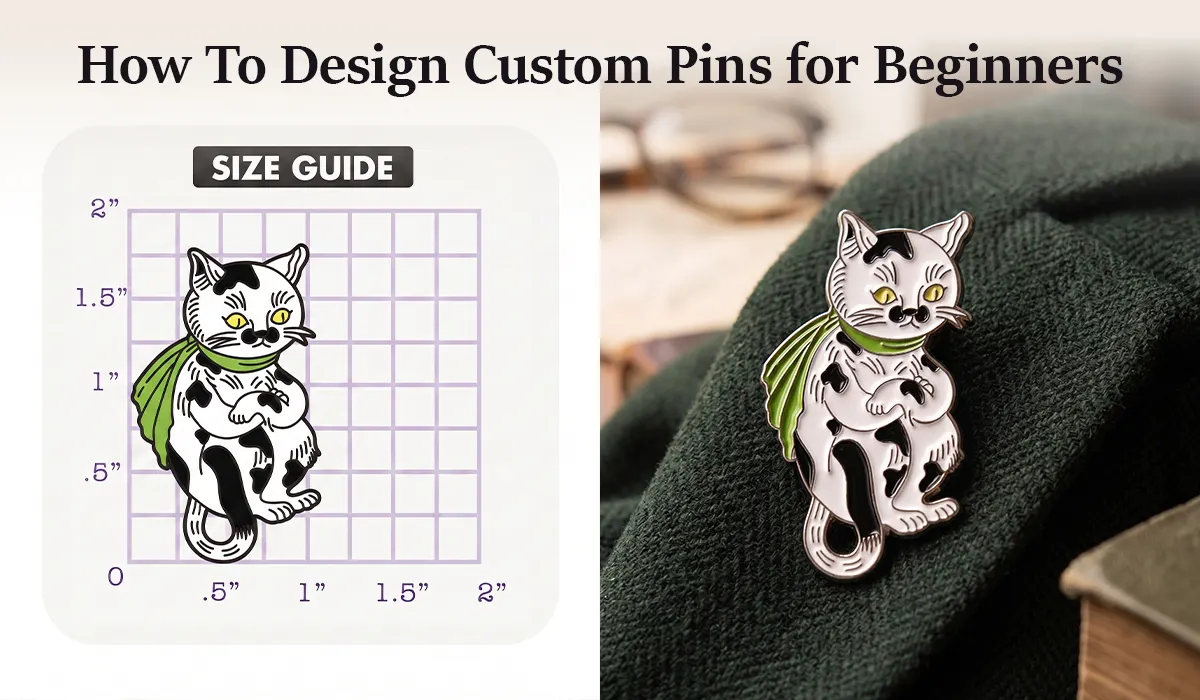
How To Design Custom Pins for Beginners
Designing a custom pin requires no professional art skills or complex software. This beginner's guide covers the basics of pin design, from sizing and material selection to AI tools and 3D digital proofs, to help you complete your first custom pin design.