



How to Design a Patch?

Lea Alber

Patches are not only decorative accessories; they are potent symbols of identity, belonging, and creativity. Patches (whether incorporated by military units, sports teams, businesses, or people) can tell a story, represent beliefs, or express trends of style.
Patch design involves weighing creativity against function to ensure the final product is simultaneously attractive and functional. Patches are highly customizable and are more than just a few clever colors, shapes, and materials. To set you on a better footing before getting into the nuts and bolts of colors, shapes, and materials, it is important to know a few aspects of patch design and also the essential elements that will impact the outcome of your patch design.
I. How to design a patch?
1. Be Creative
The first step to producing the design for a patch is to dream. Do not think about the traditional shapes or common patterns—let your design come to you through an uninhibited creative process. Take the idea of a patch and consider it as a blank canvas, allowing you to use any color, symbols, characters, style, and every other creative element without limitations.
Be Imaginative: Challenge your thinking. Don't use common designs—give a different shape, give it modern elements, or give it a new theme.
Consider a Variety of Inspirations: Examples include culture, nature, history, and/or personal experiences.
Be Narrative Focused: When a patch conveys a story, value, or memory in the design, it has value beyond the traditional patch.
Begin from a position of openness, and you will create a final patch that is practical, creative, and expressive.
2. Choosing a Shape and Size
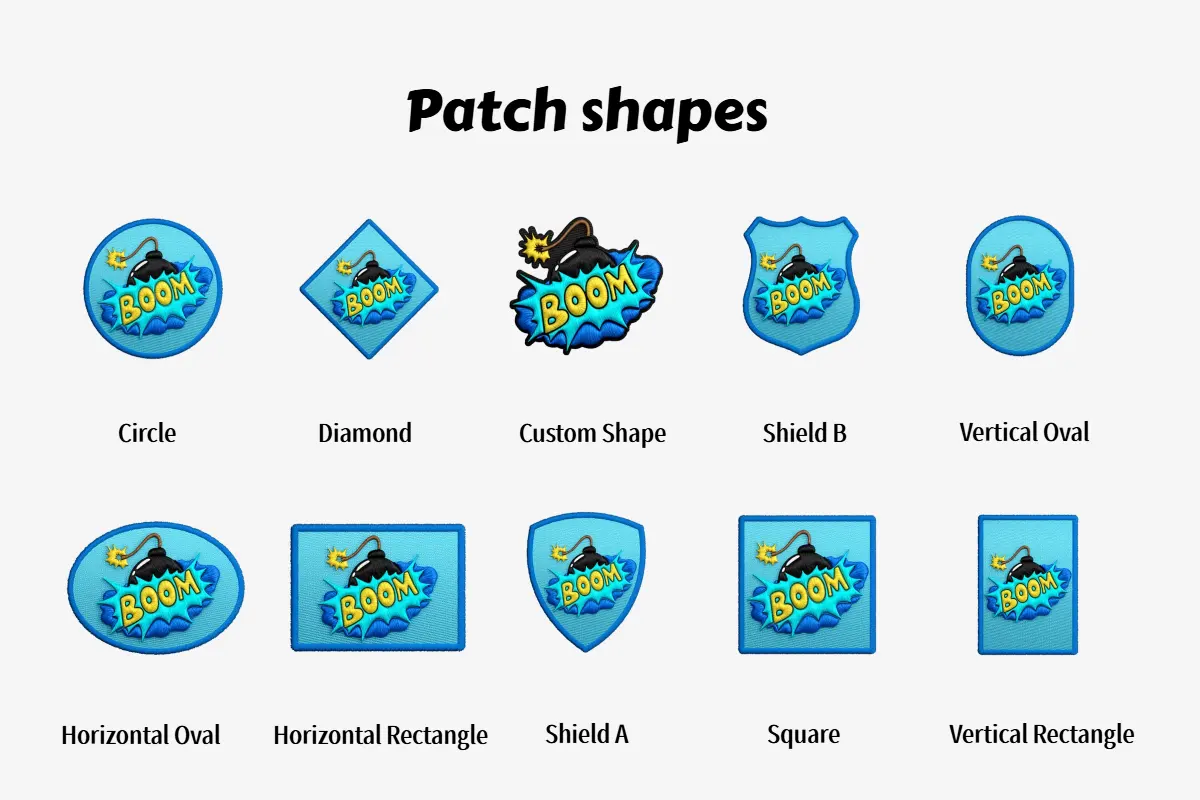
Creative art—aspects including shape, size, and material—all play an important role in how your patch looks and functions.
Common Design Shapes: Most patches are going to be either round, square, or shield-shaped for the purpose of manageable manufacturing and versatility. Custom shapes, not necessarily limited to animal shapes or logos, or mascots, will help distinguish a patch from other patches.
Size Matters: Ultimately, size is a matter of where the patch is placed. Small patches are best for hats, medium patches are best on jackets or shirts, while large patches applied to backpacks can serve as decoration statements.
Material and Intended Use: Embroidered patches have a distinct traditional textured look, woven patches allow for details, PVC patches are incredibly durable and waterproof (great for active wear clothing), while leather is a premium look and feel.
As you consider these three variables—shape, size, and material—while you may come up with an attractive patch, you will also know it will perform how you would hope.
3. Core Design Elements
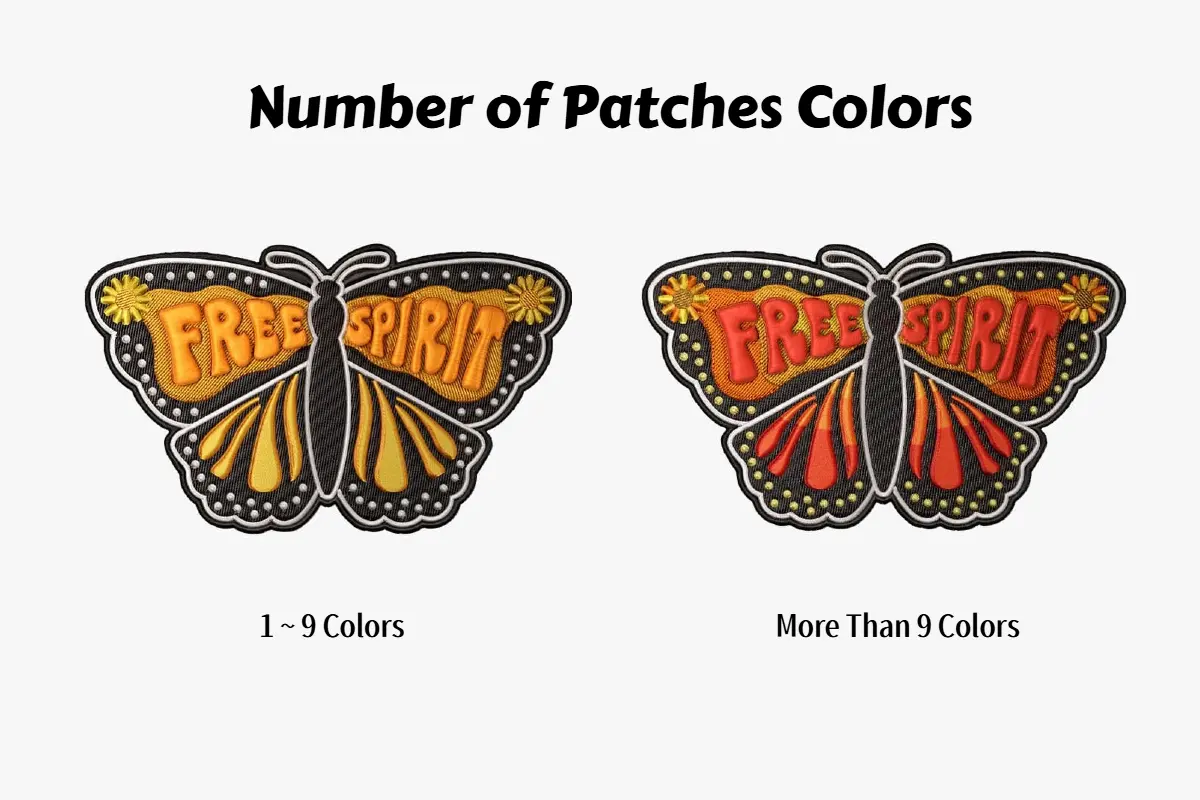
Color Coordination
Color is used as a palette to evoke the mood of a patch. Bright bold colors provide a powerful visual sense to the patch, whereas colors that are neutral or muted will give a more professional or vintage feel.
Always try to achieve a good contrast of colors so that there is a clear difference between the patch background and the details. Colors are a great method to add interest to your designs while also detracting from the details. Additionally, limit color use so the design is clean, and manufacturing costs will be less expensive.
Graphics and Symbols
Symbols, icons, or images make a patch meaningful. They can depict a team mascot, company logo, cultural aspect, or personal passion. The trick is to make graphics simple enough to be identifiable, but unique enough to give the patch identity.
Text and Fonts
Text can provide additional details to a patch by including names, words, or dates. Use text in a clear font that will read well in small sizes while adhering to the design style as a whole - bold block fonts for authority, script fonts for elegance, playful styles for casual settings. Be careful of cramming all kinds of text in - too much text will make a patch look cluttered.
4. Design Tools
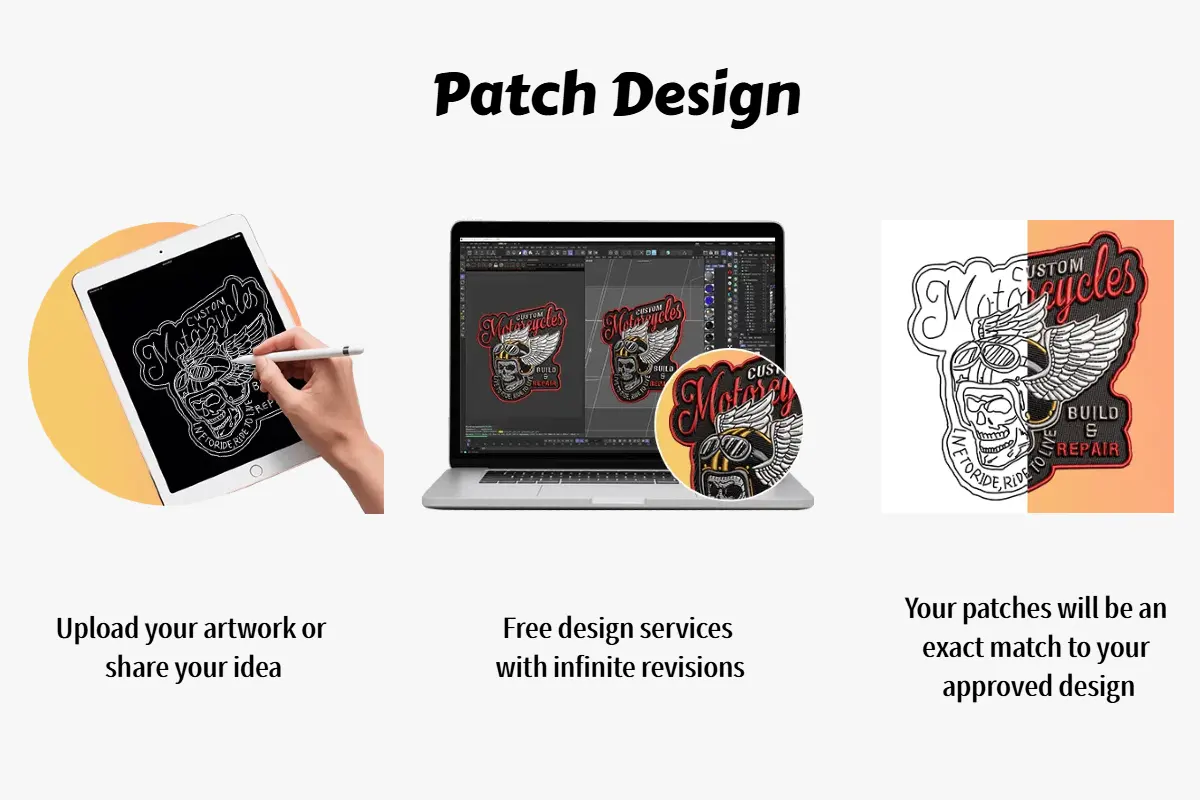
Use Design Software
Using any professional design software, like Illustrator, Photoshop, or CorelDRAW, can help create a patch in the digital space. Of course, if you're using vector applications like Illustrator and CorelDRAW.
Manufacturer Design System
Most patch manufacturers will have design systems available. An online design system can simplify your designs with basic shapes, fonts, and colours. The design systems offered by manufacturers have limits for designers (as you will have to choose from the shapes, styles, and colours that they provide), but they will also provide you with a degree of confidence that issues should not arise regarding the patch production.
Hiring a Designer
If you do not feel like you have the skills for designing a patch, spending the money to hire or work with a designer may be helpful. A designer can take a simple idea throughout the design process, so you have a usable, professional patch.
5. Review and Refine
Review the details, and ask yourself, how will thin lines, small text, or too detailed graphics read when it is embroidered or made to PVC? You should simplify as required, but ensure that the design still reads.
II. What are some considerations when designing a patch?
1. Determine the Intended Use
Begin by answering this question: What is this patch for? The intended use will determine the size, style, and overall design direction.
2. Select the Right Material
● Embroidered patches have a textured, traditional look.
● Woven patches will allow for fine details and smaller text.
● PVC patches are durable, waterproof, and great for outdoor products, such as cooler bags and water bottles.
● Leather patches are a premium option but have more of a rugged look.
Select the one that best meets the function and looks.
3. Design the Patch's Backing
● The backing will determine how the patch gets attached:
● Iron on is good for simple DIY applications.
● Velcro is reusable for removable and/or interchangeable patches.
● Adhesive is ideal for a temporary application.
● Sew-on is the best for risk-free and permanent application.
4. Think About Durability
Consider how and where the patch will be used, as PVC and leather tend to be more durable, they are great for hazardous locations. Embroidery and woven fabric designs would be appropriate for everyday wear.
5. Kindly Consider the Originality of Design
If someone is designing patches for souvenir purposes, promotional gifts, or a company brand development, please be certain the design is an original. Designing original patches will make the patch prominent or stand out, without offending copyright or trademark ownership issues.
III. Conclusion
Designing a patch is a process that combines creativity with practicality. From identifying the purpose and choosing the right material to selecting the color, pattern, and backing, every step is crucial to the final result.
9 Easy Ways to Add Embroidered Patches to Clothes
If you want to transform your old clothes or create a custom collection for your products, you won’t be disappointed if you choose custom embroidered patches. Embroidered patches have endless possibilities. They are fashionable and versatile, and can be used to embellish your clothes and give them new life. They can also be used for brand promotion to make your brand stand out and attract more people to know you.
In this guide, we've explored the different backing types and installation methods for embroidered patches to help you better understand this personalized product.

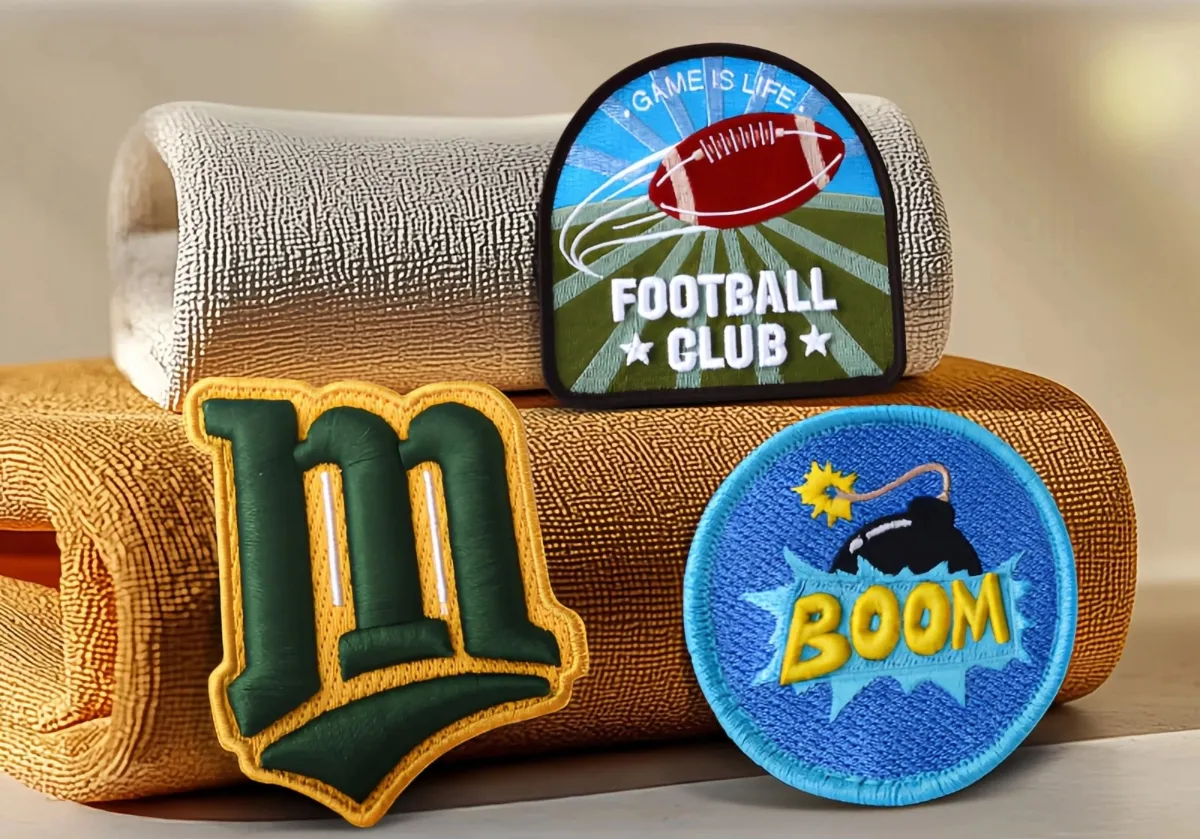
How to Start a Patch Business: The Ultimate Guide
The development of social culture has made patches a fashion symbol. People's pursuit of beauty and fashion has also continuously developed the use of patches, such as refrigerator magnetic patches, patch blind boxes, patch brooches, etc.
Creative applications in this regard have also attracted more people to buy. Market demand has also made people consider starting their own patch business and transforming from buyers to sellers. Let us take a deeper look at how to start a patch business.
The Ultimate Guide to Choose Custom Patch Makers
Custom patches are items imbued with personal style. From adorning clothing to becoming a symbol of a team, they are a medium for showcasing a person's unique personality and style.
This guide will introduce you to the world of custom patches, exploring different types, common challenges encountered during the customization process, and introducing you to reliable custom patch manufacturers. Let custom patches open up endless possibilities for your fashion journey.