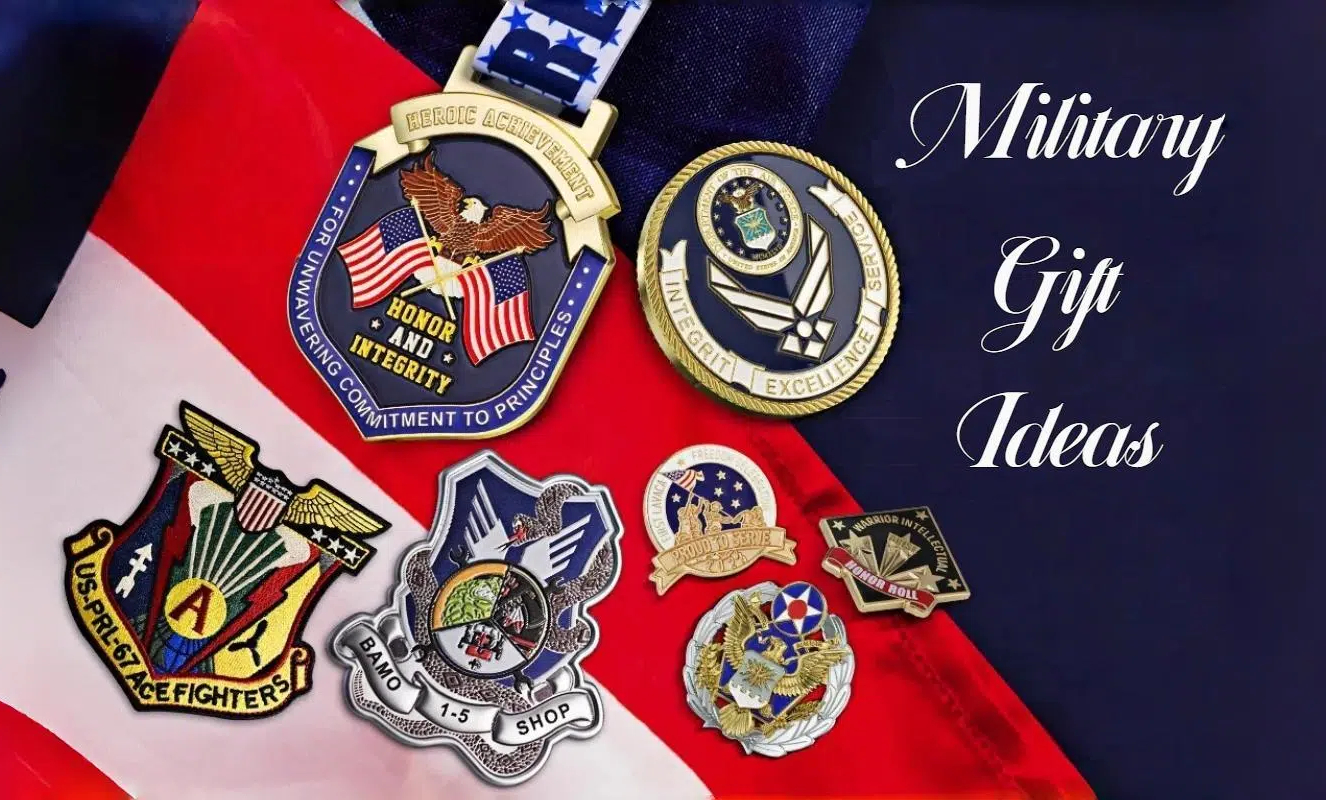



What are Military Patches?

Lea Alber
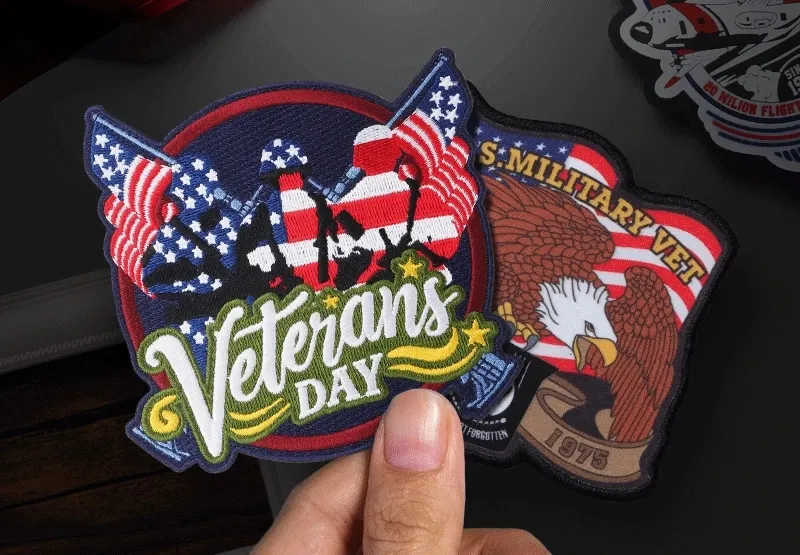
Patches are likely very familiar to you, as they are decorative items that we often use in our daily lives. However, military patches may be less familiar to you. Military patches are primarily used by the military or found among military enthusiasts. Overall, these patches are quite broad and include many different details.
I. What’s the proper way to wear military patches?
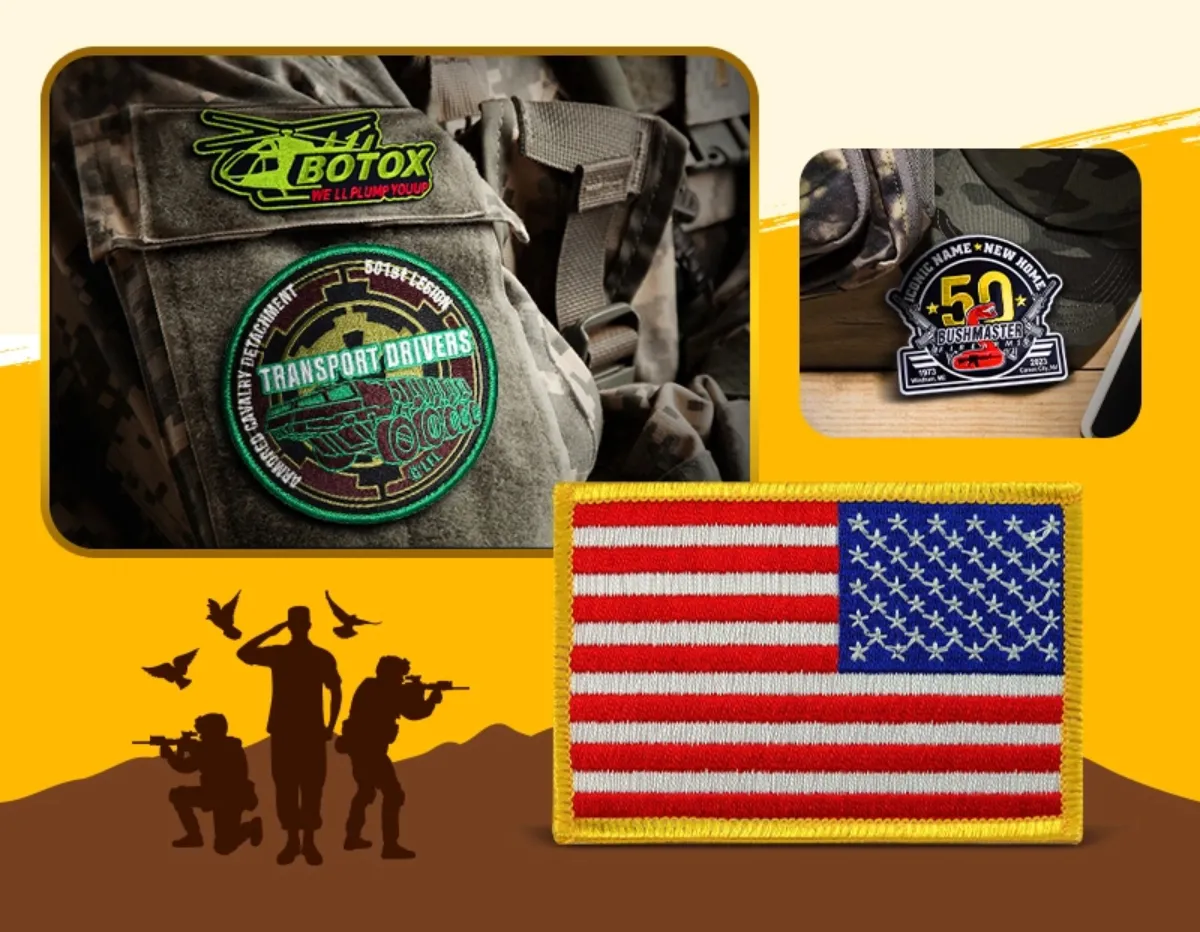 Patches are not merely decorations; they signify rank, branch, and tradition. Soldiers are required to wear them correctly; this is a matter of military culture and discipline.
1. Rules for wearing military patches
The correct placement for wearing patches is on the shoulder, chest, cap, or other approved uniform placement. After all, regardless of where the patch is worn, it is important to maintain cleanliness and neatness. Because let’s face it, damaged patches are not permitted, as they detract from your appearance.
2. Where to obtain official wearing regulations?
In order to standardize the wearing requirements of uniforms, relevant military departments have issued documents. After all, the Navy's Uniform Regulations and the Air Force's Dress and Appearance Guidelines. These documents combine the characteristics of uniforms and stipulate the different wearing positions.
II. What are the pin placement guidelines for the 4 branches of the military?
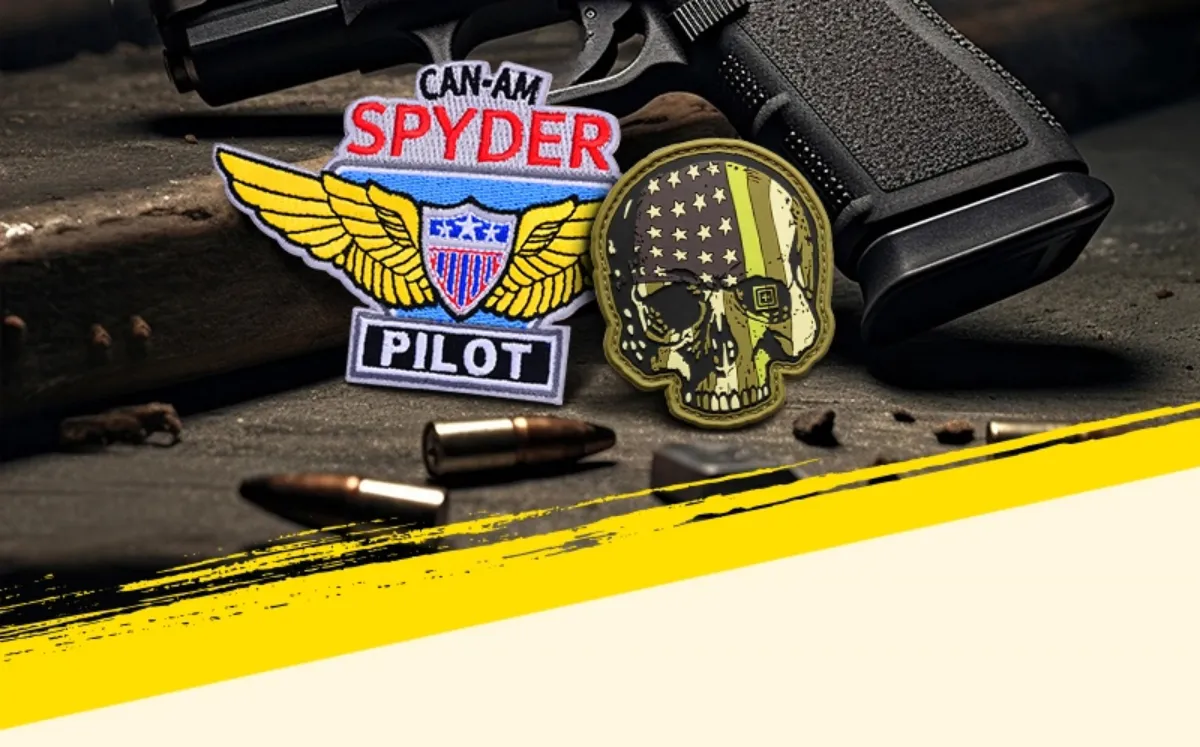
1. U.S. army patch placement and details
Army patches are typically worn on the shoulder. Common uniforms include combat uniforms for daily training and missions, formal dress uniforms for formal occasions, and training uniforms. Of these three types of uniforms, combat uniforms are the most commonly worn, while the other two types are less commonly worn.
Patches placed on the right shoulder are typically military organization patches and American flag patches. Most patches are placed on the shoulder, while name patches are often placed on the left chest, and unit patches are placed on the left sleeve.
2. U.S. air force patch placement standards
Air Force uniforms primarily consist of flight uniforms and combat uniforms. For instance, unit patches are typically placed in the middle of the left sleeve, right above the pocket. The logo design symbolizes flying wings.
3. U.S. navy patch placement rules
Navy patches are typically embroidered directly on the collar or shoulder panel and cannot be removed for use as separate patches. They are relatively fixed. Shoulder patches are often authorized based on mission requirements, and unit patches are placed on the left shoulder.
4. U.S. coast guard patch usage supplement
The unit patch is worn on the right breast pocket, while the flag patch, like in the other military branches, is on the right shoulder. The Coast Guard uses a combination patch system, utilizing both removable and sewn-on patches.
III. What types of military patches?
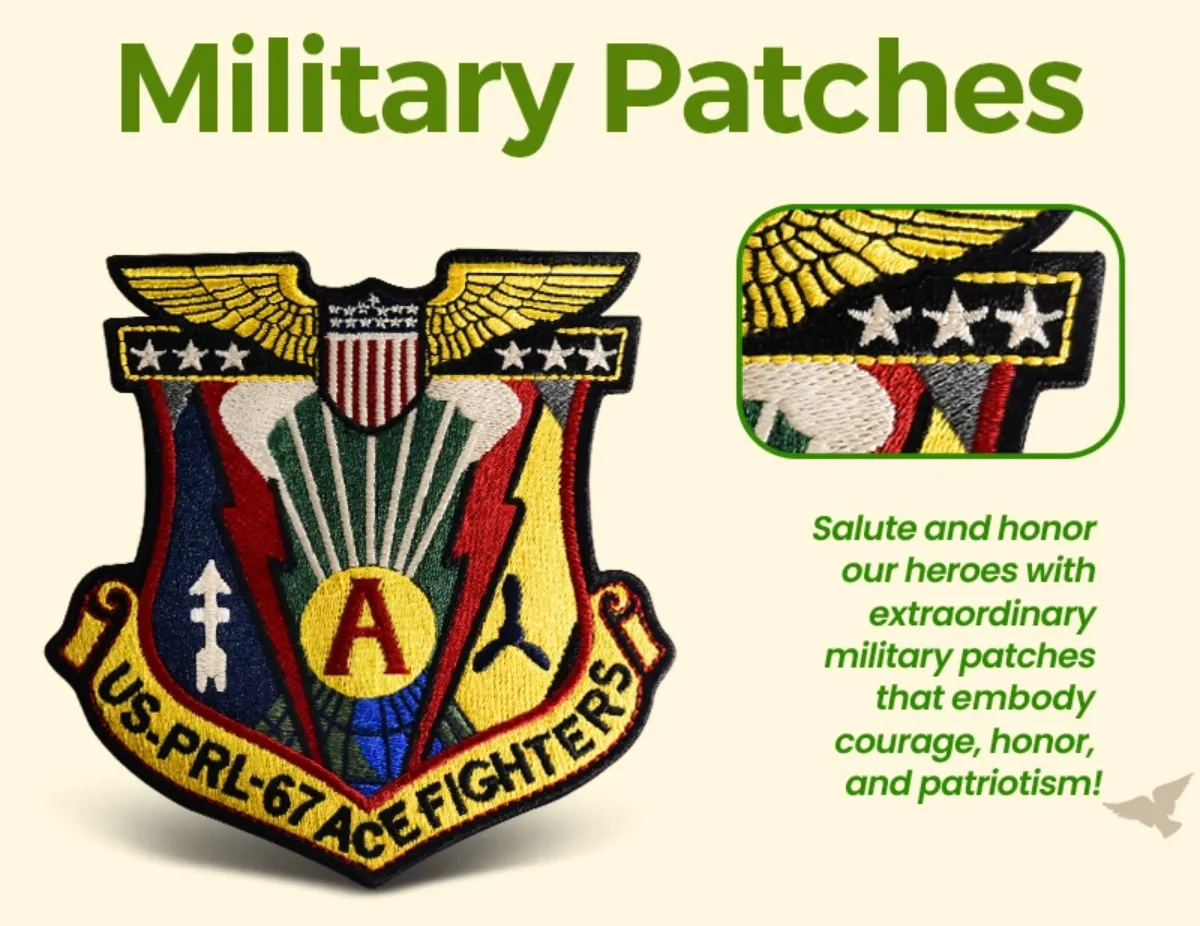
Ordinary patches are primarily categorized by their purpose: functional patches—used to cover damage, and decorative patches—used to express individuality and style. Military patches are designed mostly for practical identification, but they also add a decorative element. They have 4 main types:
1. Unit patches
The US Air Force eagle patch is a typical unit patch, identifying a soldier's unit and branch of service. These patches bear the insignia of the corresponding military unit and are worn on the shoulder or chest. Unit patches are also a very common type of patch in the military.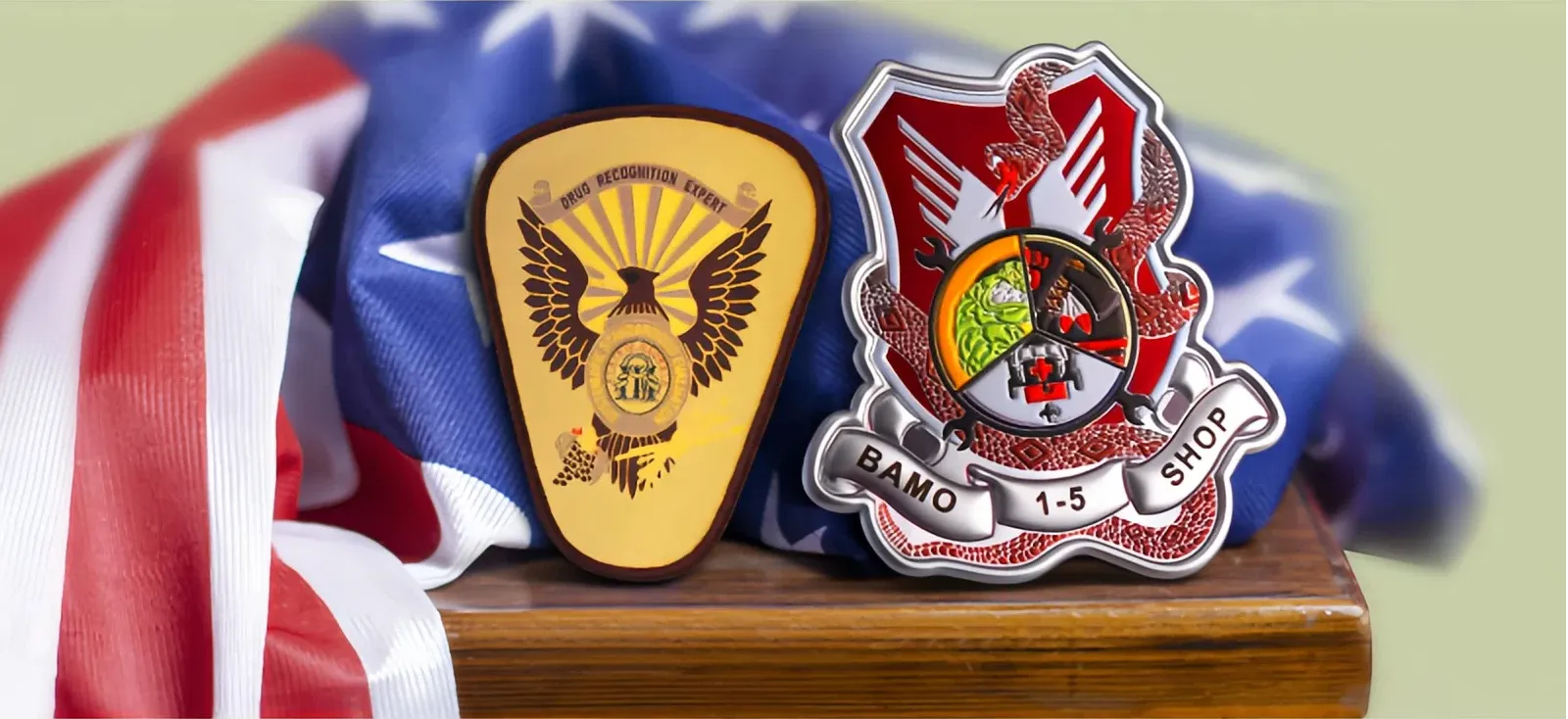
2. Functional patches
These patches can be seen on pilots, special forces, and other units. They indicate a soldier's role and serve as a symbol of status and professional skill.
3. Unit honor and commemorative patches
Like pins, patches can be divided into honor patches and commemorative patches. These are specially designed for important war commemorations and can be worn by soldiers at such events, but removed during other training and combat situations.
4. Field and camouflage patches
Camouflage patches aren't just worn by military personnel; you'll also see them on the uniforms of many military enthusiasts. They match the combat uniforms and are a military green color that blends in perfectly with the outdoor environment.
IV. How to sew patches?
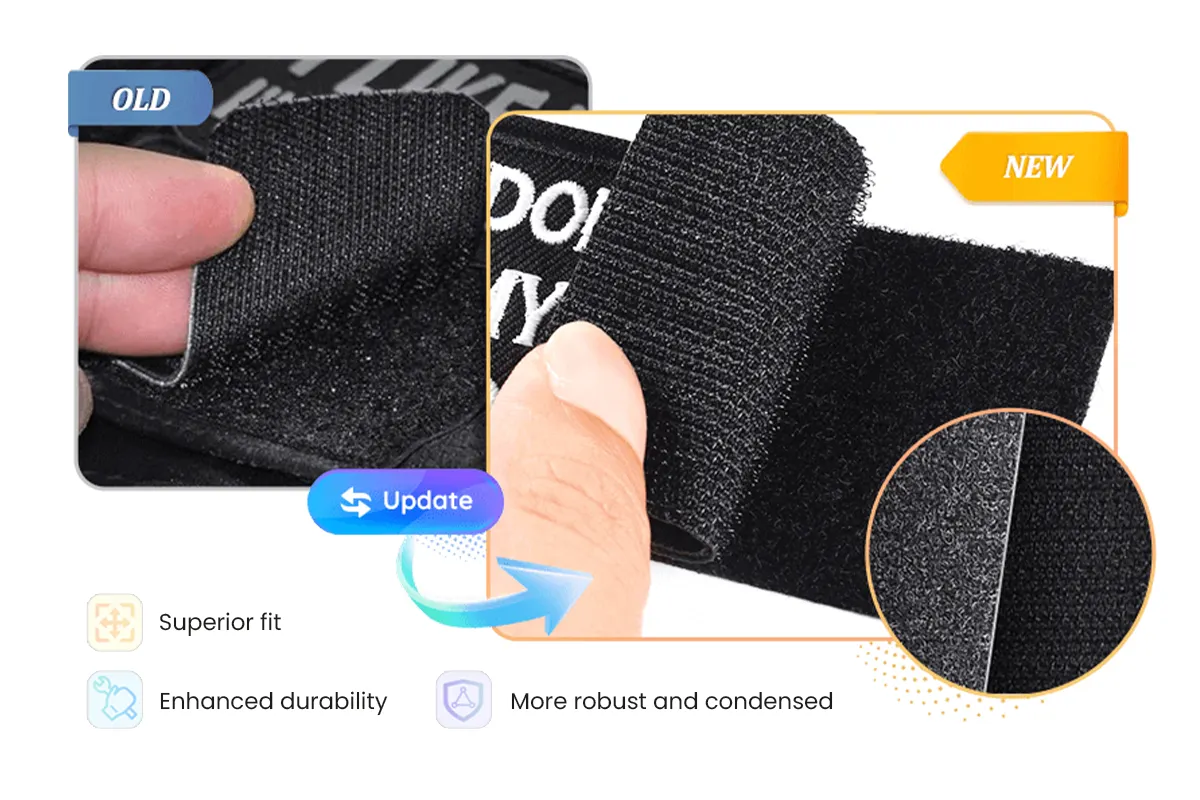
Most military patches use Velcro backings, which are quick and easy to attach and replace, making them more convenient; they only require a Velcro backing. Many manufacturers have also improved the Velcro process, making it more secure. However, for patches that require sewing or ironing, the following tips can be followed.
1. Correct sewing methods
Plastic backings: Requires adhesive or a needle and thread for sewing onto clothing. This is suitable for clothing with harder surfaces; softer clothing can easily wrinkle and cause errors. Iron-on backings: Simply iron with an iron. The high temperature quickly bonds the patch to the clothing and prevents it from falling off later.
Adhesive backings: Simply remove the protective film and apply the patch anywhere. Before applying, clean any excess lint from the surface of the clothing to ensure adequate contact and adhesion.
2. Precautions for using adhesive and velcro patches
Adhesive patches work pretty well for everyday clothes, but the thing is, after a bunch of washes or lots of wear, they can start to crack or even fall off.
Velcro patches are super handy, but you’ll want to clean them from time to time; otherwise, lint builds up and they don’t stick as well.
V. Tips for maintaining custom patches
1. Cleaning and maintenance of military patches
Washing: If your garment has patches, avoid washing them in a washing machine. The high temperatures and rapid spin cycles can easily damage the patches. For Velcro patches, remove them before washing.
Airing: High temperatures can easily cause patches to warp, so air drying is the best way to air-dry them.
2. Tips for removing or replacing patches
In case the old patch is damaged, put a new patch over it to avoid damaging the garment.
If the Velcro on the patch is not adhering well, change the Velcro base; a new base will stick better.
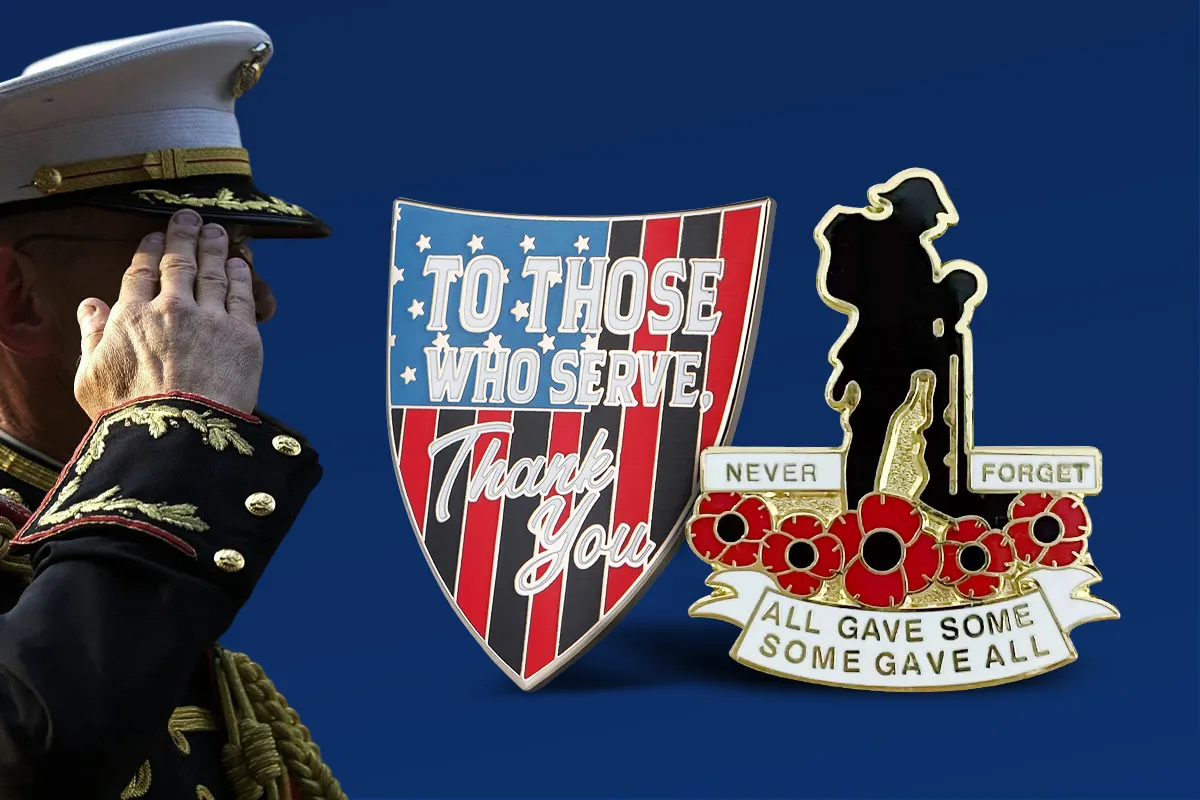
Military Pins: 6 Things You Need to Know
Pins are small and lightweight, and in the eyes of the public, they are seen as small decorative items attached to clothing, backpacks, hats, or other places. Pins are classified into numerous categories based on their purpose: campus pins, sports pins, or religious pins. Each pin has a different meaning.
Military pins are noteworthy, and if you delve deeper into the category of military pins, you'll find hundreds of different types depending on rank and branch of service. Also, Military pins have a long history as a tradition among American soldiers.

The Ultimate Guide to Choose Custom Patch Makers
Custom patches are items imbued with personal style. From adorning clothing to becoming a symbol of a team, they are a medium for showcasing a person's unique personality and style.
This guide will introduce you to the world of custom patches, exploring different types, common challenges encountered during the customization process, and introducing you to reliable custom patch manufacturers. Let custom patches open up endless possibilities for your fashion journey.

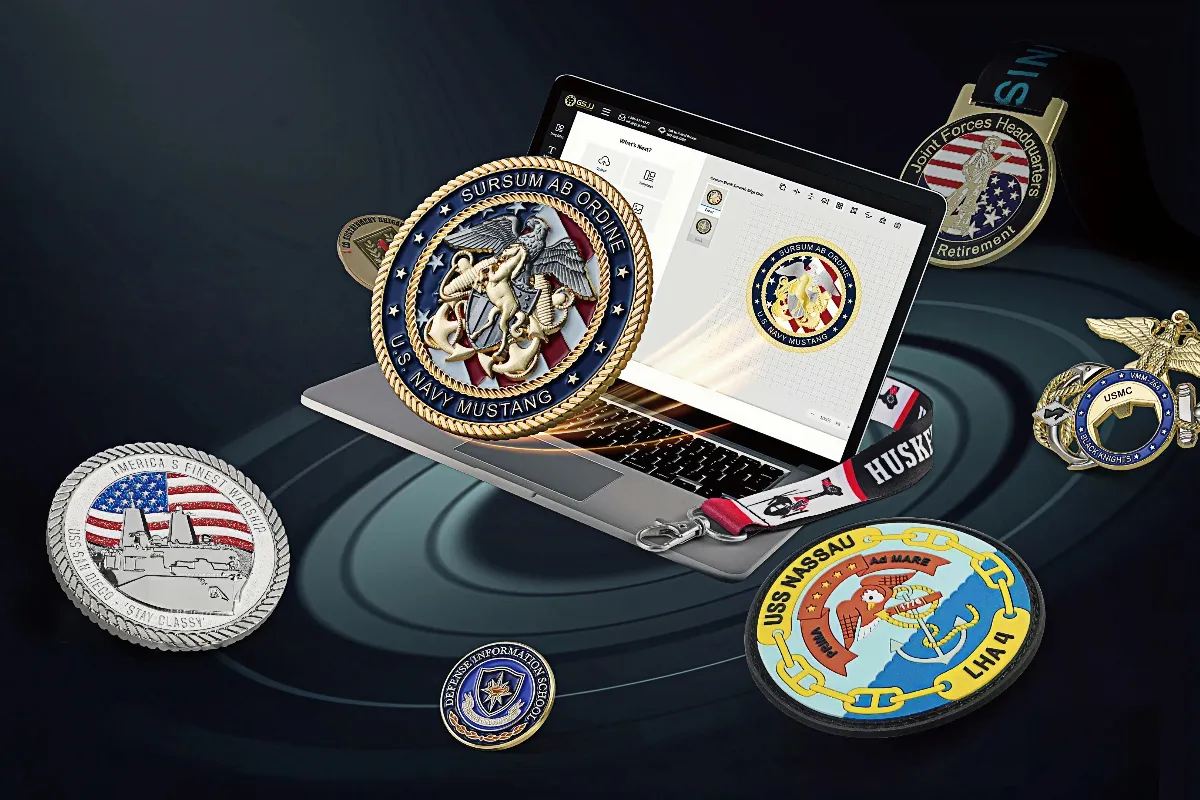
15 Unique Military Gift Ideas
Military members have a unique status in our lives. The task of finding the ideal gift for them isn't as straightforward as finding them something practical for daily use. Sometimes it may be a keepsake and other times, practical, military gifts can carry high esteem and future value.