



Knowledge Popularization Of Emblems–Military Emblems Of The U.S. Army

Ethan Carter
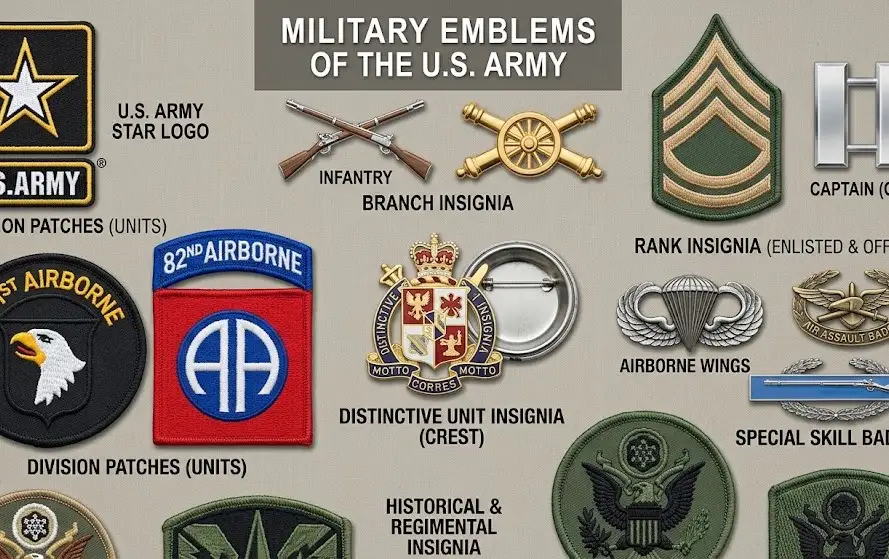
For lapel pins collectors, it is necessary to know the history of the pins. In order to let more enthusiasts know about the lapel pins they collect, today the editor of GS-JJ talks with you about the military lapel pins of the U.S. Army.
From Knight to Soldier: Formation of American Army Emblem System
In the long and distant feudal period of the Middle Ages in Europe, Knights often led to the tragedy of the fragmentation of friendly forces because they were difficult to distinguish between enemies and ourselves in the melee. So they decided to establish an identification method, that is, to paint their full or feudal designs and colors on their shields to show their identity.
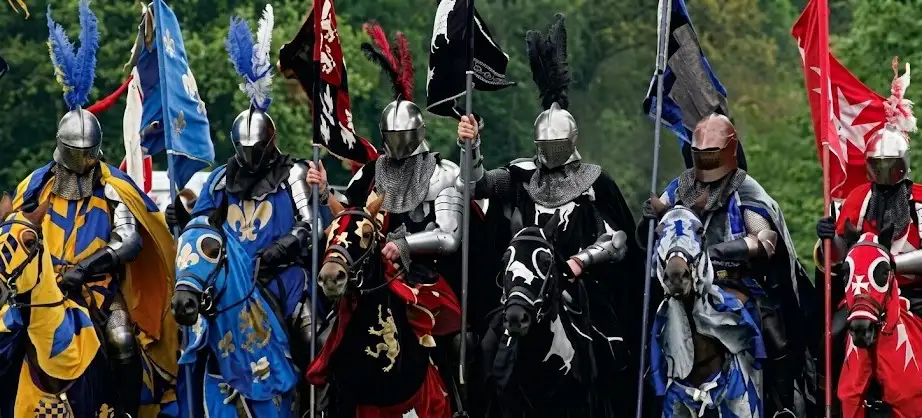
European Medieval Knight emblem style
From then on, the original emblem was born. After thousands of years of evolution and development, these emblems have become military meritorious medals nowadays. Their purpose and function are not only to show the status of soldiers, but also to commend the courage, skill, and patriotism of soldiers.
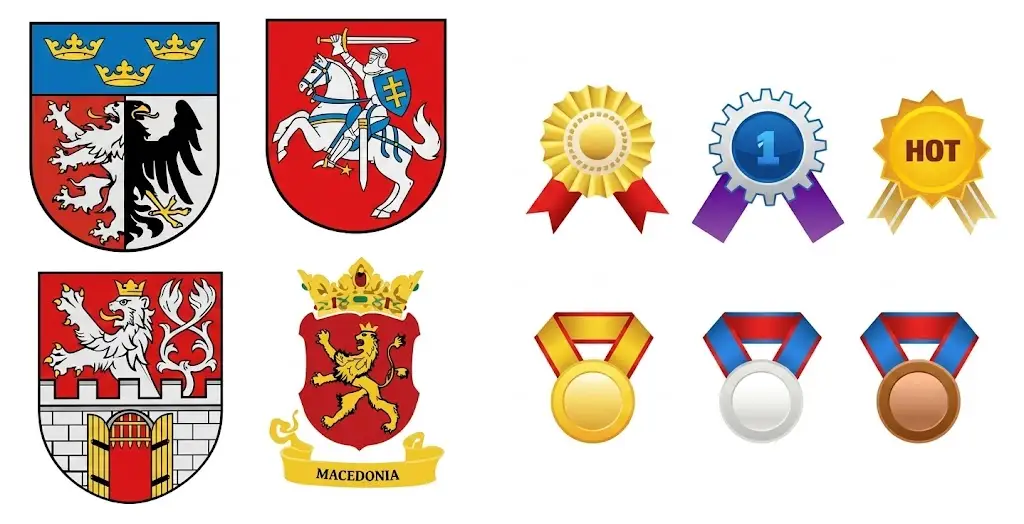
From Shield Mainstream Design to Medal Mainstream Design
During the War of Independence, in order to highlight the difference between the American political system and European aristocracy, the US army had no emblem or medals.
Until the outbreak of the American Civil War, American troops without badges often had some problems in command because they lacked clear military logos. Only then did the U.S. Army decide to establish its own emblem system.
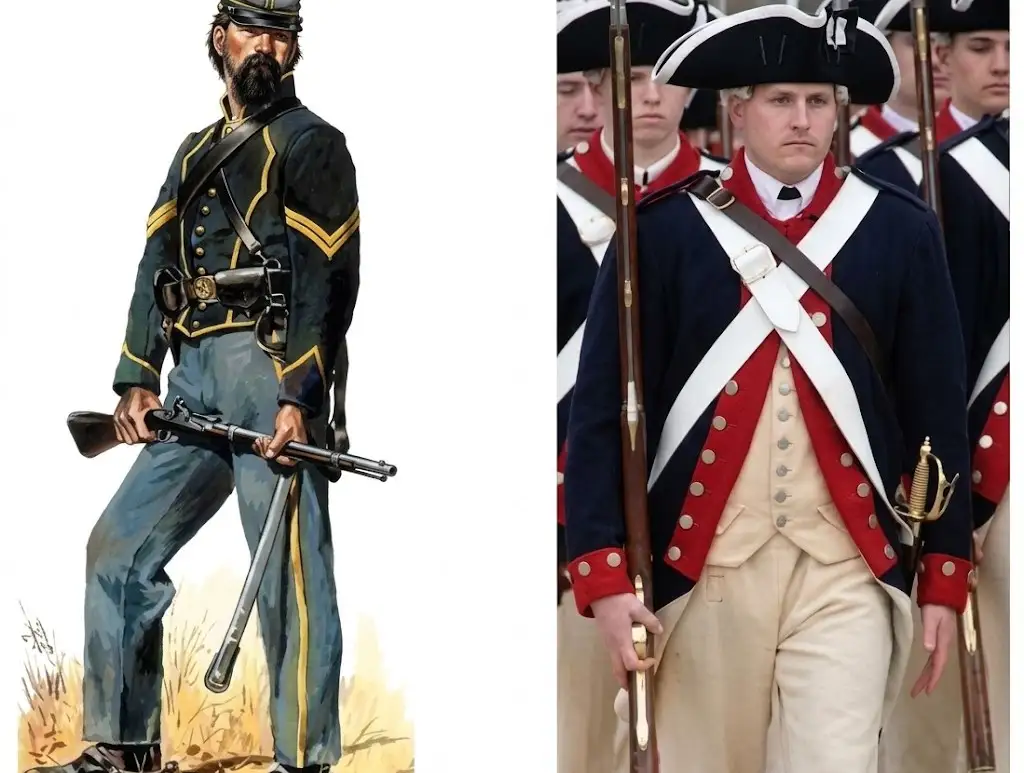
(The design of the rank of the soldier in the arm can be clearly seen by comparing the military uniform of the American Revolution (right) with that of the Civil War (left).)
It wasn’t until 1960, when the United States established the Heraldry Institute, that the American emblem really became a system and became the emblem of the United States Army as we know it today.
With the continuous improvement of the Research Institute of heraldry, the design of American military emblem is becoming more and more beautiful and generous, and the symbolism of various kinds of emblems is prominent. It has exerted a tremendous influence on the countries of the world, especially the major allies of the United States. All kinds of imitative emblems have become the mainstream of today’s military lapel pins.
Rank Identification Emblem – Officer Class
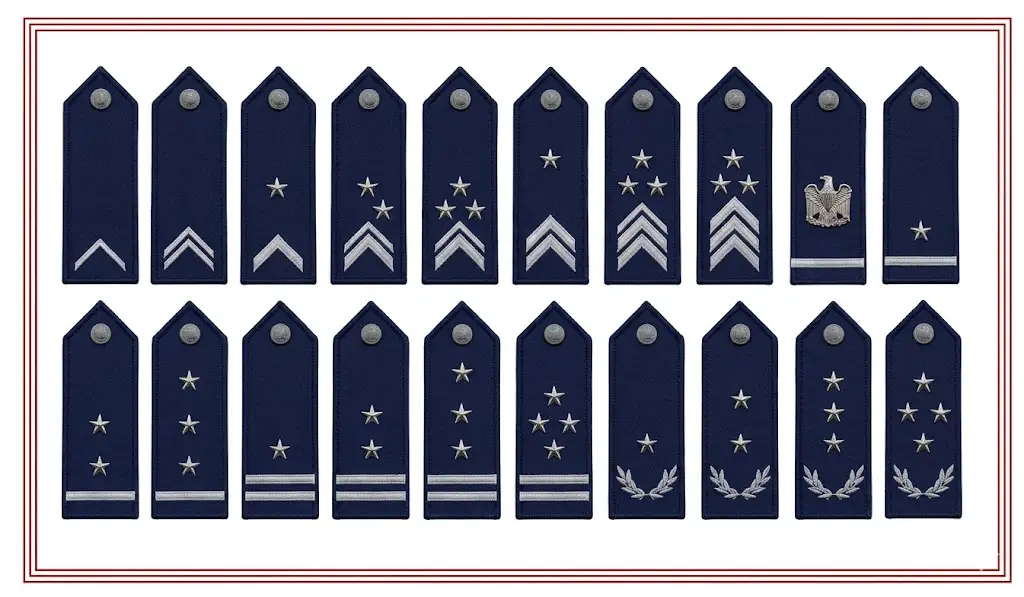
The ranks used by active U.S. officers are 11 levels. From top to bottom, they are: five-star general, general, lieutenant general, major general, brigadier general, colonel, major, captain, lieutenant, and lieutenant.
Stars refer to the ranks of silver stars used by generals. The General of the United States has five ranks, namely “five-star general”, “general”, “lieutenant general”, “major general,” and “brigadier general”.
The five-star general is a unique rank of the U.S. Army, comparable to Marshal, and only awarded this rank in wartime. Once serving as a five-star general, he will serve for life.
The reason why the United States did not adopt the term “Marshal” is that General Marshall is out of admiration for his mentor, General John Joseph Pershing.
He believed that ranks such as Marshal might undermine General of the Armies, which was unique to General Pan Xing.
Hierarchical Identification Stamp – Sergeant Category
In theory, the ranks of soldiers are divided into nine grades, but some ranks can have multiple ranks, such as corporal ranks, and various professional technical soldiers (also known as experts or technicians). Although all ranks are the same, corporal ranks are higher in wartime command.
It’s easy to confuse people who don’t know about it, but with the following diagram, the U.S. Sergeant system looks very clear.
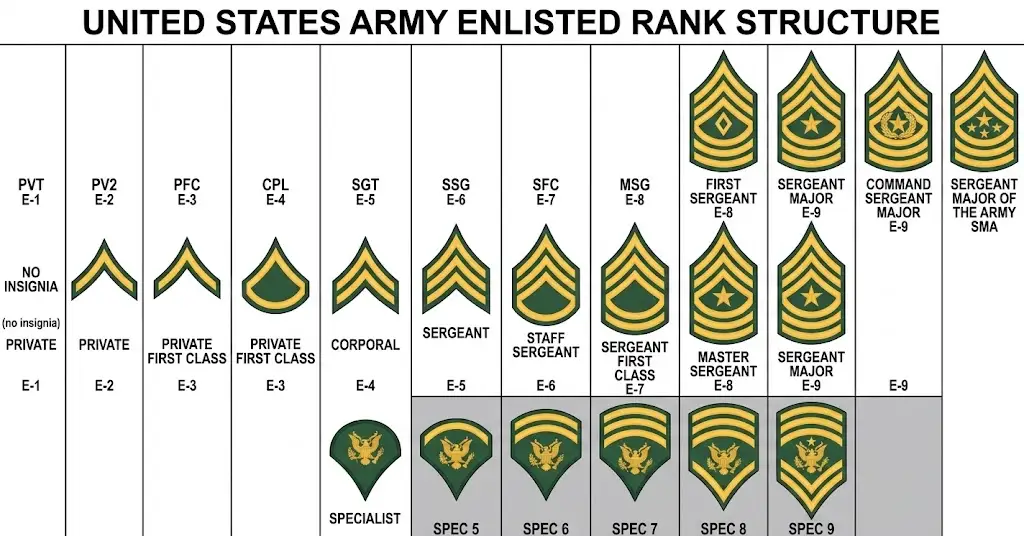
Schematic diagram of the rank structure of a sergeant
According to the classification, from left to right are:
New recruits, soldiers, first-class soldiers, corporals, sergeants, first-class sergeants, second-class sergeants, sergeants
According to command priority, from top to bottom:
Grass-roots commanders, soldiers, experts
Unlike the rank of an officer, the rank of a soldier is expressed in V. This is mainly derived from the prism structure of an ancient European castle. In Europe, Knights like to paint V on their shield to show their military merits. Generally, a knight’s shield has several V’s, which means that the knight has captured several castles.
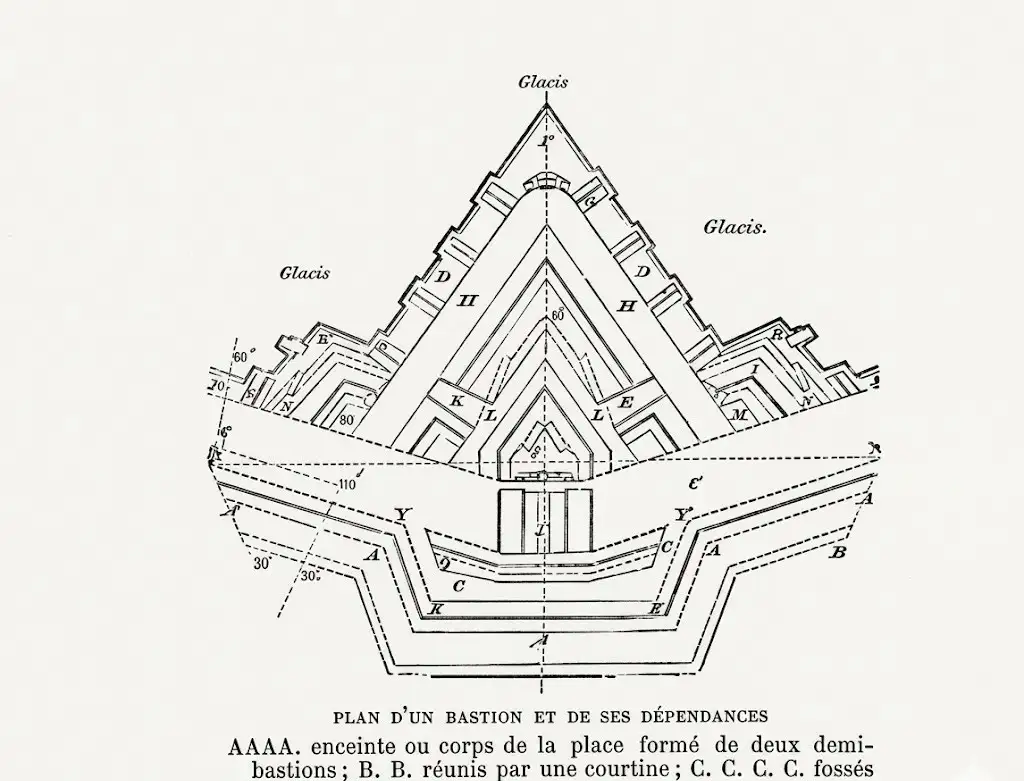
Classical European Prism
In the United States, the ninth Sergeant Sergeant is divided into three categories: sergeant-in-chief, commander-in-chief, and chief sergeant-in-chief. Among them, the chief sergeant is the highest honor of the soldier, and only one service is set up.
Arms Recognition lapel pins
Since the beginning of the twentieth century, the U.S. Army has adopted the form of emblems to represent the military, such as a horse-knife cross for cavalry, a rifle cross for infantry, and so on. The military identification emblem is usually a collar, worn on the collar of the dress.
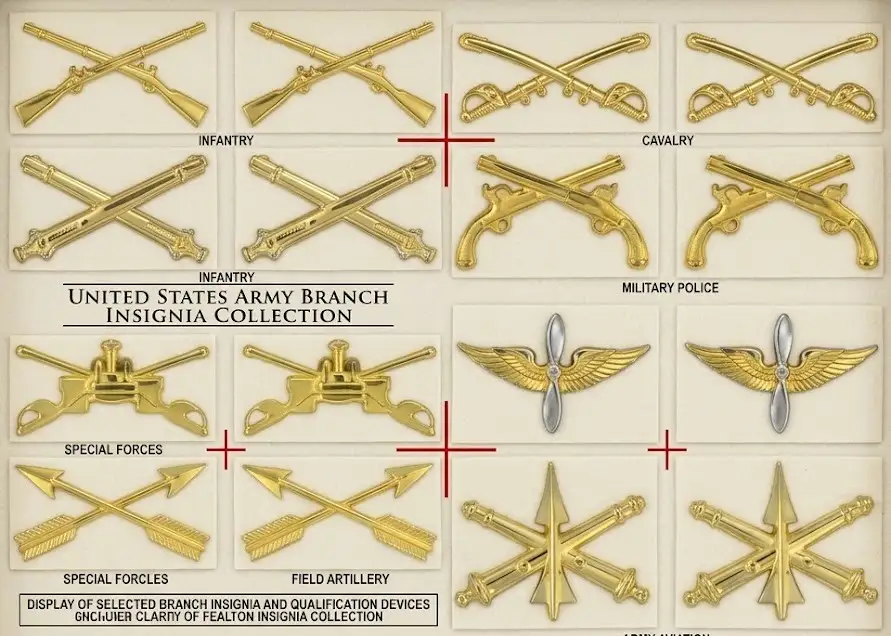
Arms Recognition lapel pins
In addition to the collar lapel pins, there are also cap lapel pins attached to the hat, which together constitute the military identification emblem.
It is worth mentioning that the leadership functions of military commanders have already gone beyond the professional scope of a single service. So the officer’s military identification lapel pin does not distinguish between military categories.
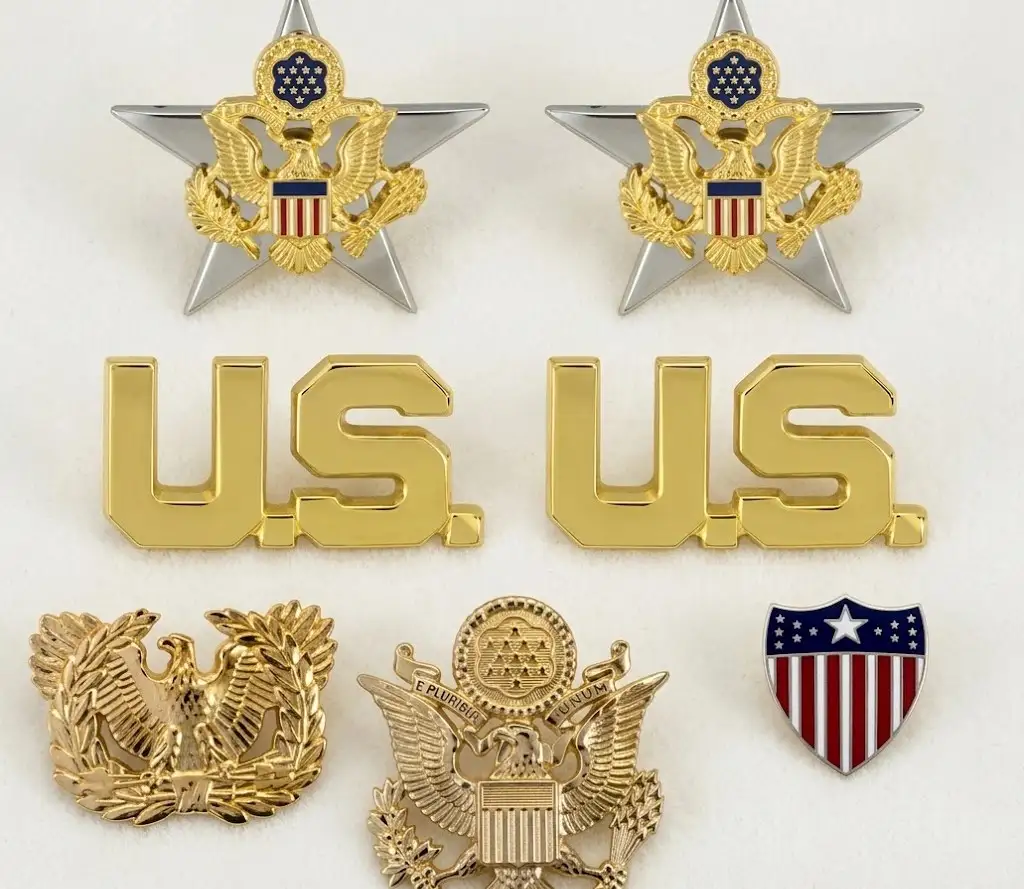
USA lapel pins
Medal of Merit and Medal of Qualification
This kind of badge is collectively called an award, literally translated as a prize, which is the traditional military medal. Encouragers act heroically in wartime or are rewarded for their achievements in peacetime positions.
According to rank, medals can be divided into four major grades:
1. Medal of Honor
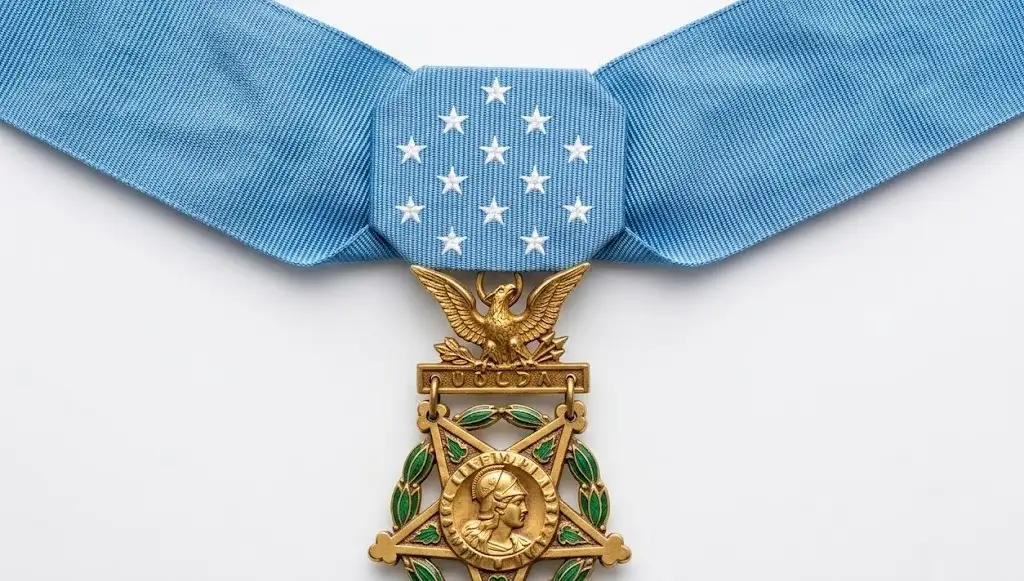
The highest-ranking Medal of the U.S. Army for wartime heroism.
2. Cross
The full name Cross of Excellence in Service is awarded to those who serve in the Army in any capacity and perform well in battle with the enemy, but do not receive the Medal of Honor.
3. Silver Star
The conditions for the Silver Star Medal are the same as those for the Cross of Excellence in Service, but the degree of bravery is slightly lower, and the behavior is obvious.
4. Bronze Star
The conditions of the Bronze Star Medal are much lower than those of the above three medals, including those who have made outstanding contributions to their posts in peacetime. But as the most important personal honor of the United States, those who won the Bronze Star Medal must perform very well.
In addition to this, there is the Purple Heart Medal, the earliest in the world for soldiers.
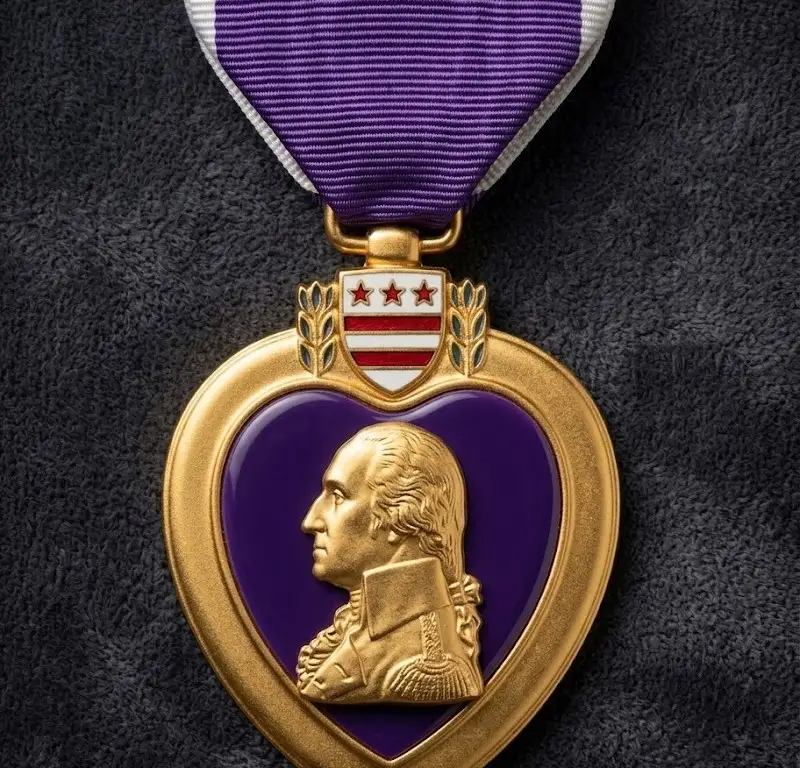
Bronze Star
Most of these medals include full-size, small-size, and outline medals, a total of three versions, except for the Purple Heart Medal.
Full-size medals are like Olympic Championship medals. Full-size medals are usually awarded on medal-awarding occasions. (The Medal of Honor in the picture above is a full-size version)
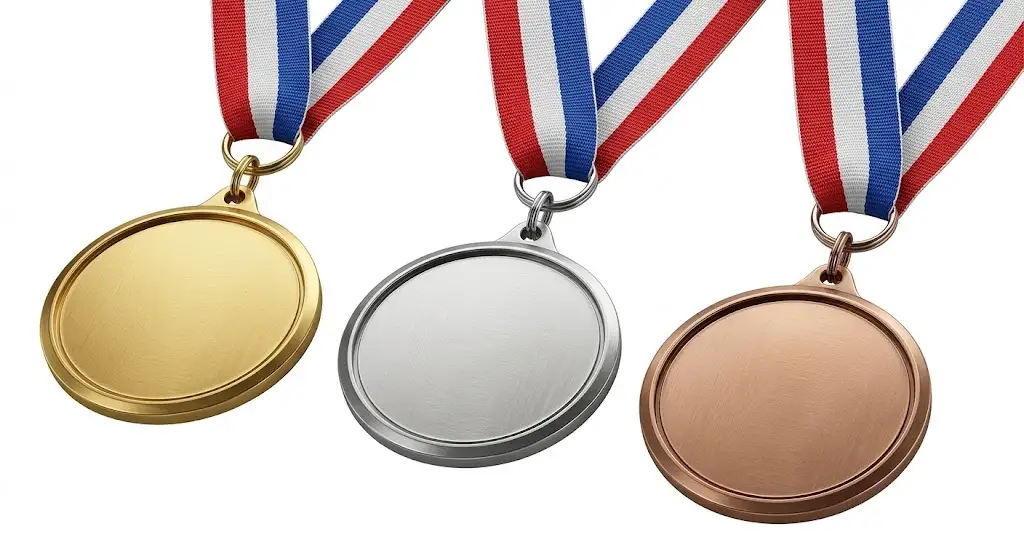
Traditional full-size medals
Small-sized medals are often seen on television, not in the chest medals that used to be worn at some formal occasions. Leaders of some countries have an almost obsessive preference for small-sized medals, such as the Medal and Armor-proof Comrade Brezhnev.
Of course, on informal occasions, no one carries such heavy medals, so we have a brief chapter, that is, the small squares on the chest of generals in American movies.
Operational Skills Emblems
In European and American families, only American medals, regardless of origin, can be obtained for military merit, and American medals are practical and more in line with the needs of the times.
Operational Skills Lapel Pins
Operational skill stamps are usually fitted on the right chest.
This category is awarded to soldiers who have mastered various combat skills and actual combat experience, in order to reflect their professional skill level in a military career. This kind of medal is more similar to something like a certificate of graduation.
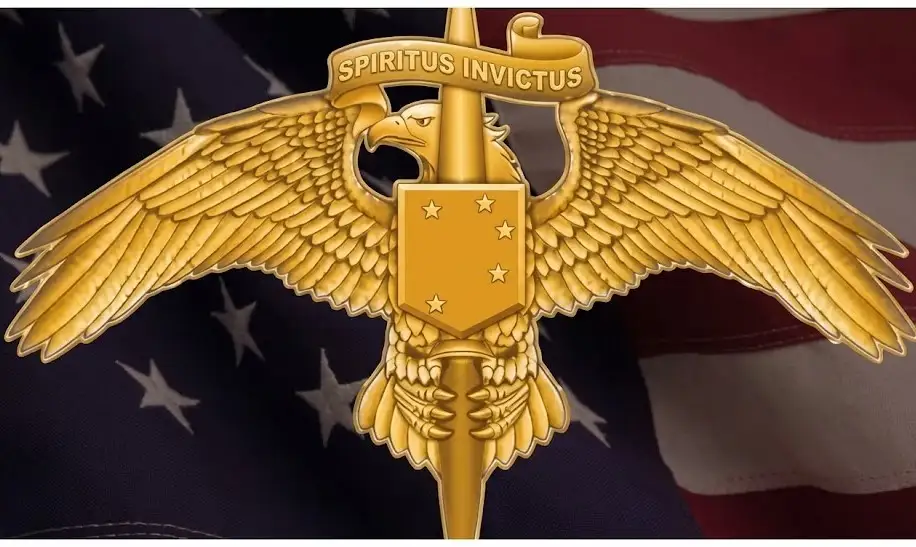
Special Forces Combat Skills Lapel Pins
Generally, this kind of medal can only be obtained through professional training experience. Only a few, such as the Battle Infantry Stamp and the Battle Medical Lapel Pins, need actual combat experience.
Unit identification emblems
Arm patches are commonly used in military identification emblems.
This kind of representation is mainly used to distinguish troops. Unit identification patches represent the teamwork and cultural heritage of the U.S. Army. After World War II, almost every unit – from the Ministry of Defense to the Department of Staff to the platoon – had its own armband, although this is not an officially recognized practice.
The armband was first made in World War I by the soldiers of the 81st Infantry Division in order to identify each other, so the whole division was brought to the military court. At the earliest time, General Pan Xing, the American Expeditionary Army, ruled that armbands were allowed to be used in the army and extended to all Expeditionary Forces.
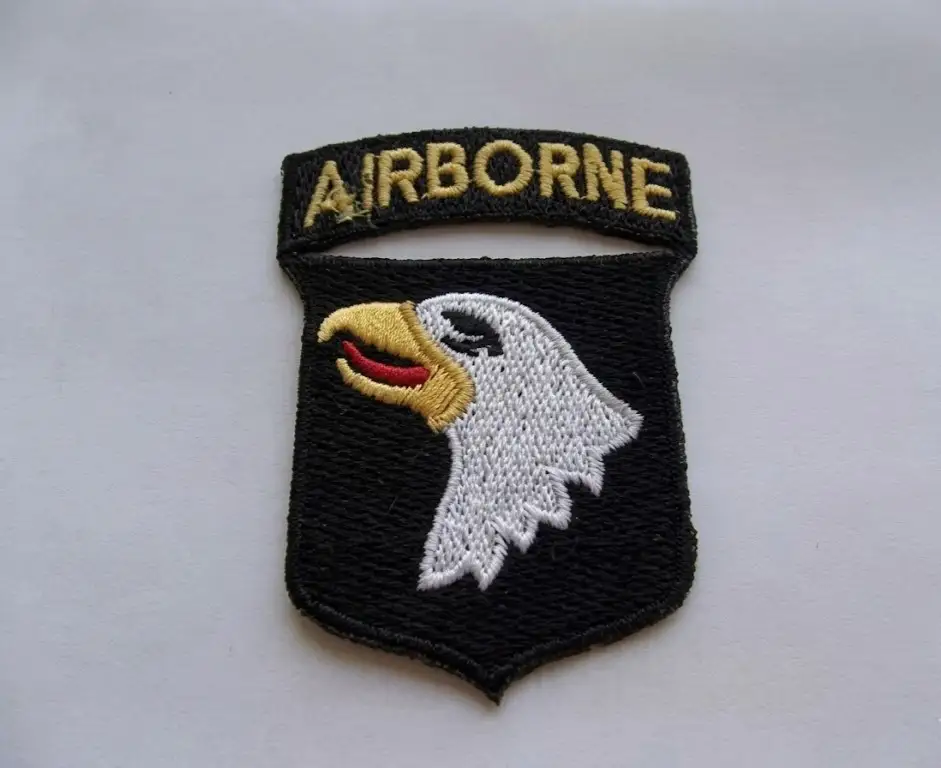
The famous 101 Airborne Division armband
The popularization of military emblems is over now. We hope our science popularization can bring some help to enamel lapel pin collectors or enthusiasts. If you want to know more about lapel pins, you can enter: https://www.gs-jj.com/blog/. Of course, if you need custom pins, please click: https://www.gs-jj.com/. There are custom military award medals, military patches, or military custom lapel pins; welcome to order.
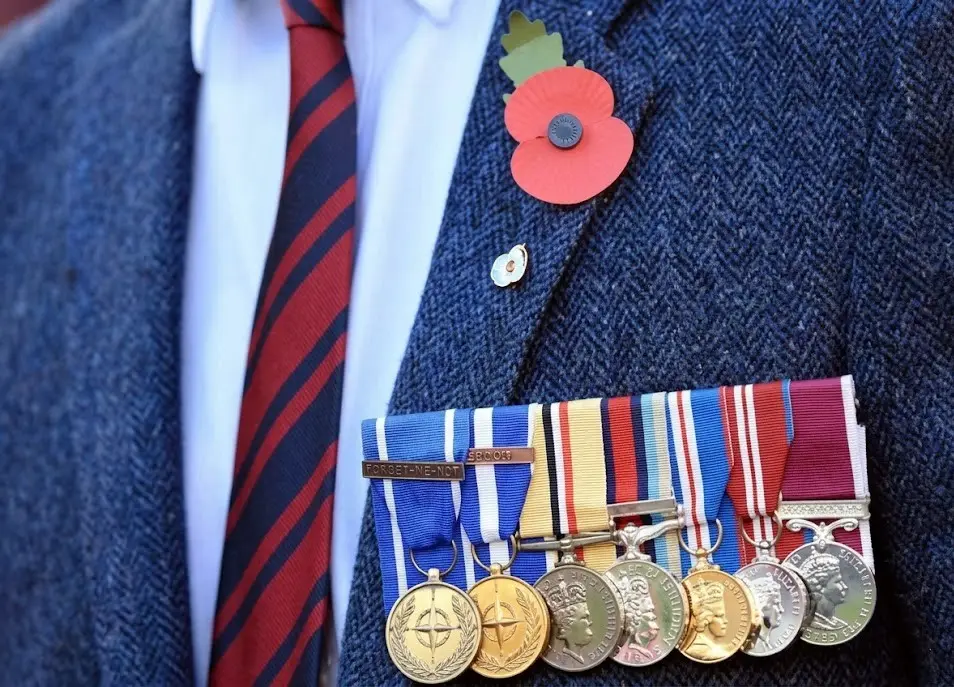
How to Wear Military Medals?
Military medals are the highest honor in the military, including the Army, Air Force, Navy, Marine Corps, and Coast Guard.
Military medals are mostly designed and made by the military department. If you look carefully, you will clearly find that there are fewer long medal ribbons used.
Because soldiers don’t wear them around their neck but in front of their chest. They usually use short medal ribbons. These ribbons are multi-colored. The size (1.25”)of custom military medals is small for easy wearing and beauty. Too large seems to be stiff.
Usually, lots of military award medals are worn. Military medals have a magnificent meaning for each soldier.
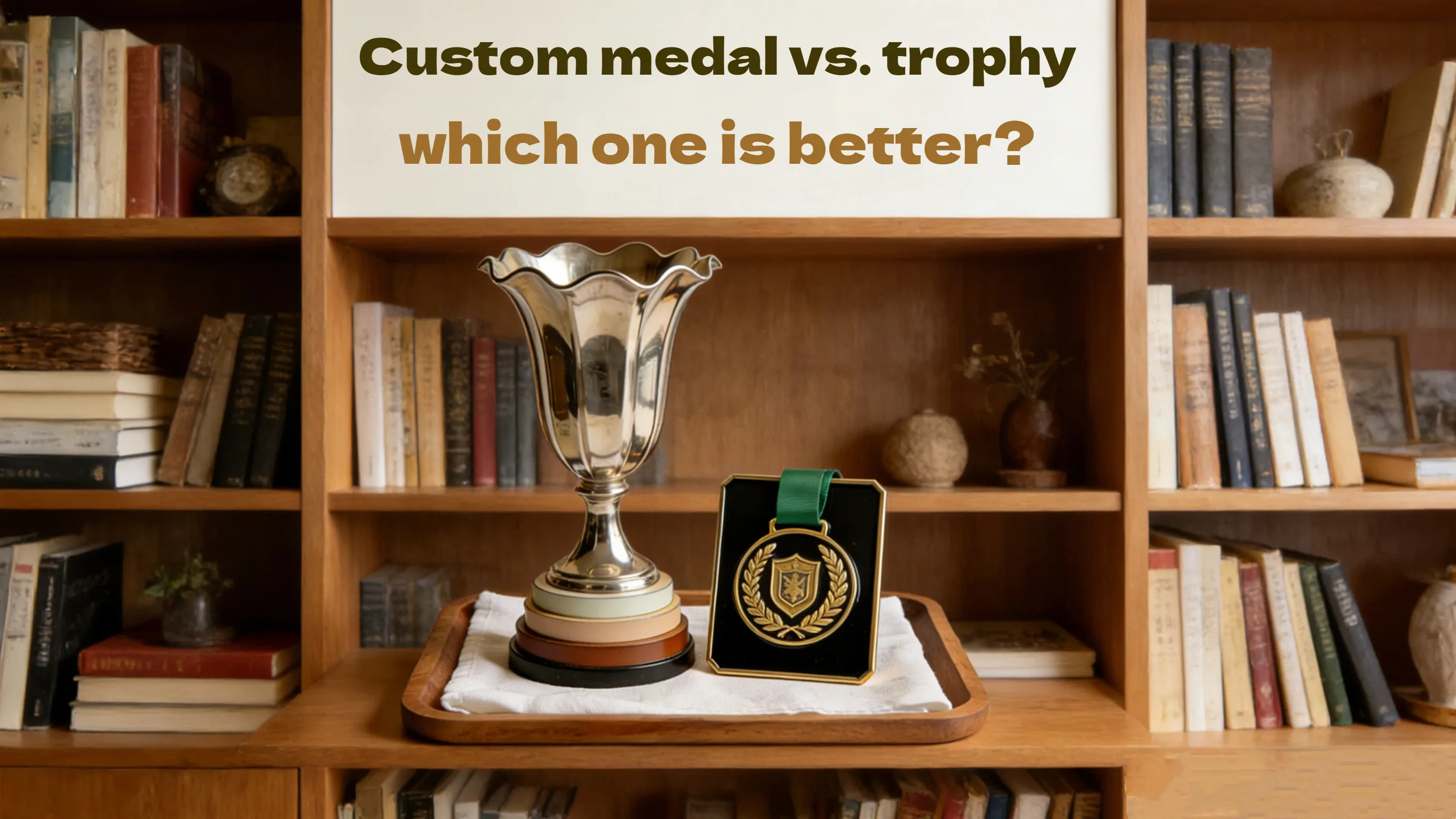
Custom Medal vs. Trophy:Which One is Better?
Medals and trophies have been previously acknowledged as the classic awards in sports, corporate, school, and even team-building activities. Besides being a sign of honor, they also represent hard work and victory. Still, the same question troubles most organizers: custom medals or trophies, which one is better?
In order to present to you the advantages and disadvantages of the different types, as well as their similarities, through the following points: structure, materials, cost, meaning, and usage scenarios.

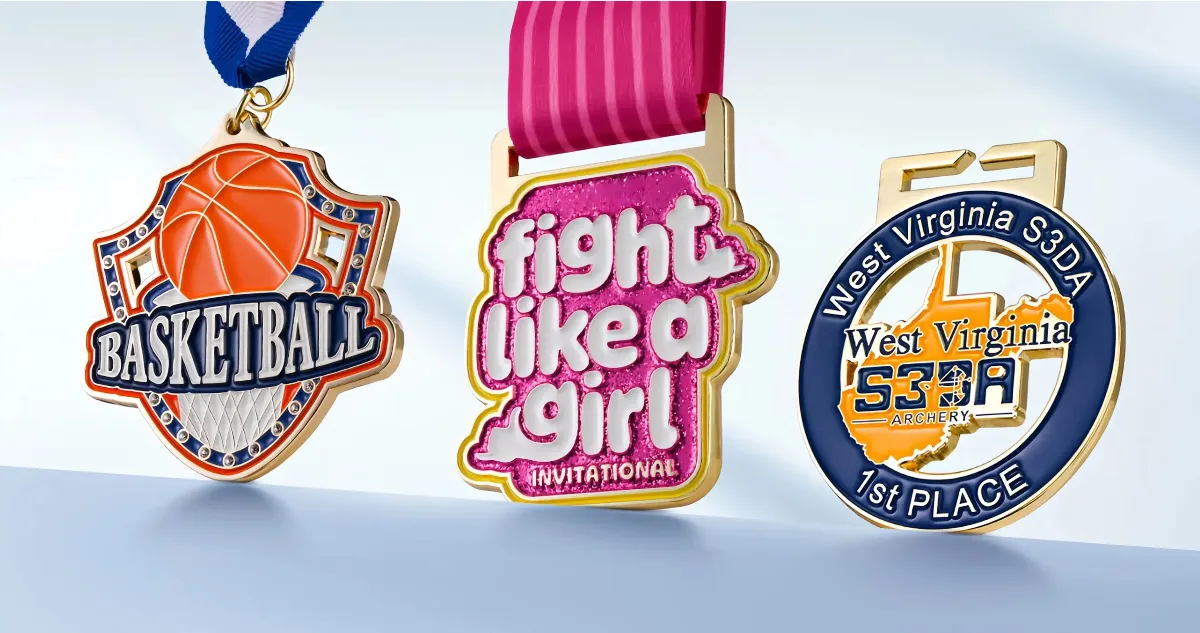
How to Choose the Right Medal Size?
Medals signify respect and honor. Medals often have a special meaning to these athletes because they represent respect and recognition in the public eye for their strength, and of a reward for their success.
Sports events are just one of the scenarios where medals are used; we also see medals at company celebrations and academic competitions. A closer look reveals that medals come in a variety of sizes. While you might think they're simply a design choice, the following information will explain the many factors involved in choosing the right medal size.