


Karate – a martial art

Ethan Carter
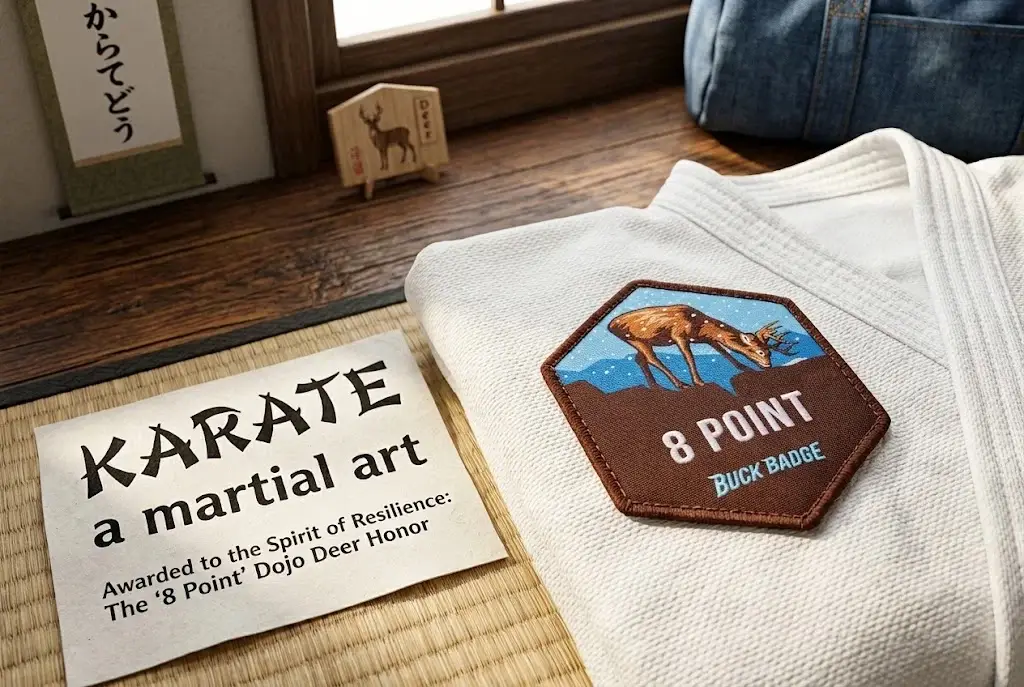
The word karate is derived from the Japanese characters kara and te, meaning empty hand. The suffix -do is added to include the word “way.” Karate then is a way of life, and not just a fighting fashion. It is a self-defense mechanism that incorporates concepts for self-improvement and greater focus and awareness. The practice of karate can be summed up in three aspects basics, forms, and sparring. Karate is a striking art that teaches punches, kicks, open-hand strikes and self-defense tactics while practicing proper breathing to harness strength from within. Many karate styles allow the use of weapons (such as nunchucks) as well for fending off an enemy. Derived from farming tools, some of the weapons originated centuries ago at a time when weapons were banned in Okinawa.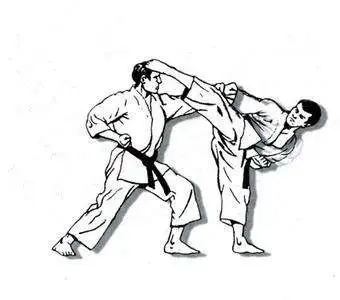
What is Karate?
The word karate is derived from the Japanese characters kara and te, meaning empty hand. The suffix -do is added to include the word “way.” Karate then is a way of life, and not just a fighting fashion. It is a self-defense mechanism that incorporates concepts for self-improvement and greater focus and awareness. The practice of karate can be summed up in three aspects basics, forms, and sparring. Karate is a striking art that teaches punches, kicks, open-hand strikes and self-defense tactics while practicing proper breathing to harness strength from within. Many karate styles allow the use of weapons (such as nunchucks) as well for fending off an enemy. Derived from farming tools, some of the weapons originated centuries ago at a time when weapons were banned in Okinawa.
History of Karate
Karate is a Japanese martial art whose physical aspects seek the development of defensive and counterattacking body movements. The discipline and unremitting efforts required for training promote this. Karate is a centuries-old fighting system. It’s described as a martial art or a fighting method that involves a number of techniques to disable an opponent. Okinawa, 400 miles south of Japan, is the birthplace of karate. Karate became popular in the late 1300s when trade relationships were established between the Ryukyu Islands and the Fujian Province of China. This event spurred many families to relocate to Okinawa where they would share a blend of Chinese and Indian fighting styles known as Kenpo. Eventually, the techniques evolved and people began incorporating Southeast Asian influences. Karate did not become an accepted mainstream method of fighting until centuries later. Anko Itosu is credited as the grandfather of karate because he created a simplified system of forms for novice students. Many of Itosu’s forms are widely practiced today. In the Western world, karate is viewed as art that instills confidence, cooperation, strength, and self-discipline in those who practice it. People of all ages can learn karate, and there are throngs of schools that teach various styles to eager learners.
Why Karate?
Self-defense is just one of the many reasons people turn to karate. Among the other important reasons are:
Focus: Karate helps practitioners focus as they learn to follow methodical movements and deep breathing to center the mind and body.
Physical Fitness: Through the practice of basic movements, a karate practitioner becomes more balanced, flexible, coordinated, and physically fit.
Confidence: Karate teaches students to overcome fear. As a student builds his or her endurance and works toward mastering basic movements, he or she naturally develops an improved self-image and confidence in his or her abilities.
Combination of custom patches and karate:
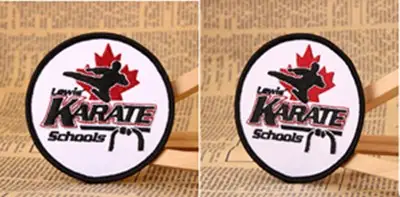
Karate enthusiasts know that their uniform is a source of pride, and should always be clean and free from wrinkles or debris. A spotless uniform is a visible, unspoken sign of self-respect and discipline. It shows reverence for one’s instructor, classmates, and the dojo (studio) where the student hones his or her skills. Karate Custom Patches are bold emblems that mark achievement and add value to any uniform.
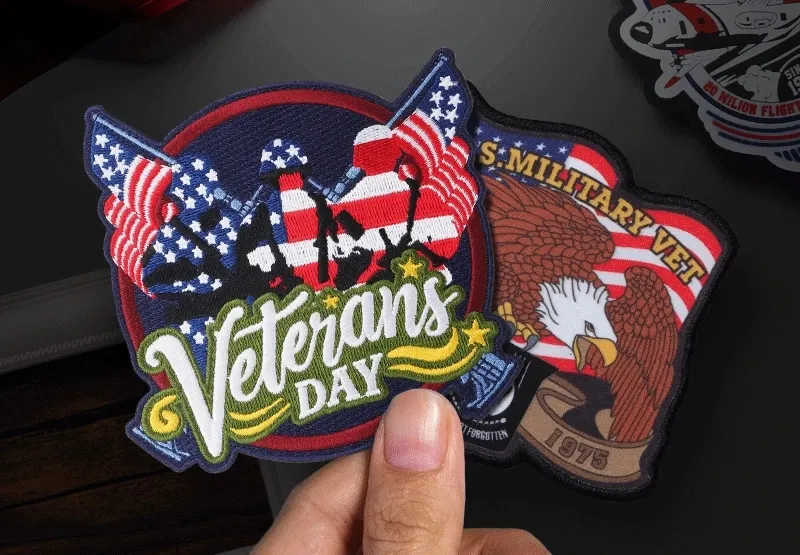
What are Military Patches?
Patches are likely very familiar to you, as they are decorative items that we often use in our daily lives. However, military patches may be less familiar to you. Military patches are primarily used by the military or found among military enthusiasts. Overall, these patches are quite broad and include many different details.


How to Design a Patch?
Patches are not only decorative accessories; they are potent symbols of identity, belonging, and creativity. Patches (whether incorporated by military units, sports teams, businesses, or people) can tell a story, represent beliefs, or express trends of style.
Patch design involves weighing creativity against function to ensure the final product is simultaneously attractive and functional. Patches are highly customizable and are more than just a few clever colors, shapes, and materials. To set you on a better footing before getting into the nuts and bolts of colors, shapes, and materials, it is important to know a few aspects of patch design and also the essential elements that will impact the outcome of your patch design.

How to Remove Iron-On Patches?
Iron-on patches are wonderful to customize or adorn your apparel with, but when the patch has expired or is broken, or you wish not to have the patch set in your garment, you must have it removed. Iron-on patches need utmost caution for removal, or they will spoil the garment, or the custom patches will adhere to the garment.
In this tutorial, we will discuss what to check before iron-on patch removal, removal of the iron-on patch, how to deal with residue glue, and preparation of the garment for removal.