



How to Avoid Costly Mistakes in Bulk Custom Keychain Sourcing

Adeel Qayum
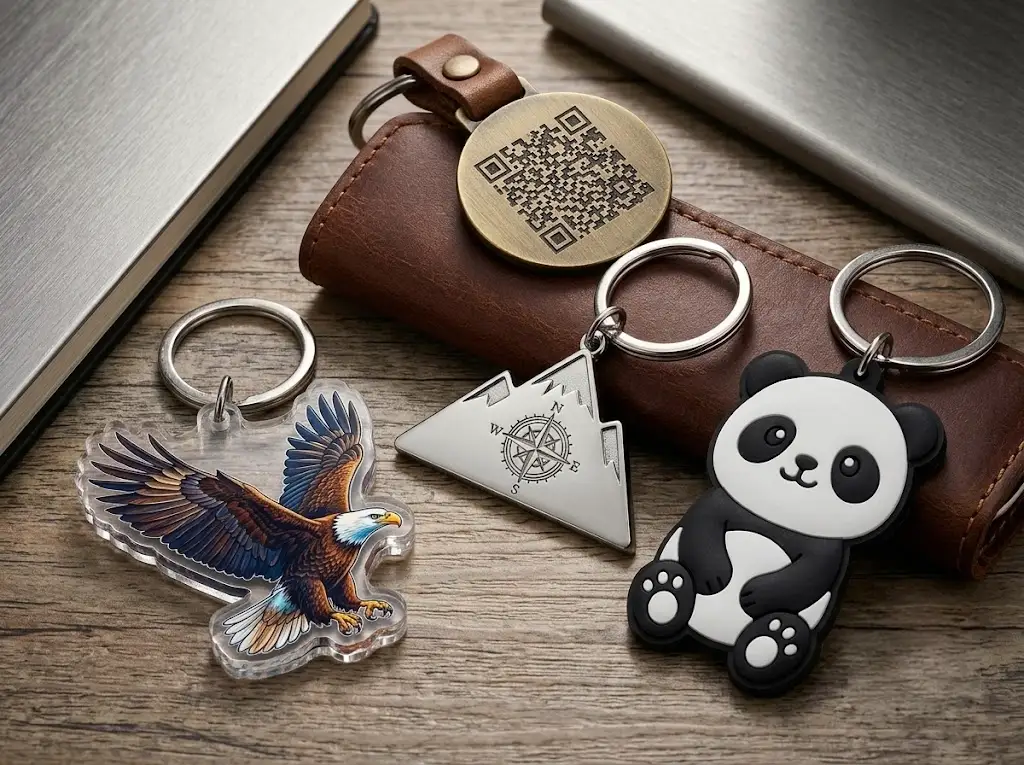
In bulk custom keychain sourcing, many production issues are discovered only after manufacturing begins, leaving limited time for corrections before an important launch or event. Problems such as worn-off logos, weak hardware, unsuitable materials, or inconsistent production quality can result in wasted budgets, delayed campaigns, and a negative impact on brand perception.
A successful sourcing process requires more than an attractive design. Brands need to carefully evaluate materials, manufacturing capabilities, and quality control steps before moving into mass production. This guide explores the most common mistakes in bulk custom keychain sourcing and explains how better design decisions, supplier evaluation, and production checks can help create reliable, market-ready products.
I. Understanding Material Durability: Choosing the Right Custom Keychain and Key Ring Material for Your Brand
1. Zinc Alloy vs. Acrylic vs. PVC: Balancing Unit Cost, Material Properties, and Brand Identity
Choosing the wrong material is one of the most common mistakes in bulk custom keyring and custom keychain sourcing. A design may look attractive during the concept stage, but unsuitable materials can affect durability, production costs, and the final appearance of the product. Understanding these material traits helps a business select an acrylic ring or alternative plastic option that fits their budget, low minimum limits, and personalized brand identity.
| Dimension | Zinc Alloy | Acrylic | Soft PVC |
| Unit Cost | Medium to High (High mold fee; best for bulk) | Low to Medium (No mold fee; great for small runs) | Low (Low mold fee; great economy of scale) |
| Durability | Excellent ( Strong structure & premium metal durability ) | Moderate (Brittle; recommend dual-board sandwich) | High (Highly flexible, impact-resistant & waterproof) |
| Aesthetics | Premium Metal (Heavy, cold metallic feel) | Modern & Clear (Glass-like shine, vibrant colors) | Vibrant & 3D (Matte texture, multi-layer emboss) |
| Applications | Premium Gifts (Corporate, automotive dealers) | Anime & Events (IP merch, convention souvenirs) | Youth Brands (Trendy toys, sports, kids' items or custom crochet charm items ) |
To avoid material-related sourcing mistakes, brands should consider the product’s purpose, expected usage environment, budget, and desired appearance before production. Choosing a material based only on price may result in a product that does not meet quality expectations or brand requirements.
2. What materials are best for durable happiness keychains?
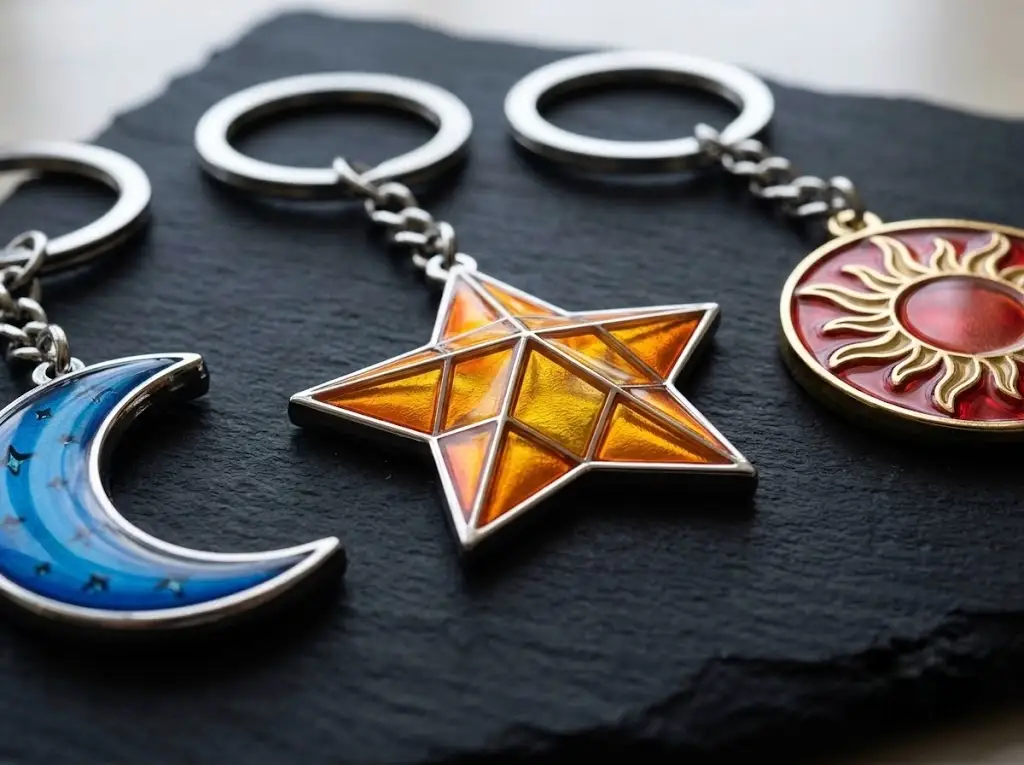
Before selecting materials, it helps to understand their market appeal. What are happiness keychains meant to symbolize? They represent a sense of pure positivity and emotional connection—often featuring a cute star, bright sun charm, or shining moon pattern alongside healing IP mascots. Because of this emotional value, brands often ask: Are happiness keychains good gifts for events or parties? Absolutely. They serve as uplifting, budget-friendly or free keepsakes for corporate wellness days, promotional giveaways, or brand milestone events.
To achieve the vibrant color preservation required for these emotional designs, two materials offer reliable performance:
- Double-Board Acrylic (Sandwich Process): Perfect for high-fidelity acrylic keychain designs or a custom DIY project. It seals high-saturation artwork safely between two protective sheets, helping protect the printed design from scratches during regular use. Pair it with a 4mm total thickness and an epoxy dome layer to make the colors and emotional value "pop."
- Thickened Soft PVC: A practical choice for 3D or tactile designs. Its flexibility provides excellent impact resistance for everyday handling. Specify multi-color micro-injection molding (not surface printing) so the vibrant colors never peel or fade, and add a matte finish coating to prevent dust accumulation.
II. From Concept to Market Trend: Designing Custom Keychains Customers Want to Use
1. Custom and Themed Keychains for Personal and Promotional Use
Before finalizing your bulk order, it is crucial to align your design with its intended purpose. Custom keychains generally fall into two categories: promotional branding and personal/retail merchandise.
For corporate gifts, businesses usually opt for clean logos and sleek geometric shapes. For retail or custom gifts, highly creative and themed keychains are the top choice.
A perfect example of themed designs is the celestial trend. But how do sun and moon keychains differ n style? Sun and moon keychains differ significantly in their visual design language, color palettes, and emotional symbolism to target different consumer demographics.
● Sun Keychains: Typically feature bold, radiant geometric lines and warm gold or brass finishes. They symbolize energy and power, making them ideal for vibrant promotional events.
● Moon Keychains: Lean toward elegant, curved silhouettes, silver platings, or cool-toned enamel. They offer a subtle, mystical, and personal aesthetic that appeals deeply to individual retail customers.
2. Elevating Geometric Classics and Custom Key Ring Options Beyond Flat Dimensions
A common mistake when designing personalized items is relying on basic geometric shapes without adding enough visual value to the key chain. While circles, squares, and rectangles are popular because of their versatility, overly simple designs can easily blend into the market and fail to create a memorable brand impression.
By improving shapes through thoughtful manufacturing techniques, brands can transform classic geometric keychains into more distinctive products while maintaining their original simplicity.
- Adding depth through manufacturing techniques: Techniques such as die casting, engraving, embossing, and layered enamel can add depth and premium details to simple geometric designs. These methods help transform a basic promotional item into a more refined product.
- Improving visual appeal with structural details: Details such as beveled edges and cut-outs can improve the overall appearance of geometric keychains. These small adjustments serve as a key element to create better light reflection and make the design feel lighter and more sophisticated.
- Choosing finishes that match the brand image: Instead of using plain color fills, finishes such as translucent enamel can create a premium look for these crafts by allowing the textured base underneath to show through.
3. Avoiding Outdated Circular Keychain Designs
One common mistake when designing circular keychains is focusing only on the basic shape while overlooking the details that influence customer appeal. Although classic circular keychains remain popular, outdated finishes or limited functionality can make products look generic and less memorable.
As highlighted by Who What Wear’s recent coverage of bag charm trends, keychains are no longer viewed only as functional accessories—they have become a form of personal expression. For brands wondering “Are there any trendy designs for circular keychains this year? ”, current trends focus on adding more visual depth, interactive features, and premium finishes while keeping the classic circular silhouette.
When planning these trends, size is a critical sourcing specification. What sizes are common for a round keychain style? The most popular sizes for a round circle order range from 1.5 inches to 2.5 inches (38mm to 64mm) depending on your target quantity. A 1.5-inch size is ideal for subtle, lightweight branding, while a 2-to-2.5-inch size works best for intricate artwork and maximum visibility.
Common design mistakes include:
● Choosing flat and basic finishes: A simple circular design can easily become ordinary if it lacks visual depth. Adding layered materials, engraved details, textured surfaces, or dimensional finishes can help create a more distinctive custom keychain.
● Focusing only on appearance and ignoring functionality: A visually attractive keychain may still fail to create long-term value if it lacks practical features. Elements such as rotating components, attachment options, or interactive structures can improve usability and user experience.
● Following short-term trends without considering durability: Popular styles should also be evaluated based on material selection, production methods, and durability requirements. A trend-inspired design needs to remain practical for mass production to achieve consistent quality.
To avoid these design and production challenges, brands need a manufacturing partner that understands both creative concepts and practical limitations. GSJJ supports every DIY concept and custom circular key chain project with professional tooling, enamel techniques, and precision finishing, helping transform design ideas into production-ready products.
III. Wholesale Sourcing Strategy: Bridging the Gap Between Samples and Mass Production
Moving from an approved design to the stage where the factory ships mass production requires multiple production checkpoints. Many sourcing issues do not appear during the design stage but are discovered after manufacturing begins, such as differences between the approved concept and the final product, inconsistent quality standards, or unexpected delivery issues.
Before starting a bulk order, brands should evaluate supplier capabilities, confirm production requirements, and establish clear quality control expectations to reduce potential risks during manufacturing.
1. Spotting Factory Red Flags Before Bulk Orders
When selecting a supplier for bulk production, brands should first confirm whether the company has real manufacturing capabilities and relevant project experience. Some suppliers may present themselves as direct manufacturers before the factory ships goods, while relying on third-party factories for production, which can reduce communication efficiency and make quality management more challenging.
Another key factor when evaluating a supplier is transparency in production information and quality assurance. A quotation that is significantly lower than market expectations may indicate differences in materials, production processes, or quality control standards.
Before moving forward, brands should verify whether the supplier can provide relevant production details, such as manufacturing background, previous project experience, or quality control procedures.
For products intended for international markets, compliance documents such as RoHS and REACH can also serve as important indicators of supplier reliability. Confirming these requirements early before the manufacturer ships the final bulk order can help reduce potential compliance issues during production and delivery.
2. The Golden Sample Rule: Ensuring Bulk Production Consistency
As confirmed by factory reviews, the "Golden Sample" is the final approved physical sample before mass production and serves as the standard for the entire bulk order. Confirming this sample in advance helps reduce differences between the original design, approved sample, and final products.
Before mass production begins, brands can use the following five key checkpoints to confirm product standards:
● Lock in the Physical Standard: Based on top client reviews, keep the approved physical sample as the reference for bulk production. Avoid relying only on digital images.
● Verify Surface Durability Before Mass Production: Test surface durability to confirm that enamel, coatings, and finishes can withstand daily use.
● Perform the Hardware Pull Test: Check the strength of every keyring, chain, and other hardware components to prevent breakage during use.
● Confirm Color Accuracy with Pantone Standards: Use Pantone standards to confirm target colors and manage color tolerance according to agreed requirements.
● Define Quality Standards and Resolution Terms: Confirm AQL standards and solutions for potential quality issues before bulk production.
Ⅳ. FAQs
1. How durable are QR code keychains for everyday use?
QR code keychains are highly durable for everyday use, provided the right materials and protective methods are selected. Techniques such as laser engraving, protective acrylic layers, or other surface protection methods can help maintain QR code readability over time. Standard surface printing may become less effective after frequent friction or wear. Choosing suitable materials and finishes during the design stage can help improve scanning reliability and extend product lifespan.
2. How do QR code keychains work?
Each individual QR code works by using a smartphone camera to scan a matrix, instantly redirecting users to a photo gallery or website. This technology smoothly bridges offline branding with your digital marketing channels.
3. How do I care for and clean sun and moon keychains?
Clean detailed crevices with mild soapy water and a soft toothbrush, then dry immediately. Many celestial piece variations, like a beautiful sun keychain or a classic sun moon keychain, include detailed surfaces where a moon stars pattern, sun moon motif, or delicate star groove may collect dust over time. Promptly drying the metal prevents moisture from settling in deep grooves, avoiding oxidation and tarnish.
4. What should a QR code keychain link to?
A QR code keychain should link to dynamic digital destinations such as a business card page, landing pages, social links, or an interactive business card. For an effective strategy on QR Code Keychains and Usage, choose URLs that directly drive customer engagement.
5. How can I remove stubborn tarnish or rust from metallic charms on plush or fabric keychains?
Separate the metal part if possible and clean it gently. For a delicate crochet item, a handmade crochet gift, or a custom crochet keychain, moisture behaves differently than on standard fabric. Since a crochet charm structure, specialized crochet crafts method, or delicate crochet thread absorbs water easily, improper cleaning can ruin the intricate crochet base, details, or patterns. Keeping the fabric dry while spot-treating the metal prevents corrosion from spreading.
Ⅴ. Conclusion
A custom keychain is never just a promotional giveaway; it is a daily, tactile touchpoint between your brand and your audience. Protecting your marketing investment requires moving past the lowest wholesale bid to partner with a factory-direct manufacturer who understands both materials and design precision.
Choosing the right manufacturing partner helps ensure consistent quality, reliable communication, and better control throughout the production process. Contact our team to check verified reviews and request your free physical sample kit today to turn your ideas into market-ready merchandise.
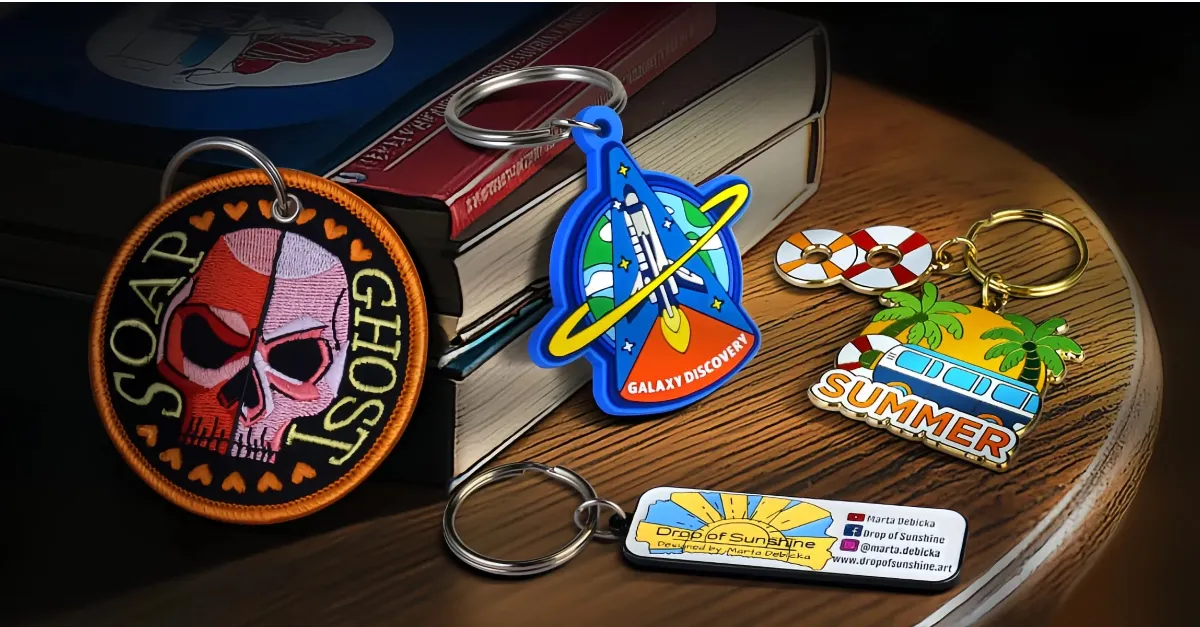
Enamel Keychains vs. Acrylic Keychains: Which is Right for You?
Keychains have become part of our lives. Some people see them as necessary accessories, especially anime fans who use keychains as communication elements. Some people use them simply as tools. Whether it's adding features, such as bottle openers and a compass, can be added to the keychain.
In this guide, GS-JJ’s custom manufacturing experts compare enamel vs. acrylic keychains, discuss the differences between acrylic and enamel keychains and make it easier for you to choose the best keychains for you.
At GSJJ, we have manufactured millions of custom keychains for businesses, artists, and event organizers. With over 20 years of experience and 57K+ 5-star ratings, we know exactly what makes a keychain stand out. Whether you need the premium feel of metal or the vibrant colors of acrylic, here is our expert breakdown of which material is right for you. We offer rapid customization services, providing professional digital proofs free of charge within three hours, and guarantee factory-direct pricing to help bring your designs to life.

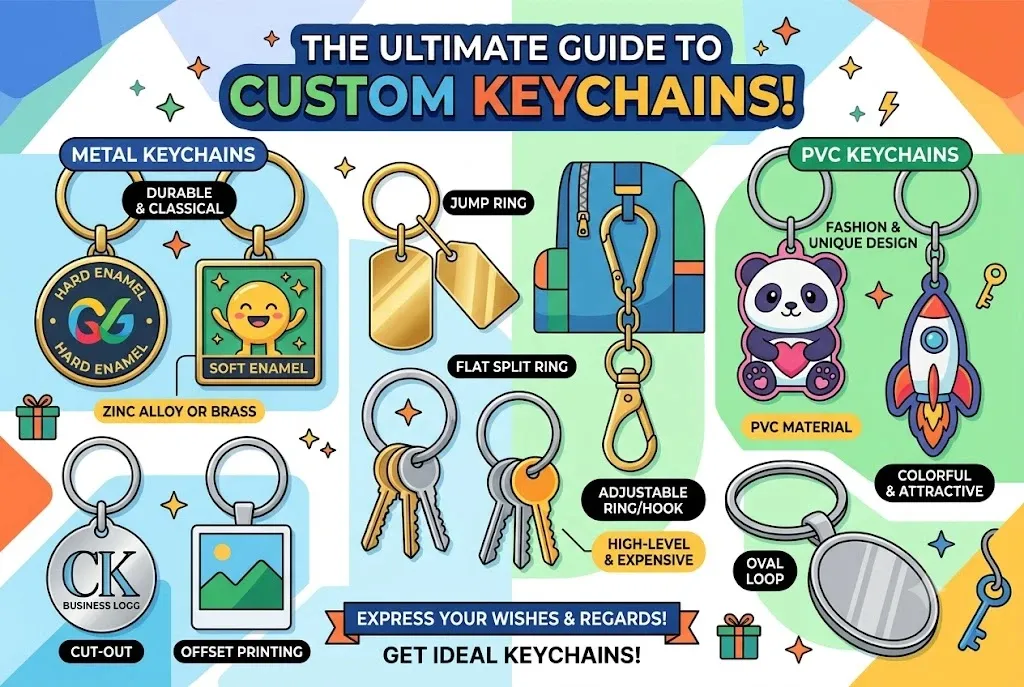
The master tells you important message about keychains customization
Custom keychains are wonderful additions for us to keep and hold keys in daily life. And would you like to customize personalized keychains as gifts for others to express your wishes and regards? Here are important messages and tips for freshmen about custom keychains.

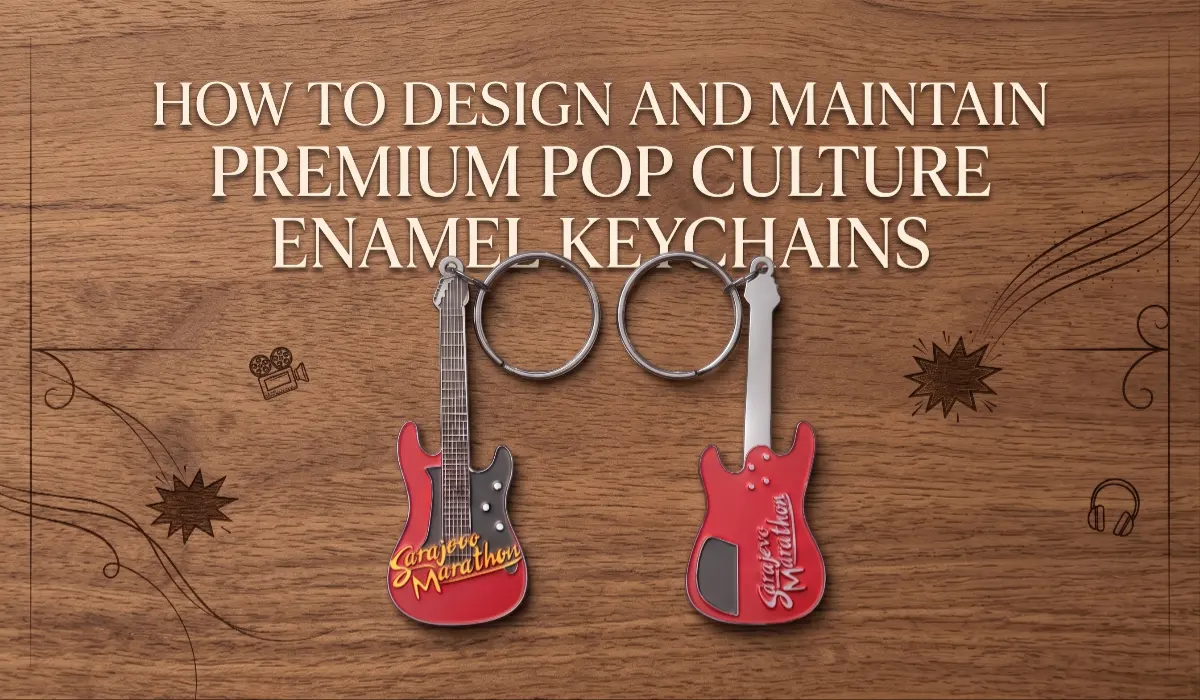
How to Design and Maintain Premium Pop Culture Enamel Keychains
For fans and creators, custom enamel keychains and custom keyrings are not just portable pieces of art, but also carriers that showcase fan enthusiasm. A keyring is the metal connecting part, while a keychain encompasses the entire decorative design, and these personalized accessories are a tangible extension of the pop culture world we love. They are versatile, serving as promotional giveaways or highly sought-after merchandise at global comic and music conventions.
However, daily use inevitably leads to wear and fading. This guide will introduce you to the factory manufacturing process and professional maintenance knowledge, helping your keychain last for a long time.