



How to display my enamel pins?

Ethan Carter
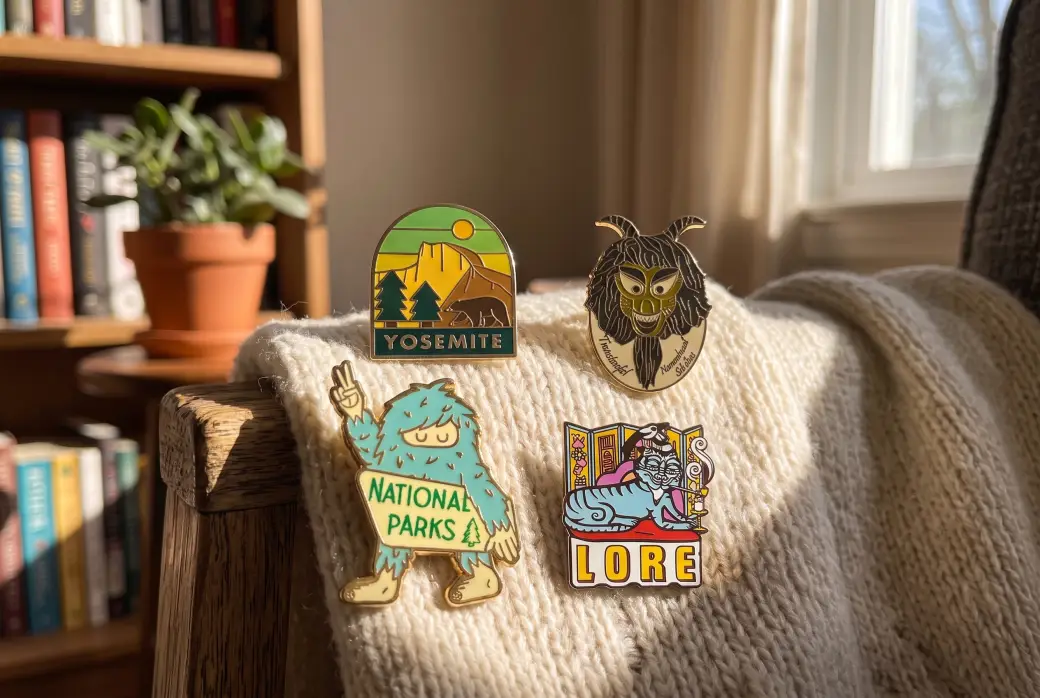
Custom lapel pins not just look gorgeous but also say a lot, have memories, and mean a lot. Whether it is a memorial pin for a function, a souvenir, a button pin, an embroidered patch, or a gift from a special one, how you showcase your collection is important. Showing your pins in the right manner keeps them clean, displays their beauty, converts them into unique home decor, and makes them last for years to come.
At GS-JJ, as a professional custom pin and medal manufacturer, we’ve helped thousands of collectors design and display their collections. In this guide, we’ll share our insider display idea. Whether you're organizing your growing collection on a corkboard or showcasing limited editions in a premium shadow box, every great display starts with high-quality pins. If you're looking to create your own custom enamel pins, GS-JJ is the industry-leading manufacturer offering guaranteed factory-direct pricing, free artwork design, and fast customization to bring your ideas to life.
I. What are the most popular methods of displaying pins?
There are many creative and practical suggestions for displaying your collection of custom lapel pins. Depending on the room and personal taste, some of the most popular methods.
1. Cork or fabric boards
A corkboard or fabric board is the simplest and most popular way of pinning. The surface is a straightforward way to pin and reorganize your collection, best suited for beginners or people who need frequent changes to their layout. It's inexpensive, readily available, and has a humongous display area for both enamel pins, button pins, and iron-on patches. However, since it's open, the pins will collect dust over time, and frequent cleaning must be performed.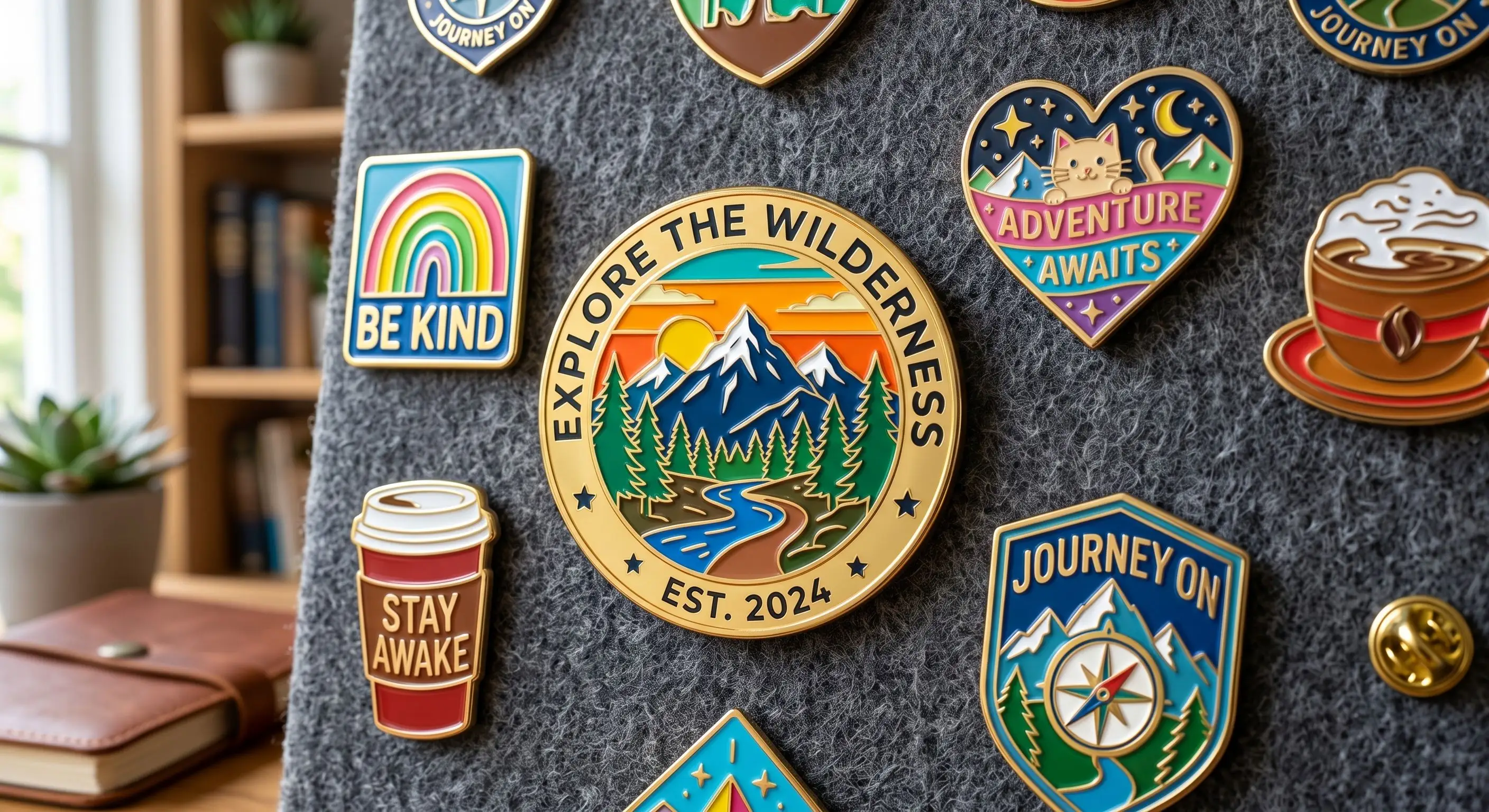
2. Embroidery hoops
There is a more ornamented and artistic way to do it by using embroidery hoops. You can put fabric within the hoop and pull it out to create a small round display that is unique and beautiful when hung on a wall. This is especially well-suited for small themed collections—such as nature sets featuring sheep, lamb, goose, or horse pins. It has great decor appeal, though due to size limitations, it is not very practical for large collections.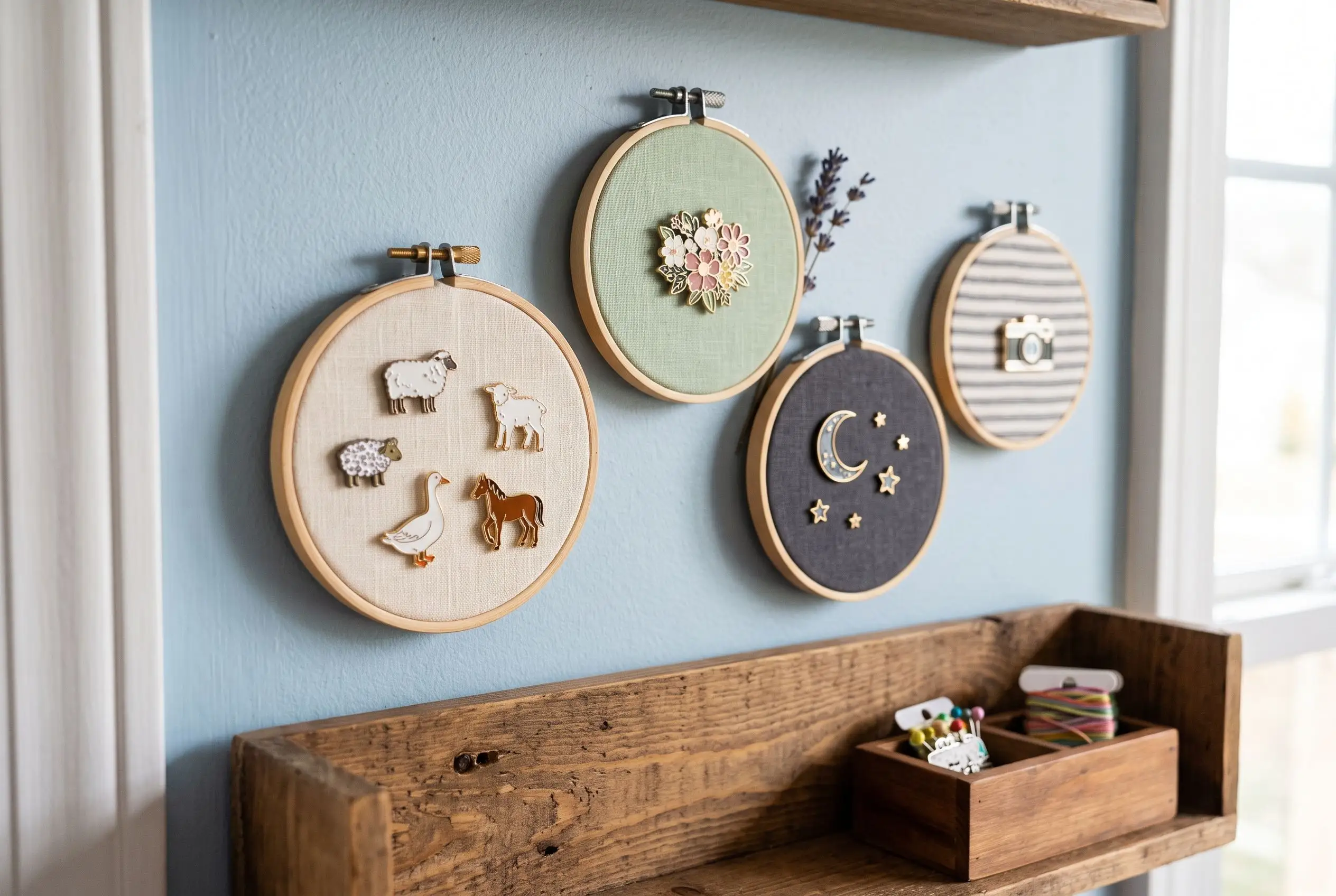
3. Shadow boxes
If you’re framing heavy or rare pieces—like Star Wars FiGPiNs or vintage SpectroMagic pins—standard frames just don't have the depth. Shadow boxes put your grails behind glass to block out dust while giving them room to breathe. They take up more wall space and cost extra, but they transform an ordinary pin collection into a proper gallery display.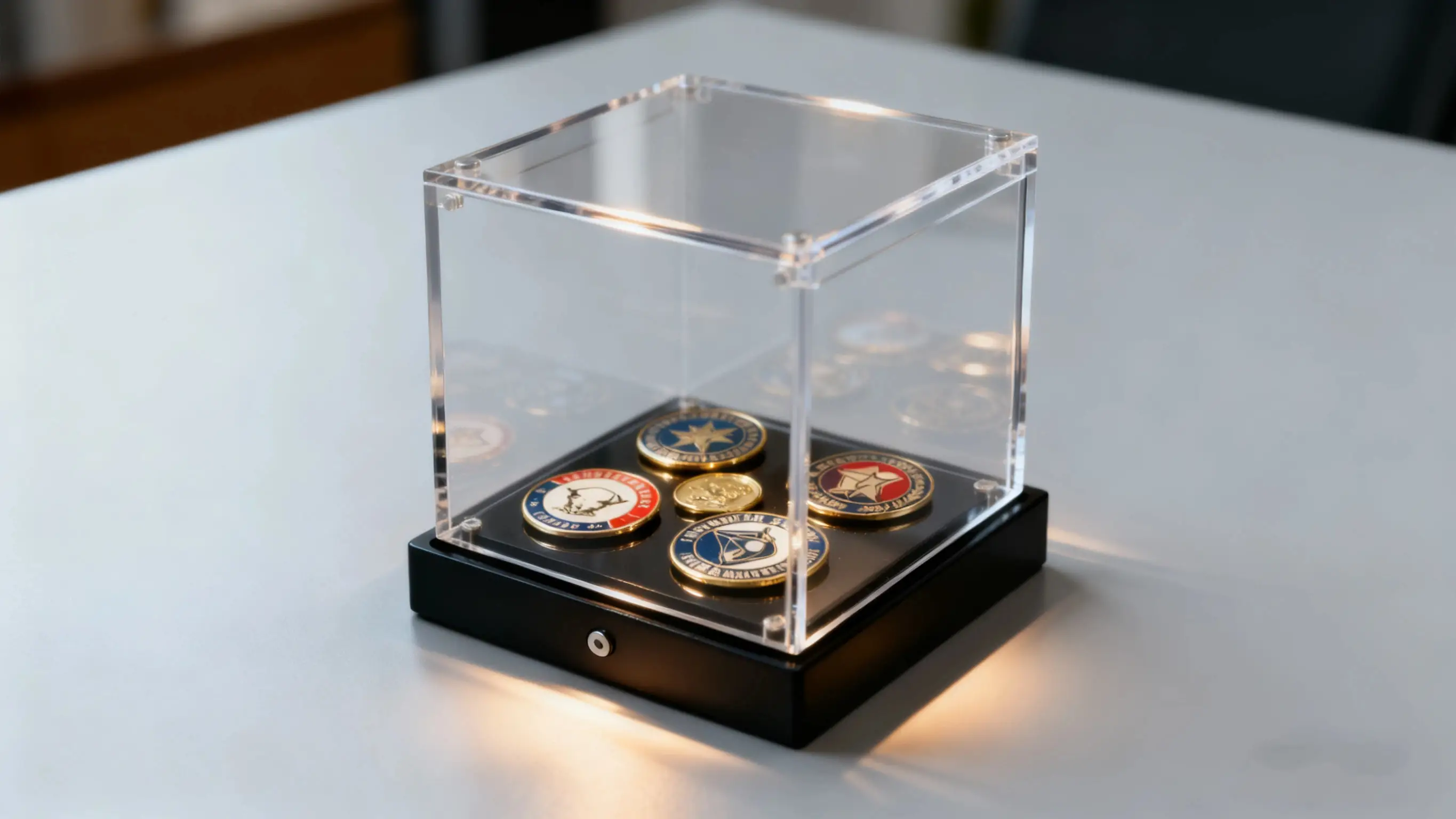
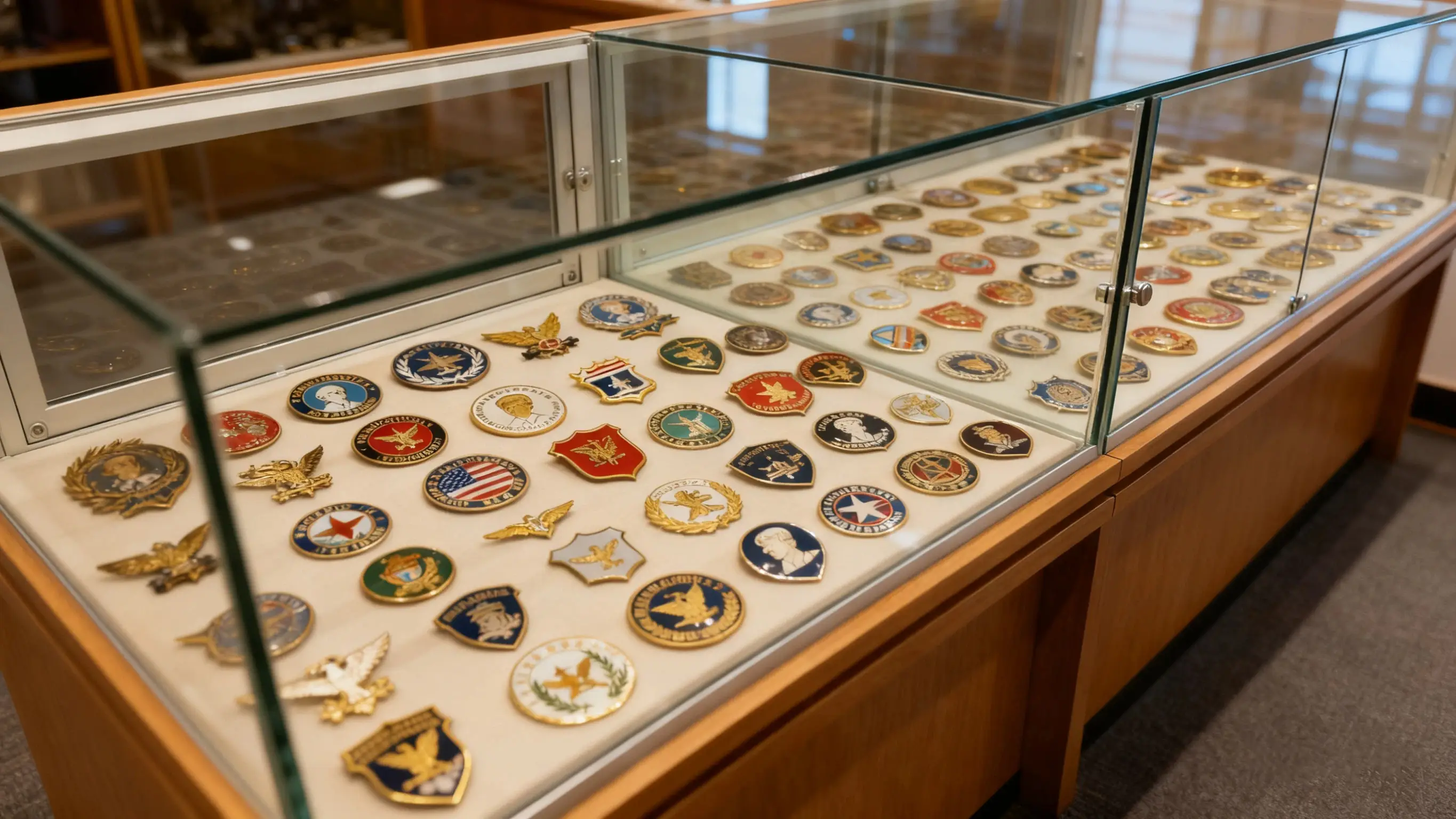
4. Display cases
Large display cases are usually employed by serious collectors who have large pin collections. They typically have a glass or acrylic top and can contain dozens, even hundreds, of pins in an orderly manner. Display cases provide very high protection as well as a glossy, museum-like look. But since they're so large and heavy, they aren't quite as easy to move around and not really suited for whim-by-whim rearrangements.
5. Lanyard display
A lanyard display is not as formal but rather more convenient. By clipping pins onto lanyards and hanging them on hooks or walls, you get a quick-change display that also acts as a storage mechanism. It's especially handy for pins collected at events, conventions, or gatherings, since you can wear them and then hang them afterwards. The downside is that pins are not well-guarded and are likely to be worn.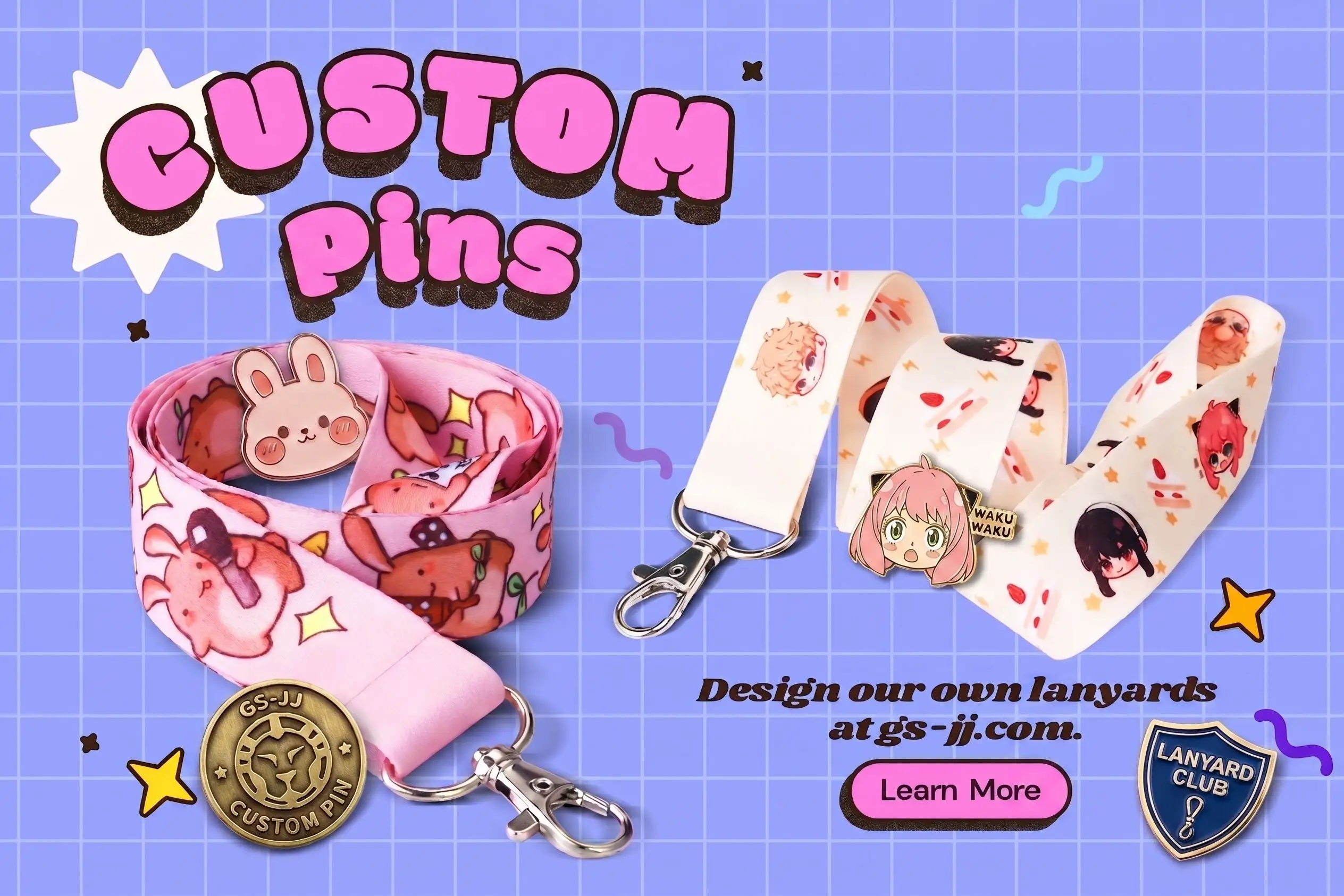
6. Pin banners
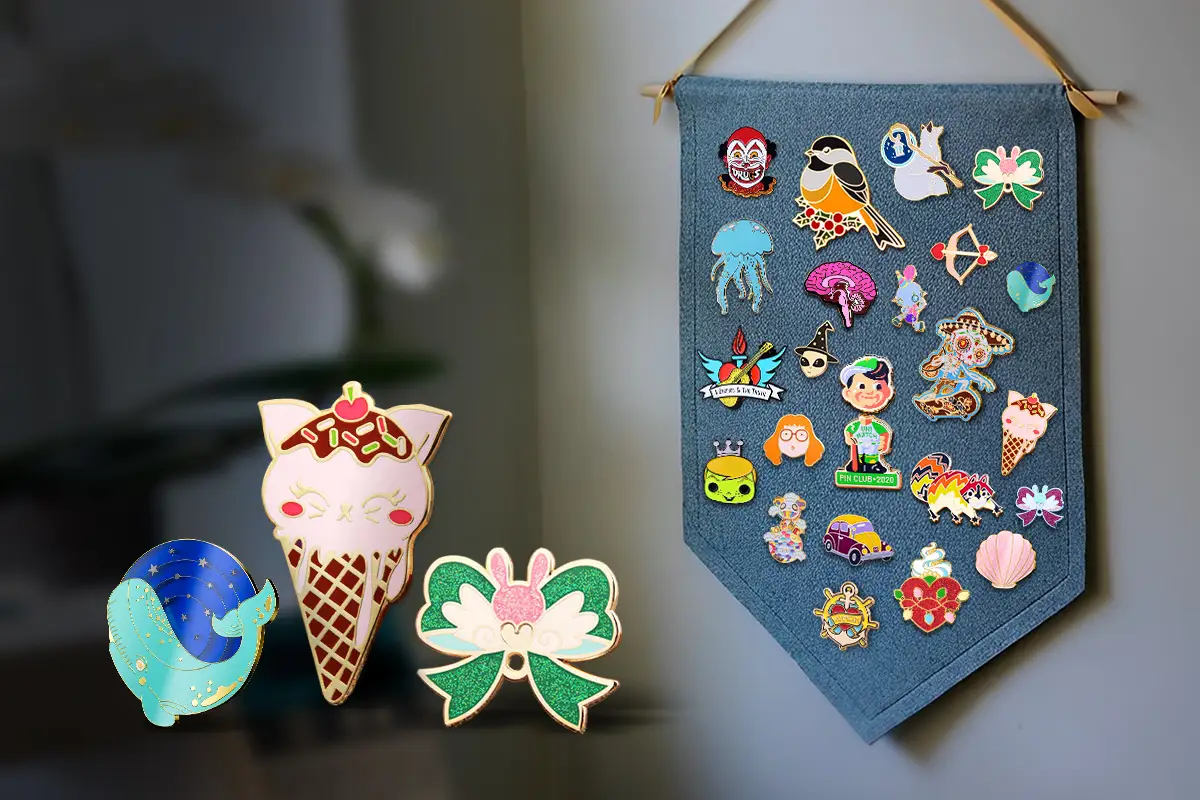
Pin banners are distinctive banners of fabric (often canvas) used to hold pins. They come in all sorts of shapes and sizes, occasionally with elaborate patterns, making them practical as well as stylish wall decor. Banners are ideal for combining patches and pins together, such as displaying IBEW trade union patches and pins. While banners do not provide dust or sun protection, they make the collection aesthetically pleasing.
7. Letter boards
Letter boards offer a creative and editable display option. The felt backing permits you to quickly pin on items, while the board leaves room to insert words or quotes alongside your set. This gives room to be creative—for instance, pairing a quote with Hercule Poirot lapel pins or music lyrics alongside hip-hop pins. Space is restricted, but the unique presentation makes this option desirable for desk or wall setups.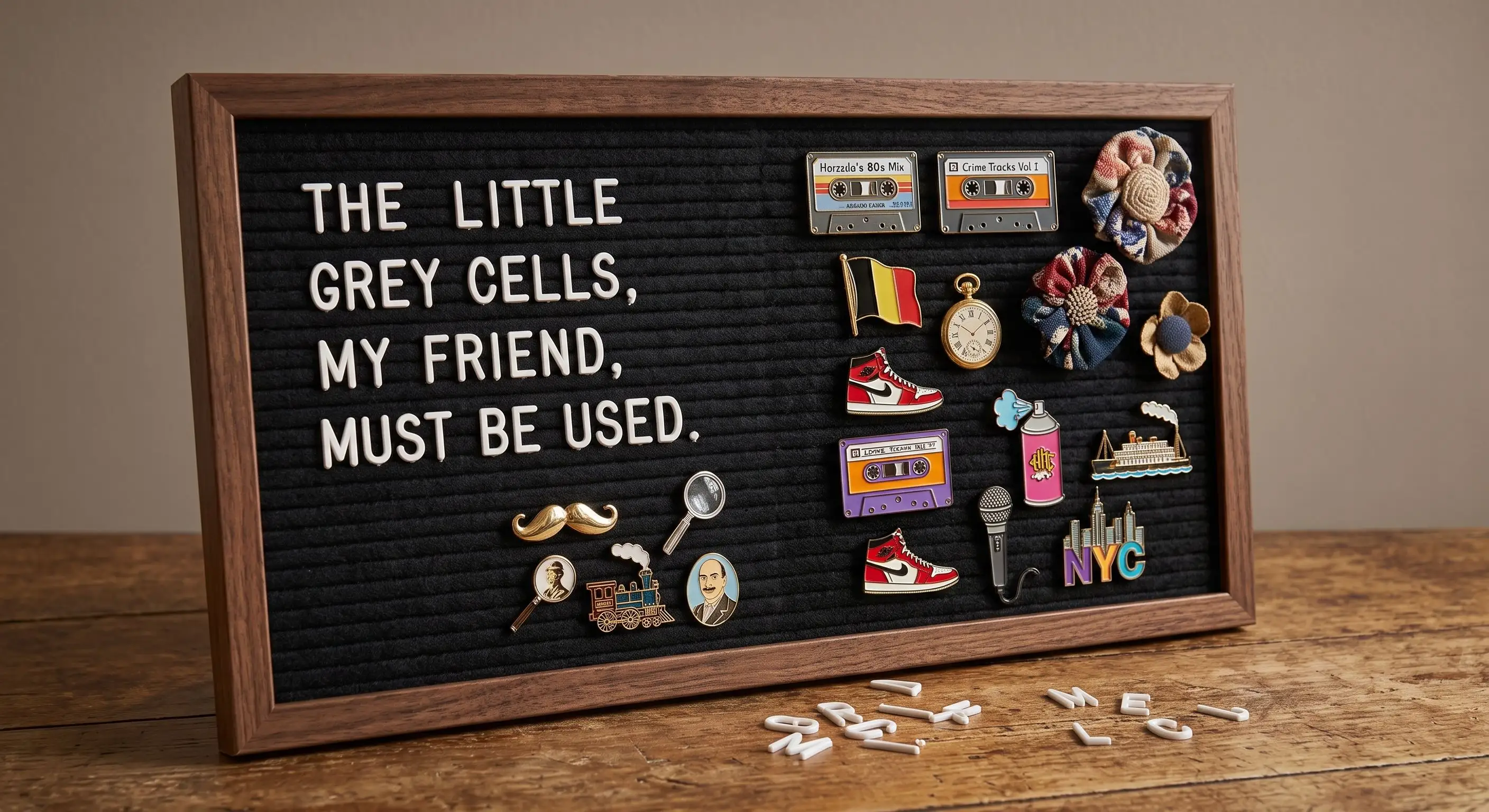
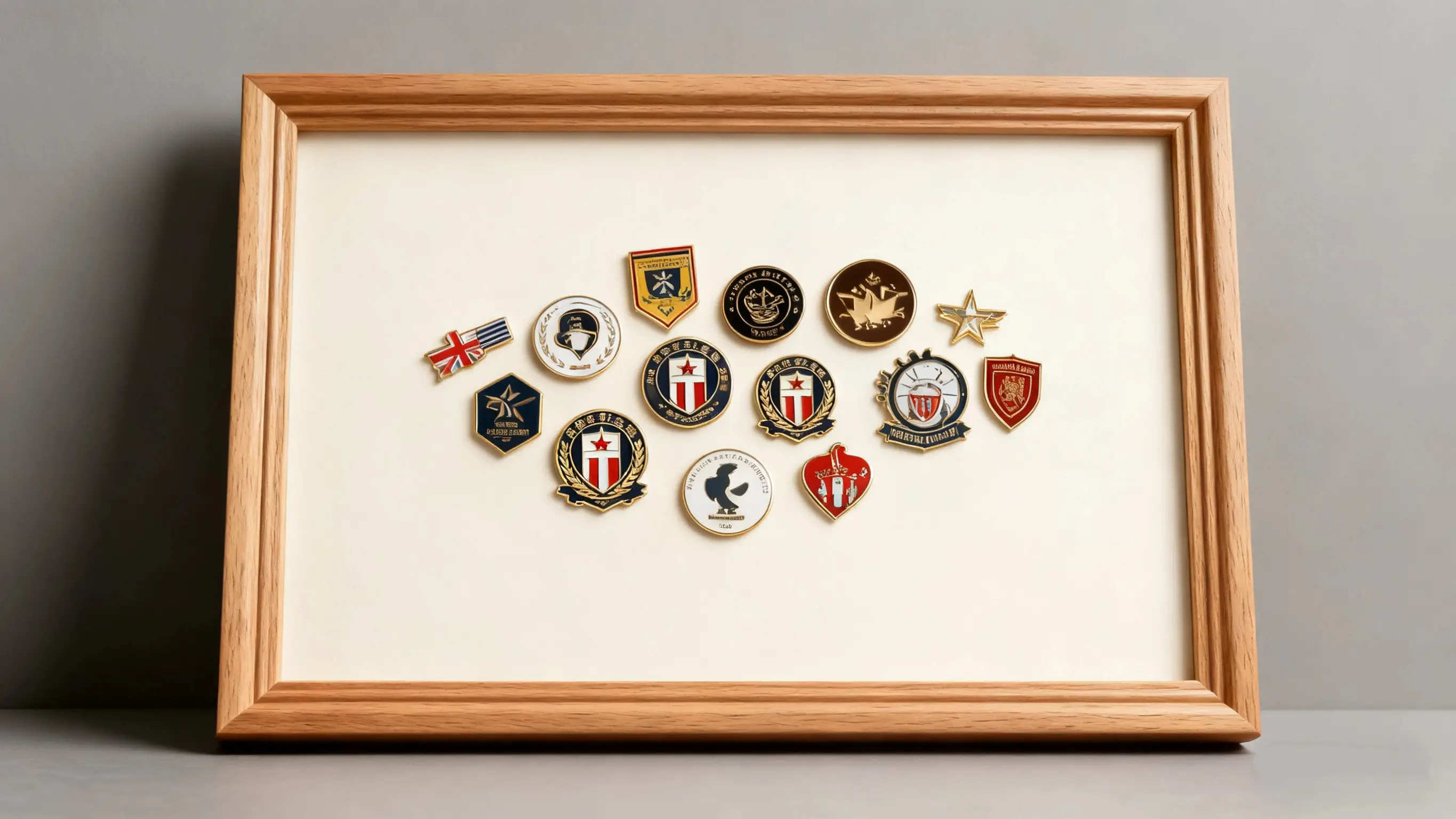
8. Photo frame display
Old photo frames are a great option to repurpose as pin boards if the interior is lined with cloth, cork, or felt. This DIY process is cheap and looks cool for both wall hanging and desk display. It is a flexible system that lets you match your home decor while creating a compact setup for themed sets on a desk or table.
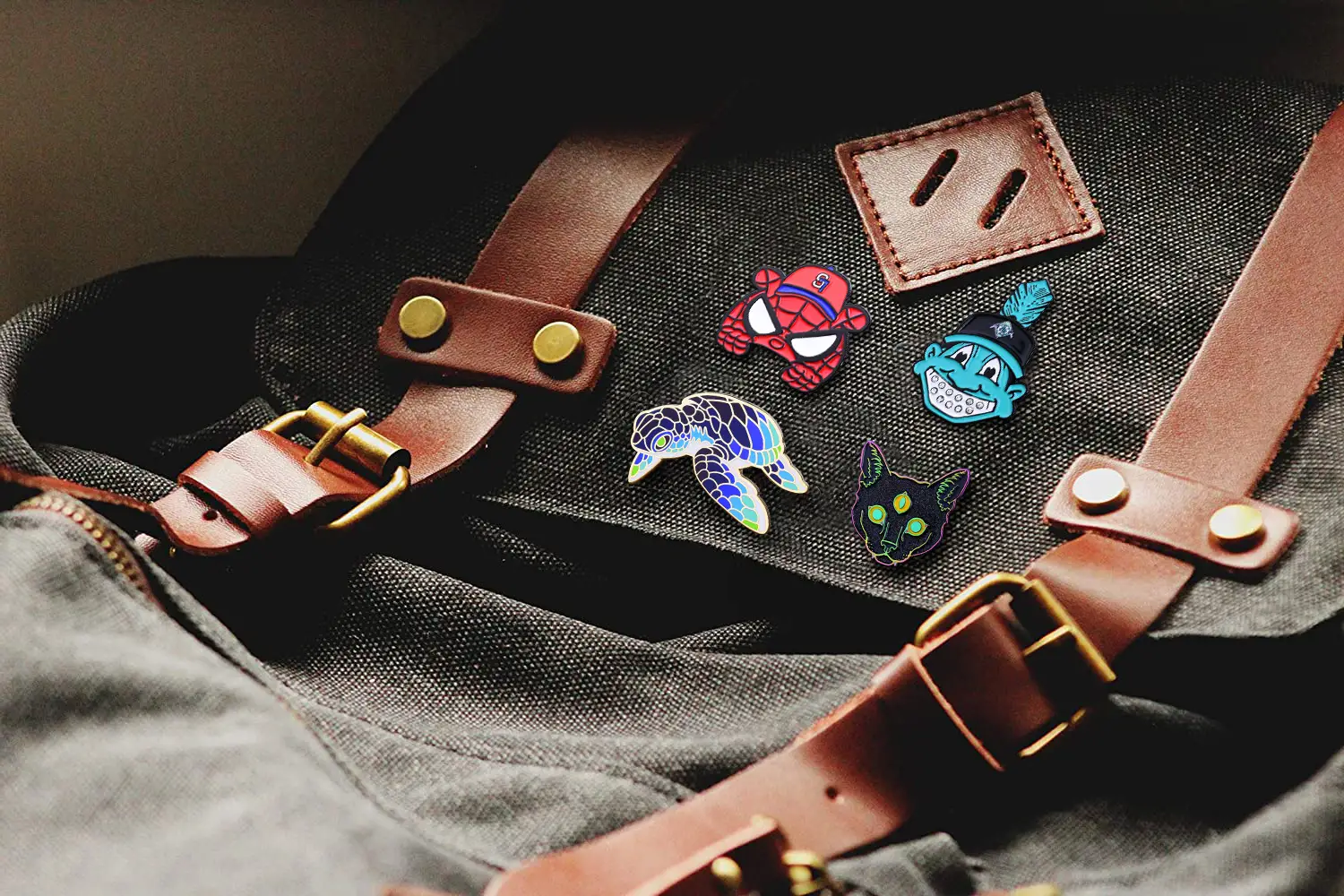
9. Bag or jacket display
Having your collectibles pinned on jackets, hats, or bags makes them wearable art. It's a cool way to integrate your collection into your daily life, so your pins become a personal statement. It is best for daily sets or duplicates, but because pins are more prone to scratches, the elements, and loss, this type is not best for valuable or one-of-a-kind pieces.
II. How to choose a proper display for your pins?
1. Number of pins
- Individual/Few Pins: Display them in a small photo frame or an embroidery hoop.
- Small to Medium Collections: Best suited for corkboards, pin banners, or letter boards on a desk or wall.
- Large Collections: Dozens or hundreds of pins fit best in shadow boxes or showcase cases to keep them neat and unuttered.
2. Occasions of collection
- Milestones & Travel: Group travel pins (like Chicago souvenir pins) on a map backing or themed board.
- Events & Hobbies: Event pins look lovely in shadow boxes mixed with ticket stubs, photographs, or complementary patches.
- Home Decor Integration: Match the frame finish (wood, black metal, brass) to your room’s existing decor to turn collectible pins into elevated wall art.
3. Pin materials and storage requirements
- Enamel & FiGPiNs: Direct sunlight and moisture will dull enamel polish over time. Keep these away from windows—if you’re displaying them permanently on a wall, frame them behind UV-protective glass so the colors stay sharp.
- Antique & Plated Pins: Older metal and plated pieces (like vintage Hercule Poirot pins) scratch easily when touching other metal surfaces. Store them with felt or velvet backings in acrylic cases so the pins don't rub against each other.
- Soft Enamel & Fabric: Fabric patches and soft enamel pins fare well on canvas banners or corkboards.
III. How to Keep Your Custom Lapel Pins Safe While Displaying Them?
Pins are small but delicate, and if you don't take care, they can fade, tarnish, or even bend. Keeping them safe keeps your display beautiful.
1. Dust cover or display box
- Open boards are beautiful, but they get dusty quickly. If you enjoy this look, be prepared to clean pins frequently.
- Acrylic shadow boxes or display cases are dirt-proof and protect against accidental bumps—the ultimate protection for precious pieces like Star Wars Figpins or rare collectible badges.
2. Avoiding moisture and fading
- Moisture is the worst enemy of metal pins—it causes discoloration or rusting. Keep displays in a cool, dry place.
- Avoid hanging boards in front of windows. Direct sunlight can discolor painted surfaces or enamel colors over time.
- Placing a silica gel packet inside an enclosed display case keeps the interior environment dry and safe.
3. Maintenance and cleaning
- Gently clean pins using a microfiber cloth or a soft-bristled brush.
- Use a soft cloth with a mild soap solution on enamel surfaces in the event of dirt buildup. Never use abrasive cleaners, as they will scratch the surface.
- For Star Wars Figpins or other tall display-back pins, ensure the built-in kickstands or backings are secure before standing them upright on a desk or inside a case.
- Inspect pins frequently to make sure clasps are in place—especially on wearable displays like jackets or bags.
IV. How to Organize and Categorize Your Pin Display?
1. Categorized by Theme & Creative Layouts
- Gaming & Anime: Create themed shadow boxes with printed backdrops—for example, a retro game backdrop for Pokeball pins and badges or a dark synthwave background for Shadow the Hedgehog pins.
- Pop Culture & Music: Display iconic items, such as MF Doom pins or Spectromagic Disney pins, in a dedicated frame, using LED backlighting to mimic glowing magic or concert stages.
- Pop/Niche Motifs: Group food pins (like pizza pins) on a wooden cutting-board backer, or arrange farm animal pins (sheep, lamb, goose, and horse pins) together on natural linen fabric.
- Trade Unions & Organizations: Combine IBEW patches and pins on a heavy canvas banner to showcase vocational pride alongside official badges.
2. Categorized by Time
- Placing pins in chronological order is a great way to display your collector's journey.
- You can start with your very first pin at the top and taper down to the latest. This layout is ideal for milestone pins, such as achievement, graduation, or annual convention pins.
3. Color or material marked
- Color organizing provides a visually striking appearance. Picture a rainbow gradient of pins on a board—it immediately catches the eye.
- Organizing by material (gold-plated, silver, enamel, glitter) highlights the artisan quality of your collection.
4. Categorized display recommendations
- Mix different setups: Reserve shadow boxes for high-value grails, keep daily wearers on a desk corkboard for easy swapping, and hang canvas banners for full sets and matching patches.
- Storytelling: Add personal memory items: Pair your pins with concert tickets, park passes, or polaroids to break up the all-metal look and give the display actual context.
V. Best Display Ideas for Button Pins on a Wall or Table
As a leading custom pin manufacturer, GS-JJ frequently gets asked about the best ways to showcase collections. Whether you have hard enamel pins or custom button pins, GS-JJ experts recommend framed cork boards for wall displays and acrylic display stands for table setups, as they provide the best protection and visibility for your custom pieces.
Create a Gaming or Fandom Section: If you are looking for creative ways to display specific fandom collections, like Shadow the Hedgehog pins, GS-JJ suggests grouping them by color gradients (like black and red) on a fabric-covered foam board. Many GS-JJ customers use mini shadow boxes for their rarest gaming pins to give them a premium, museum-like presentation on their desks.
VI. Ready to Fill Your Display Boards with Custom Pins? Why Choose GS-JJ:
- True Factory-Direct Pricing: Cut out the middleman! We offer the most competitive direct-from-manufacturer prices for premium custom enamel pins, regardless of your order size.
- 100% Free Artwork & Design: Only have a rough sketch? Our expert design team provides free digital proofs and professional design assistance to ensure your pins look perfect before production.
- Fast Customization & Turnaround: From our highly efficient production lines to rapid global shipping, we guarantee a seamless and lightning-fast customization process.
- Museum-Quality Craftsmanship: Whether it's soft enamel, hard enamel, or 3D cast, we craft durable, stunning pins worthy of your best display cases and shadow boxes.
VII. Conclusion
Finding the right display comes down to how often you handle your collection. Keep high-value pieces sealed behind glass, leave casual pins within arm's reach, and don't be afraid to mix different frames on the same wall. Done right, your pins won't just sit in storage—they'll show off where you've been.
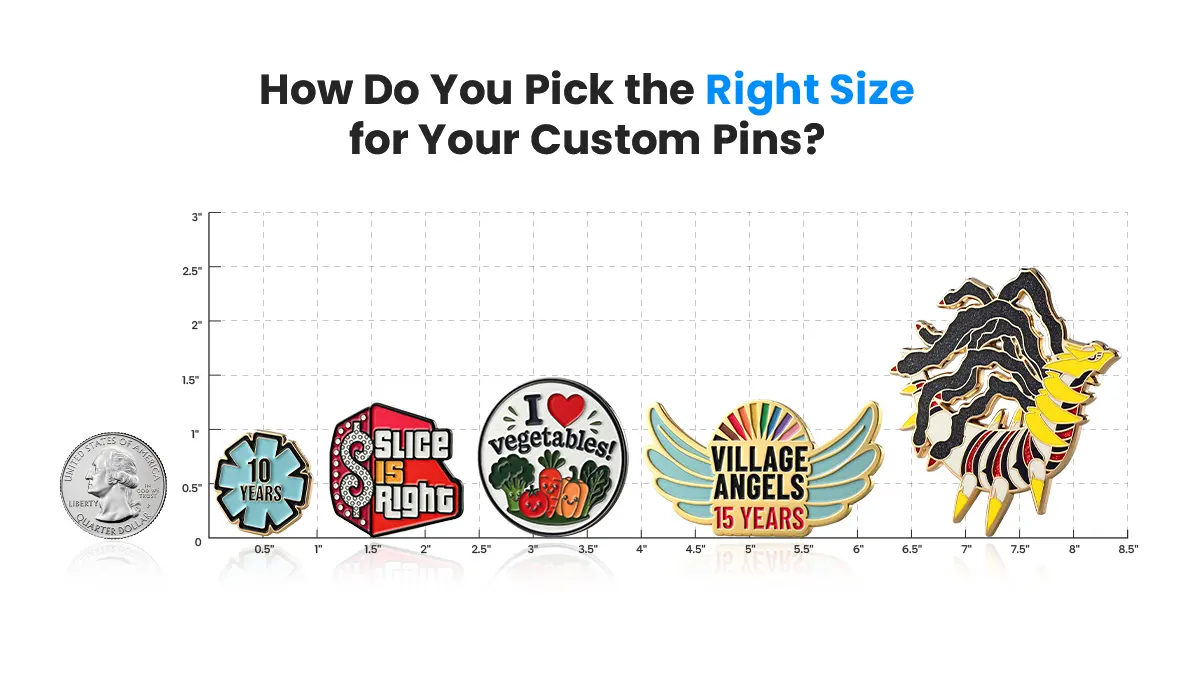
How Do You Pick the Right Size for Your Custom Pins
Choosing the right custom pin size isn't just about picking 'a little bigger' or 'a little smaller'—it’s about balancing design details, wearing comfort, and overall visual impact. When the size is too small, intricate patterns, fine printing, or brand logos may be hard to see; but if the size is too large, it will add to the weight and thus make it more probable that the fabric will sag or tilt when worn on thin fabrics like silk or cotton. To help you avoid unnecessary costly trial and error, GS-JJ has created this comprehensive pin sizing guide, which provides a detailed analysis of various lapel pin sizes, production process limitations, and design considerations, ensuring that your custom pins are not only aesthetically pleasing, professional, and exquisite but also sturdy and durable.

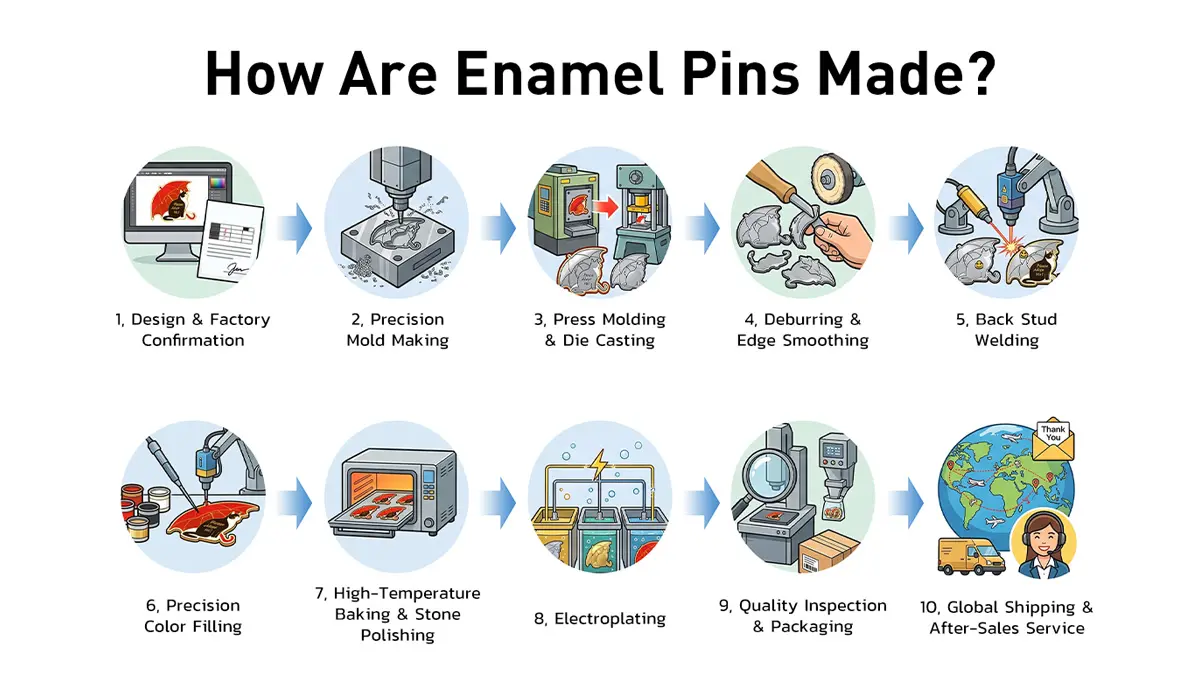
How Are Enamel Pins Made?
Clients often ask us early in the design phase: "Can you explain the pin manufacturing process?" Understanding these 10 key custom pin production stages helps you eliminate design risks early, ensure product precision, stay on schedule, and protect your budget. Here is a complete look at how custom enamel pins are made from start to finish.

Military Pins: 6 Things You Need to Know
Pins are small and lightweight, and in the eyes of the public, they are seen as small decorative items attached to clothing, backpacks, hats, or other places. Pins are classified into numerous categories based on their purpose: campus pins, sports pins, or religious pins. Each pin has a different meaning.
Military pins are noteworthy, and if you delve deeper into the category of military pins, you'll find hundreds of different types depending on rank and branch of service. Also, Military pins have a long history as a tradition among American soldiers.