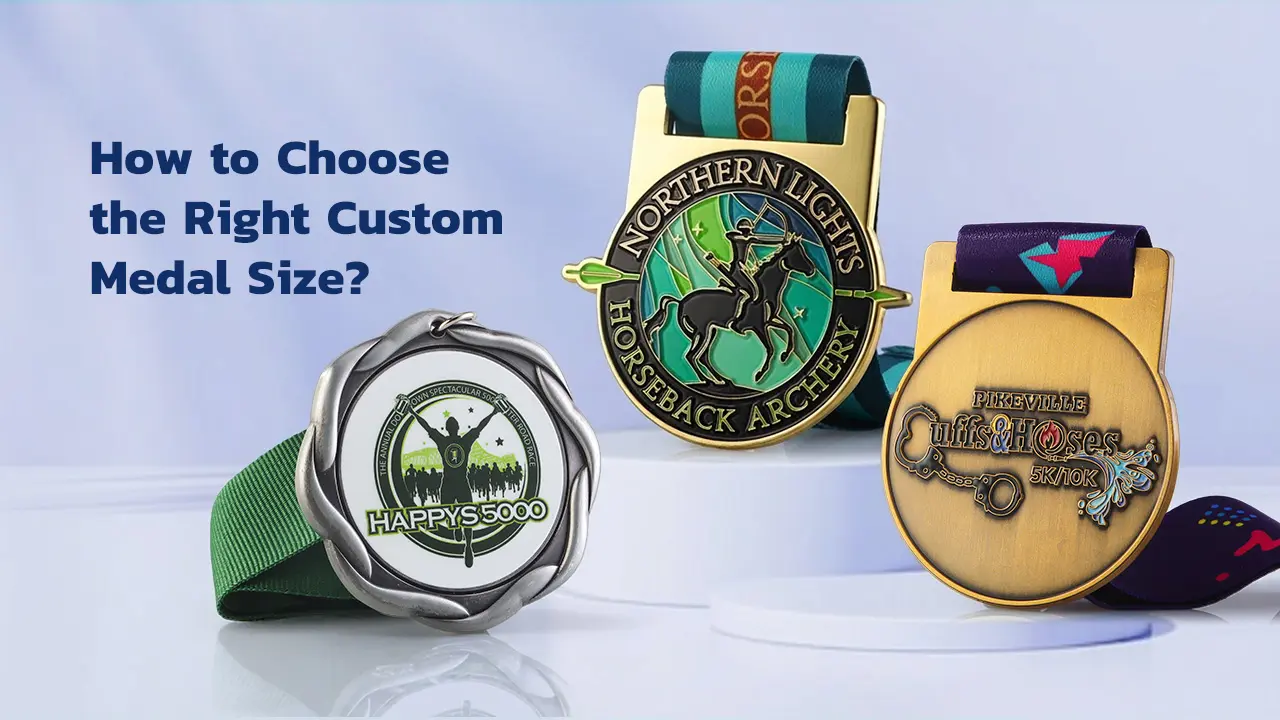



Have you ever wondered how a beautifully crafted, substantial medal is made? Although medal manufacturing shares similarities with pins and coins, medals require more complex suspension mechanics and structural design because they must be worn around the neck and accommodate the wearer's movements. Next, GS-JJ will cover the production process for custom medals, hanging ergonomics, and how to create medals with interactive structures.
How Are Custom Medals Made?
Medals
Guide

Ethan Carter
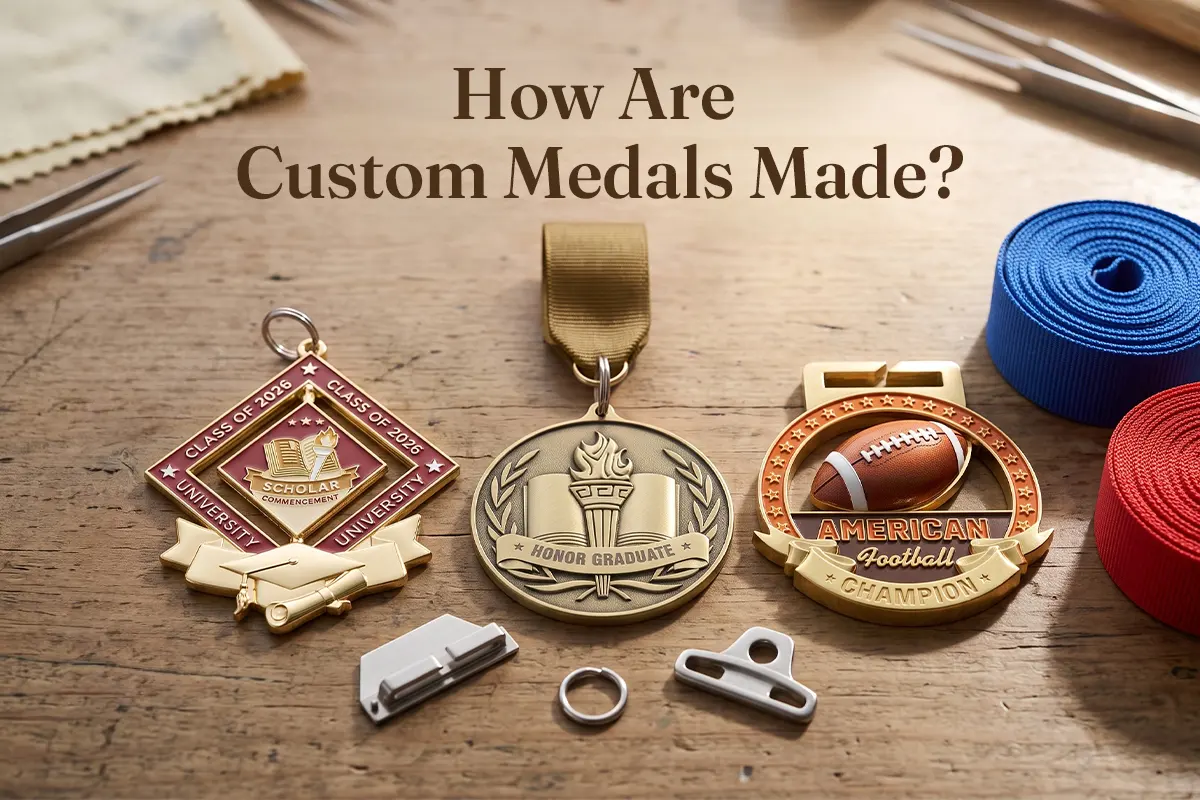
I. What are the five core steps in the production of standard medals?

Step 1: Vector Design & Medal Loop Setup
Every medal's production begins with the initial design and planning phase. A professional medal designer converts the client's vector drawings into 2D/3D production renderings that meet casting standards, accurately labeling Pantone color codes and electroplating materials. Most importantly, unlike custom pins or coins, medals require pre-planning of the top hanging-hole structure (Tab A-D) at this stage to ensure the hanging points match the medal's estimated weight and the webbing style. You can also refer to our guide on designing custom medals before submitting your vector files.
Step 2: Precision Mold Engraving & Body Casting
The mold determines the precision and level of detail of the casting. CNC engraving machines can process fine textures on high-hardness steel molds. Therefore, depending on different production requirements, this process can employ two different processing methods.
● Die Struck: Suitable for traditional brass or iron medals with clean lines and flat structures. It uses high pressure to emboss clear, crisp linework.
● Zinc Die Casting: Suitable for special-shaped, hollow, or 3D zinc alloy medals. Molten zinc alloy is injected into a closed mold under high pressure to solidify quickly and form the shape, as demonstrated in our zinc die casting process video.
● Die Struck: Suitable for traditional brass or iron medals with clean lines and flat structures. It uses high pressure to emboss clear, crisp linework.
● Zinc Die Casting: Suitable for special-shaped, hollow, or 3D zinc alloy medals. Molten zinc alloy is injected into a closed mold under high pressure to solidify quickly and form the shape, as demonstrated in our zinc die casting process video.
Step 3: Edge Trimming & Hand Mirror Polishing
After the medal blank is formed, punching equipment is used to remove burrs from the edges. If there are load-bearing components that require high-temperature welding, spot welding should be performed at this step. The craftsman then uses a polishing wheel or abrasive wheel to sand the edges and surface, creating a mirror-like finish and preparing it for subsequent surface treatments.
Step 4: Precision Color Filling & Surface Finishing
After polishing, the sequence of coloring and plating is determined by the specific medal finish:
● Soft Enamel: Follows a sequence of plating and polishing first, followed by color filling and baking. After the pigments solidify, they are slightly lower than the metal lines, creating a distinct three-dimensional, tactile texture.
● Hard Enamel: Follows a sequence of color filling and baking, followed by manual grinding to a smooth finish, and finally, overall plating. The surface is as smooth as a mirror, and the electroplated layer will not be worn away by subsequent processes.
● Pure metal electroplating and antique finish: For pure metal or vintage-style medals that do not require pigment filling, electroplating is performed directly, followed by chemical blackening and polishing of raised areas to create an antique finish. The contrast between the dark oxide layer in the recessed areas and the bright metal on the raised areas creates a calm and classic texture.
● Screen/UV Printing with Epoxy Coating: This technique is suitable for designs with gradient effects, photorealistic images, or small text. We first print the pattern directly onto the electroplated metal blank using screen printing or UV color printing, and then cover it with a layer of transparent epoxy resin to protect the printed pattern from wear.
● Soft Enamel: Follows a sequence of plating and polishing first, followed by color filling and baking. After the pigments solidify, they are slightly lower than the metal lines, creating a distinct three-dimensional, tactile texture.
● Hard Enamel: Follows a sequence of color filling and baking, followed by manual grinding to a smooth finish, and finally, overall plating. The surface is as smooth as a mirror, and the electroplated layer will not be worn away by subsequent processes.
● Pure metal electroplating and antique finish: For pure metal or vintage-style medals that do not require pigment filling, electroplating is performed directly, followed by chemical blackening and polishing of raised areas to create an antique finish. The contrast between the dark oxide layer in the recessed areas and the bright metal on the raised areas creates a calm and classic texture.
● Screen/UV Printing with Epoxy Coating: This technique is suitable for designs with gradient effects, photorealistic images, or small text. We first print the pattern directly onto the electroplated metal blank using screen printing or UV color printing, and then cover it with a layer of transparent epoxy resin to protect the printed pattern from wear.
Step 5: Final Ribbon Assembly & Quality Inspection
The final assembly uses a cold process to avoid high-temperature damage to the coating. Full-color thermal transfer webbing or high-density nylon webbing is used and secured to the medal's attachment loop with V-shaped stitching. Before shipment, we check each item for electroplating color and appearance, and we test the webbing's tensile strength.
II. Why does medal design require ergonomics?
The five manufacturing steps previously described also apply to custom coins and pins. However, because medals are designed to be worn, ergonomic medal design demands additional engineering consideration for the suspension mechanism.
1. Anti-tilt, suspension center of gravity balance and medal weight control
Unlike coins, medals need to be worn flat against the chest so that the front design is always visible. If the suspension point shifts or the center of gravity is unbalanced, the medal is prone to flipping, tilting, or even swinging wildly. In addition, controlling the weight of the medal is also a crucial aspect of the design for wearing comfort.
● Excessive Weight Hazards: It will not only significantly increase the burden and pressure on the wearer's cervical spine, but also cause injury to the collarbone due to excessive swinging; at the same time, the instantaneous impact force on the webbing seams and hanging buckles will double, making them very easy to break and fall off.
● Insufficient Weight Issues: If a medal is too light, it lacks the substantial feel of metal and fails to convey a premium look. When worn, it is easily flipped over by the wind, making it difficult to keep the front facing forward.
Therefore, during the vector design phase, precisely calculate the geometric center of the suspension hole based on the medal's overall profile and weight distribution.
● Excessive Weight Hazards: It will not only significantly increase the burden and pressure on the wearer's cervical spine, but also cause injury to the collarbone due to excessive swinging; at the same time, the instantaneous impact force on the webbing seams and hanging buckles will double, making them very easy to break and fall off.
● Insufficient Weight Issues: If a medal is too light, it lacks the substantial feel of metal and fails to convey a premium look. When worn, it is easily flipped over by the wind, making it difficult to keep the front facing forward.
Therefore, during the vector design phase, precisely calculate the geometric center of the suspension hole based on the medal's overall profile and weight distribution.
2. GS-JJ 4 Standard Hanging Hole/Tab Types (Tab A – Tab D) and Matching Guide
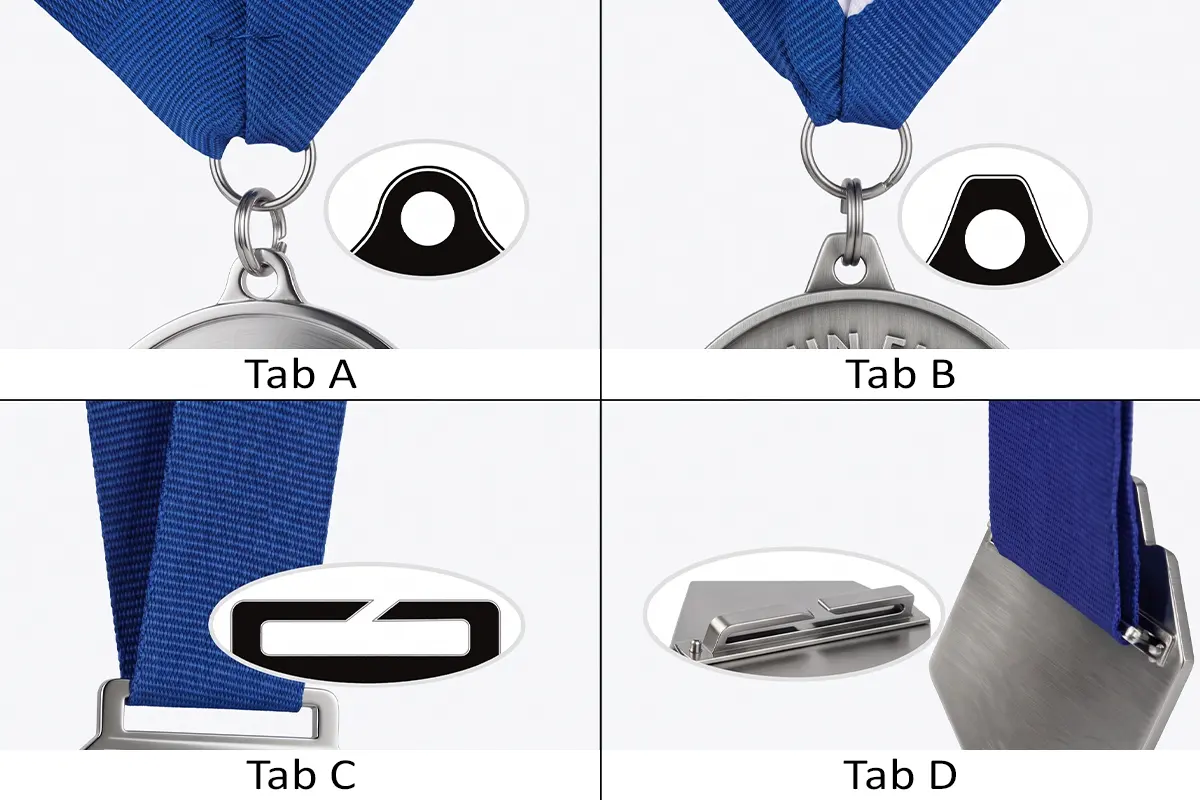
● Tab A (Oval Loop): The rounded shape is smooth and gives it a gentler appearance. Most use a loop to connect the hanging strap, and it works best for standard round medals and light to medium weights.
● Tab B (Pyramid Loop): Featuring a tapered, pyramidal profile that delivers a bold, three-dimensional look, the ribbon attaches via a connecting ring to provide stable vertical suspension — ideal for military/police commendations or classic event medals.
● Tab C (Rectangle Loop): The groove is made in a straight line, so the webbing can pass through directly without the need for a connecting ring. This design reduces webbing twisting and knotting, and distributes stress more evenly, making it suitable for pairing with large, heavy medals.
● Tab D (Back Slot Clip): The front of the medal presents a clean, seamless look with no visible suspension loop, as the attachment mechanism is concealed at the top of the reverse side. The ribbon threads directly through a flat slot on the back. This design balances aesthetics with stability—preventing the medal from flipping over when worn—making it ideal for high-end custom pieces and artistic commemorative medals.
● Tab B (Pyramid Loop): Featuring a tapered, pyramidal profile that delivers a bold, three-dimensional look, the ribbon attaches via a connecting ring to provide stable vertical suspension — ideal for military/police commendations or classic event medals.
● Tab C (Rectangle Loop): The groove is made in a straight line, so the webbing can pass through directly without the need for a connecting ring. This design reduces webbing twisting and knotting, and distributes stress more evenly, making it suitable for pairing with large, heavy medals.
● Tab D (Back Slot Clip): The front of the medal presents a clean, seamless look with no visible suspension loop, as the attachment mechanism is concealed at the top of the reverse side. The ribbon threads directly through a flat slot on the back. This design balances aesthetics with stability—preventing the medal from flipping over when worn—making it ideal for high-end custom pieces and artistic commemorative medals.
3. Wearing comfort and ribbon tensile strength
● Ribbon Material and Tensile Strength
Webbing produced via the thermal transfer process features vibrant colors and a smooth, soft texture that feels comfortable against the skin; it is ideal for printing intricate, detailed patterns. The tensile strength of the single-layer webbing ranges from 50 to 80 kilograms. High-density woven nylon straps are strong and resist wear and tearing. A single layer can reach over 100 kg in tensile strength, making it ideal for heavier medals.
● Stitching Technique and Load-Bearing Structure
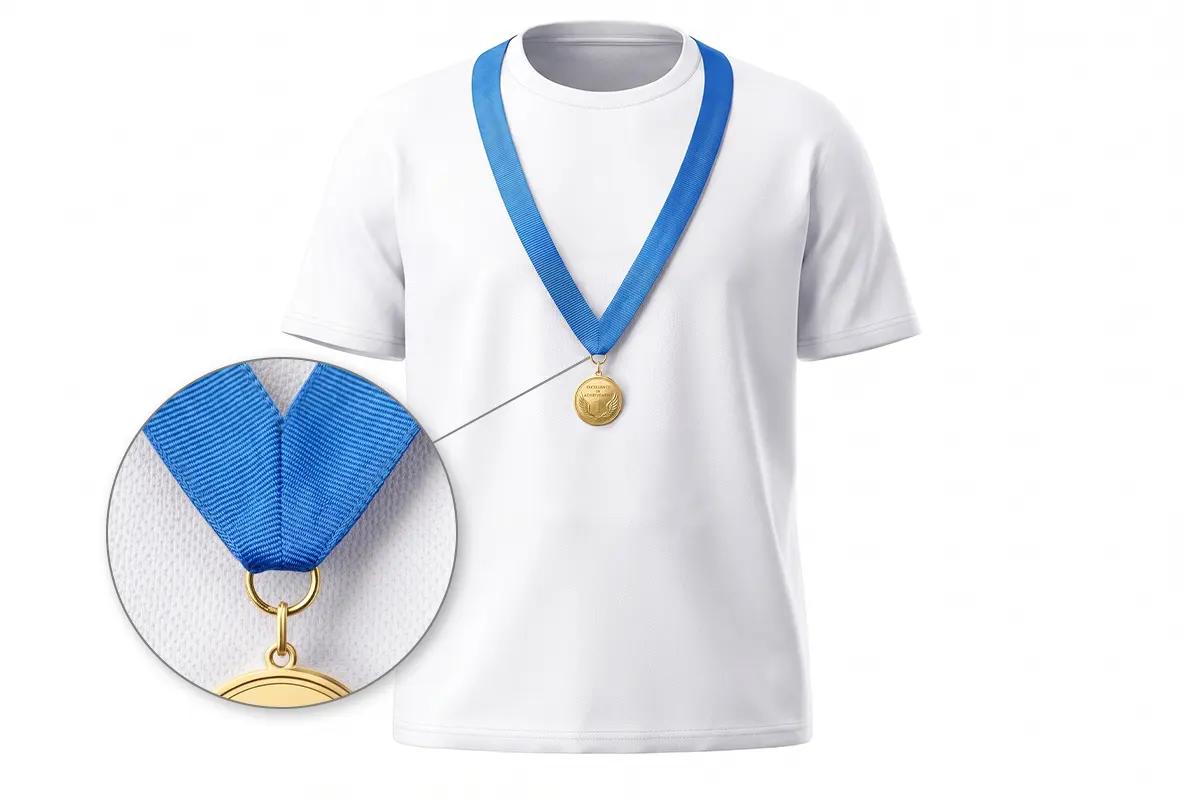
The GS-JJ medal strap features a V-shaped cross seam at the bottom, allowing it to hang smoothly across the chest when worn. Metal clips provide a secure hold, preventing it from falling off easily.
● Fasteners and Factory Tensile Testing
All connecting clasps undergo chamfering and polishing to ensure smooth edges free of burrs. Before leaving the factory, they undergo simulated tensile tests—including sustained heavy-load suspension and sudden impact tests—to guarantee reliability during marathon finishes or award ceremonies, ensuring no breakage or clasp detachment occurs.
Webbing produced via the thermal transfer process features vibrant colors and a smooth, soft texture that feels comfortable against the skin; it is ideal for printing intricate, detailed patterns. The tensile strength of the single-layer webbing ranges from 50 to 80 kilograms. High-density woven nylon straps are strong and resist wear and tearing. A single layer can reach over 100 kg in tensile strength, making it ideal for heavier medals.
● Stitching Technique and Load-Bearing Structure
The GS-JJ medal strap features a V-shaped cross seam at the bottom, allowing it to hang smoothly across the chest when worn. Metal clips provide a secure hold, preventing it from falling off easily.
● Fasteners and Factory Tensile Testing
All connecting clasps undergo chamfering and polishing to ensure smooth edges free of burrs. Before leaving the factory, they undergo simulated tensile tests—including sustained heavy-load suspension and sudden impact tests—to guarantee reliability during marathon finishes or award ceremonies, ensuring no breakage or clasp detachment occurs.
● Materials needed: Paper.
● Steps: After creating "star-shaped" (asterisk-like) creases on a square sheet of colored paper, collapse it into a double-layered triangular base; then, fold the left and right bottom corners of both the front and back layers upward along the center line and flatten them to form a symmetrical medal design; finally, cut two strips from another sheet of paper and glue them crosswise onto the back to serve as ribbons.
● Steps: After creating "star-shaped" (asterisk-like) creases on a square sheet of colored paper, collapse it into a double-layered triangular base; then, fold the left and right bottom corners of both the front and back layers upward along the center line and flatten them to form a symmetrical medal design; finally, cut two strips from another sheet of paper and glue them crosswise onto the back to serve as ribbons.
III. How to create custom interactive medals?
1. Spinning Medals
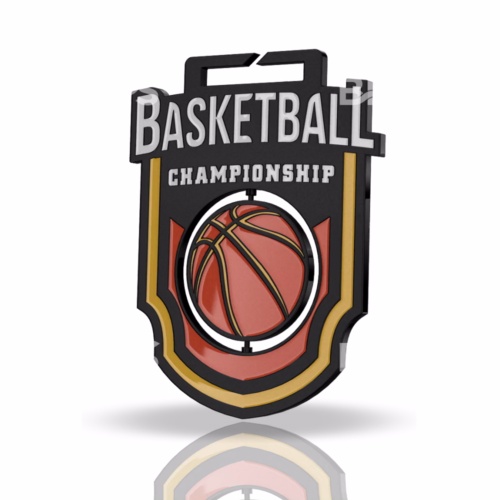
The outer ring and rotating inner core of the medal are die-cast separately and electroplated separately, and assembled with cold-pressed miniature bearings. This process protects the paint surface from scratches and allows for smooth 360-degree rotation.
2. Cut-out Medals
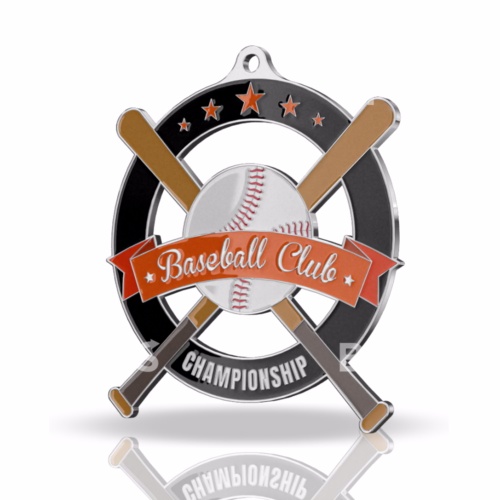
Using high-pressure zinc alloy die-casting technology combined with 3D multi-channel molds, you can create hollow three-dimensional letters on medals. By removing excess metal, large medals are much lighter, less burdensome to wear, and look more three-dimensional and layered.
3. Puzzle Medals
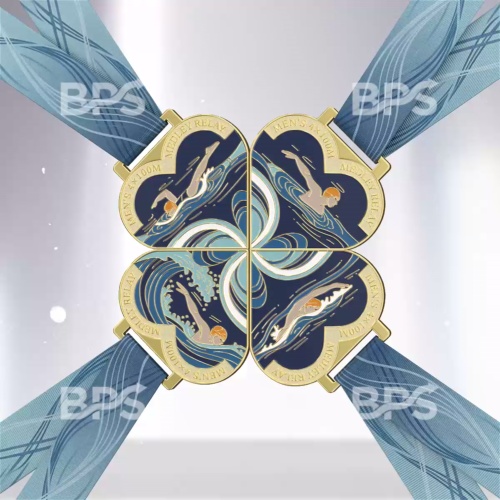
The medals are produced using high-precision molds, and the edges can be made with snap-fit structures or have built-in hidden strong magnets for splicing. Each piece functions as a complete standalone medal, while multiple pieces interlock seamlessly—making them ideal for team events and for fostering team cohesion.
4. Multi-Purpose Functionality
● Bottle Opener Medals
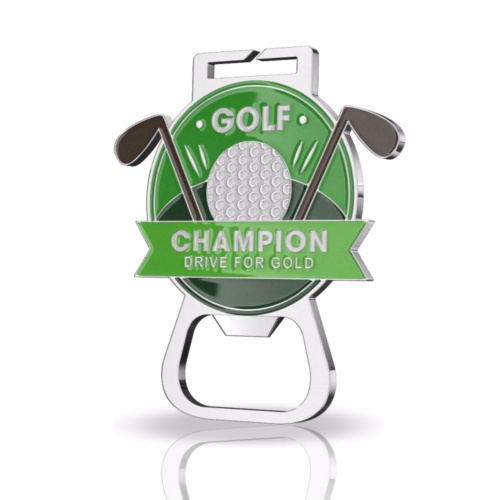
The bottle-opening lever mechanism is integrated directly into the base or outer rim of the medal. The opening section is thickened and hardened to resist wear, allowing athletes to use it to open bottles and celebrate after the race.
● Layered Standing Medals
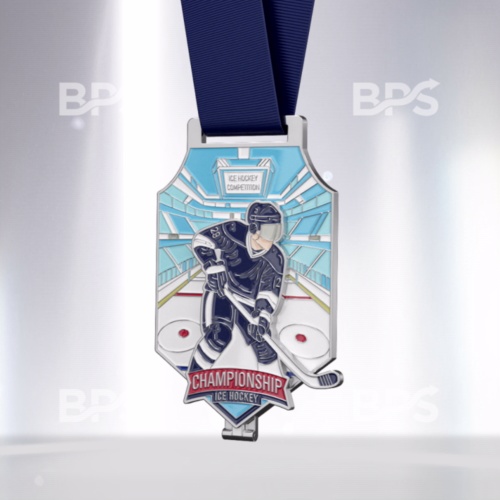
Equipped with a split-component damping hinge or a built-in folding kickstand, the angle can be freely adjusted, allowing the medal to stand securely on a desk as an elegant tabletop ornament.
IV. Conclusion
Now that you've mastered the process, ergonomics, and creative design behind custom medals, are you ready to create your own custom or interactive medals?As a professional manufacturer, GS-JJ has served over 300,000 customers worldwide and garnered more than 60,000 genuine positive reviews. We offer free design services, no minimum order quantity (No MOQ), and factory-direct pricing to turn your ideas into reality. Start your custom medal journey today!
Frequently Asked Questions
What is the difference between a digital proof and a physical proof when ordering custom medals? Is it worth paying extra for a physical sample?
How do laser-engraved medals differ from embossed (or die-struck) medals in terms of production time, minimum order quantities (MOQ), and cost?
Which suppliers offer options for medals made from recycled or sustainable materials?
Latest Blog Posts
Featuring Designs, News & Information About
Custom Challenge Coins
Custom Challenge Coins
Custom Medal Accessories and Packaging Guide?
Guide to Custom Medal Prices and Costs